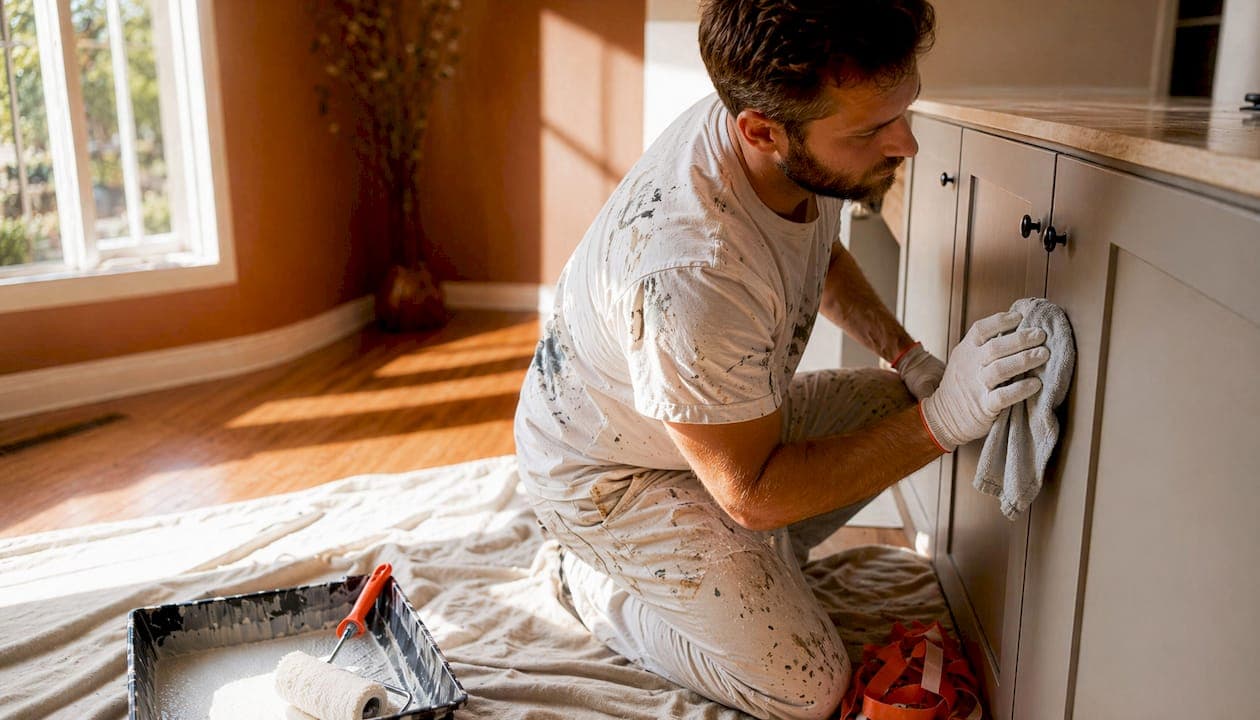
Professional post-painting cleanup is the final step that separates a flawless finish from a frustrating mess. Knowing how painters clean up after a job helps you set clear expectations with your contractor and handle minor touch-ups yourself with confidence. A thorough cleanup covers removing protective materials, wiping paint drips, HEPA vacuuming fine dust, and restoring every room to its original state. Trupainting LLC builds this full cleanup sequence into every residential and commercial project, because a beautiful paint job should never leave you with extra work.
How painters clean up after a painting job: the professional sequence
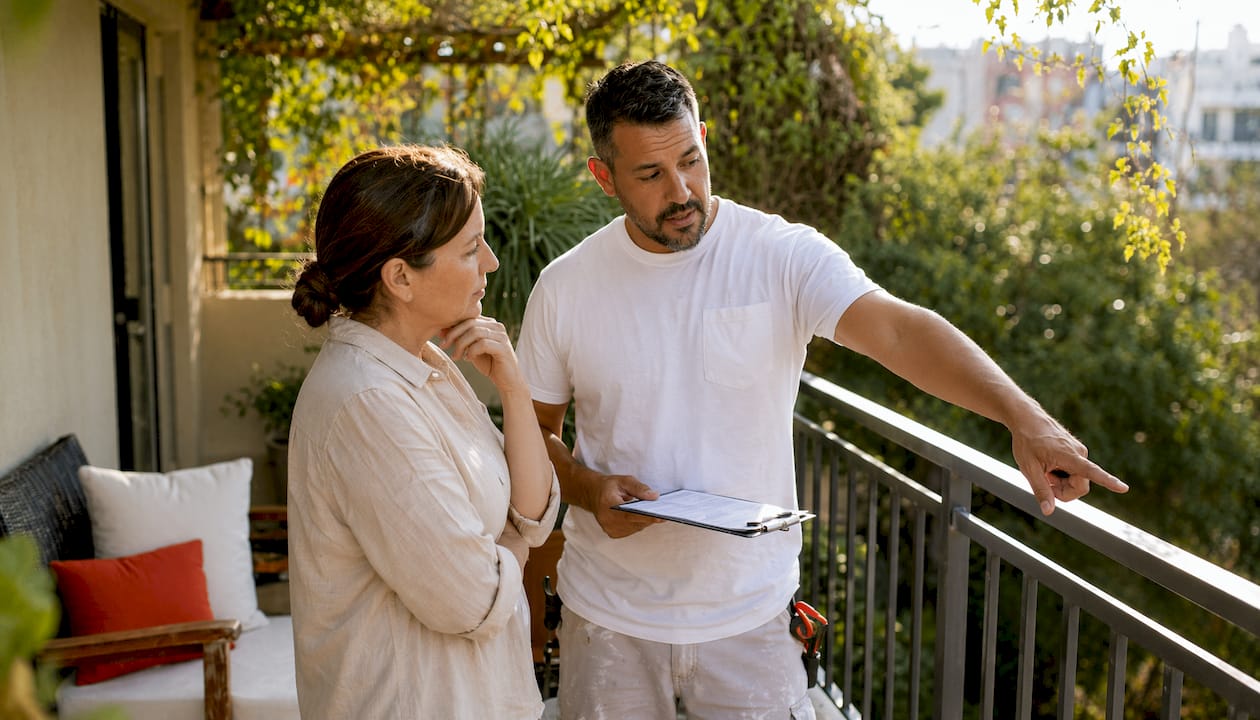
Professional painters include cleanup as part of their standard service, covering tape removal, protective sheeting, splatter cleaning, dust vacuuming, and furniture restoration. That scope matters because skipping any step can cause permanent damage to floors, trim, or freshly painted walls. The sequence pros follow is deliberate, and understanding it helps you verify the job was done right.
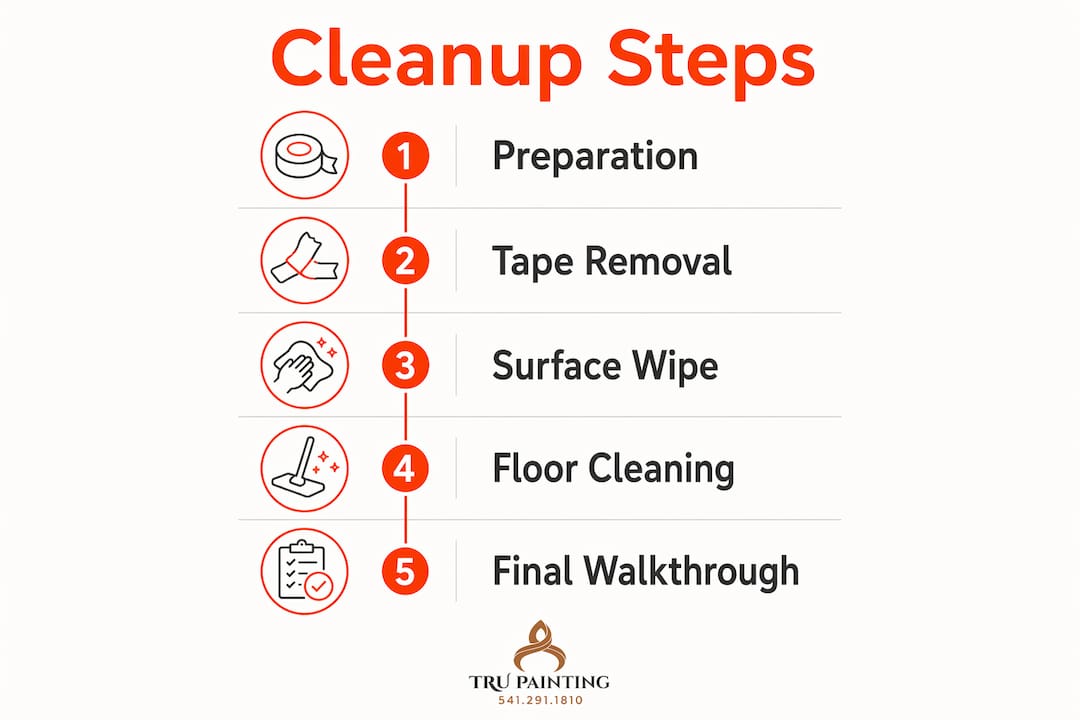
Here is the order professional painters use:
-
Open windows and doors first. Ventilating the room clears paint fumes and helps dust settle before any physical cleaning begins. This step protects both the crew and the fresh finish.
-
Remove tape while paint is slightly tacky. Removing tape too late causes peeling and ragged edges. Pulling it off while the paint is still slightly tacky produces a clean, sharp line with no touch-ups needed.
-
Fold and remove drop cloths carefully. Drop cloths get folded inward so dried paint chips stay contained. Shaking them out indoors scatters dust and debris across the floor you just protected.
-
Vacuum from ceiling down using a HEPA vacuum. Cleaning from ceiling down with a HEPA vacuum captures fine paint dust that ordinary vacuums push back into the air. Baseboards, window sills, and door frames get vacuumed before the floor is touched.
-
Wipe surfaces with microfiber cloths. Lightly dampened microfiber cloths pick up residual dust from trim, switch plates, and windowsills without scratching the new finish.
-
Address paint drips and splatters. Wet drips come off with a damp rag. Dried paint spots respond best to softening with a damp cloth first, then gentle removal with a plastic scraper.
-
Clean floors last. Sweeping or mopping floors before the walls and ceiling are done guarantees you will clean them twice. Floors go last, every time.
-
Return furniture and hardware. Painters move furniture back to its original position, reinstall outlet covers and switch plates, and rehang any fixtures removed before painting.
Pro Tip: Ask your painter to walk through the finished room with you before they pack up. A quick walkthrough catches missed drips or dusty surfaces while the crew is still on site.
How can homeowners safely handle minor paint cleanup?
Homeowners often need to manage small spills or dust after a DIY project or after a contractor finishes a room. The key rule is speed for wet paint and patience for dry paint.
-
Wet spills: act within 10 minutes. Wet paint spills clean up with a damp rag and mild dish soap. Waiting longer lets the paint bond to the surface, turning a 30-second fix into a 30-minute problem.
-
Dry paint spots: soften before scraping. Press a warm, damp cloth against the dried spot for two to three minutes. Once softened, use a plastic scraper, never a metal one, to lift the paint without gouging the surface.
-
General wall cleaning: mild soap and warm water. A solution of mild dish soap and warm water handles most smudges and dust on painted walls. Wring the cloth nearly dry before touching the wall.
-
Delicate surfaces need extra care. Wood floors and laminate respond well to a barely damp microfiber cloth. Glass gets a standard glass cleaner applied to the cloth first, not sprayed directly onto the surface near fresh paint.
-
Avoid abrasive tools entirely. Scrub pads, steel wool, and stiff brushes scratch fresh paint and dull the sheen. Microfiber is the right tool for nearly every post-painting surface.
Pro Tip: For latex paint on hardwood floors, a small amount of rubbing alcohol on a cotton ball lifts dried spots without damaging the floor finish. Test a hidden area first.
Effective cleanup begins before painting with proper preparation and dust containment. Homeowners who move furniture, seal doorways, and cover vents before the project starts face far less cleanup afterward.
What mistakes should you avoid during post-painting cleanup?
Most cleanup problems trace back to either bad timing or the wrong tools. Avoiding these errors saves you from re-cleaning or, worse, damaging a fresh finish.
-
Cleaning floors before walls and ceilings are done. Dust from upper surfaces falls and settles on the floor again. Cleaning too early means doing the job twice and still missing fine particles.
-
Removing painter's tape after the paint fully dries. Bone-dry paint bonds to the tape. Pulling it off at that stage tears the paint edge and creates a ragged line that requires touch-up work.
-
Using too much liquid on walls. Excess moisture soaks into drywall and can cause bubbling or peeling, especially on walls painted within the last 24 hours. Wring cloths thoroughly before wiping.
-
Skipping preparation before the project starts. Sealing rooms and moving furniture ahead of painting drastically reduces the amount of dust that spreads through the home. Skipping this step multiplies cleanup time significantly.
-
Using random rags or paper towels. Rough or loosely woven cloths leave lint and can scratch fresh paint. High-quality microfiber cloths are the correct tool for post-painting wipe-downs.
-
Rushing the curing process. Paint dries to the touch in one to four hours, but full curing takes days to weeks depending on the product. Placing furniture against walls or scrubbing surfaces before full cure damages the finish.
The pattern behind most of these mistakes is impatience. Slowing down and following the correct sequence produces a cleaner result with less effort.
What finishing touches make a room look truly professional?
The final 10% of cleanup is what separates a good result from a great one. These details are easy to overlook but make a real difference when you step back and look at the room.
Spots that get missed most often
Window sills, door tops, radiators, and the tops of baseboards collect paint dust that standard vacuuming misses. Run a lightly dampened microfiber cloth along each of these surfaces after the main cleanup is done. Light switch plates and outlet covers deserve the same treatment since they sit at eye level and show dust clearly.
Handling paint dust that resettles
Fine paint dust continues to settle for 24 to 48 hours after a project ends. A second light wipe with a dry microfiber cloth the following day picks up this residual layer. Microfiber cloths with light moisture outperform paper towels and standard rags because they trap particles rather than pushing them around.
When to bring in professional cleaners
Large projects covering multiple rooms, or jobs involving significant sanding and drywall work, generate dust volumes that go beyond standard post-painting cleanup. A professional cleaning service with HEPA equipment handles this level of contamination more thoroughly than a standard mop and bucket.
Timing for moving furniture and hanging art
| Task | Recommended wait time |
|---|---|
| Light furniture placement | 24 hours after final coat |
| Heavy furniture against walls | 7 days minimum |
| Hanging framed art | 48–72 hours |
| Washing painted walls | 30 days for full cure |
| Placing rugs on painted floors | 7 days minimum |
These timelines apply to standard latex paint. Oil-based paints and specialty coatings require longer cure times, so confirm with your painter before moving anything back.
Key Takeaways
Thorough post-painting cleanup requires the right sequence, the right tools, and enough patience to let paint cure before scrubbing or repositioning furniture.
| Point | Details |
|---|---|
| Sequence matters | Clean from ceiling down and save floors for last to avoid dust resettling. |
| Tape timing is critical | Remove painter's tape while paint is slightly tacky to get clean edges without peeling. |
| Microfiber over everything | Use lightly dampened microfiber cloths for all surface wiping to protect the fresh finish. |
| Act fast on wet spills | Clean wet paint within 10 minutes using a damp rag and mild dish soap. |
| Patience protects the finish | Wait at least 30 days before washing painted walls and 7 days before placing heavy furniture. |
What I've learned about cleanup that most articles skip
After years of watching painting projects wrap up, the thing that surprises homeowners most is how much cleanup depends on what happened before the first brush stroke. Painters who seal doorways, cover HVAC vents, and move furniture completely out of the room spend a fraction of the time cleaning up compared to those who skip those steps. The mess does not appear at the end. It gets created at the beginning.
The second thing I have seen repeatedly is homeowners over-cleaning fresh paint. They spot a small imperfection on day two and scrub it. That scrubbing damages the sheen and creates a dull patch that is far more visible than the original mark. Many paint imperfections diminish after full curing. The right move is to wait, not to scrub.
The third lesson is about communication. Before any painter leaves your home, walk the room together and agree on what is done and what needs attention. That conversation takes five minutes and eliminates 90% of the follow-up calls and disputes I have seen. A good contractor welcomes that walkthrough. It is a sign they stand behind their work.
Trupainting LLC crews do exactly this on every job. The walkthrough is not optional. It is part of the process.
— Kyle
Trupainting LLC's approach to post-job cleanup
Every project Trupainting LLC completes includes a full post-job cleanup as part of the service agreement. That means tape removal, drop cloth collection, HEPA vacuuming, surface wiping, and full furniture restoration before the crew leaves your home or business.

Trupainting LLC serves Lake County and Central Florida with residential interior painting and commercial interior services built around thorough preparation, premium products, and a clean finish every time. Our three-tier service packages let you choose the level of protection that fits your project and budget. If you want a painting crew that leaves your space cleaner than they found it, we would love to talk.
FAQ
Does cleanup come standard with professional painting services?
Professional painters include cleanup as part of standard services, but verifying the scope with your contractor before the project starts is always a good idea.
When is the safest time to remove painter's tape?
Remove painter's tape while the paint is still slightly tacky, not fully dry. Waiting until the paint is bone dry causes peeling and requires touch-up work along the edges.
What is the best tool for wiping down surfaces after painting?
A lightly dampened microfiber cloth is the best tool for post-painting surface cleanup. It traps dust particles instead of spreading them and does not scratch fresh paint.
How long should I wait before washing painted walls?
Wait at least 30 days before washing painted walls with soap and water. Full curing takes time, and cleaning too early damages the finish and dulls the sheen.
What should I do if I find a dried paint drip on my floor?
Soften the dried paint spot with a warm, damp cloth for two to three minutes, then lift it gently with a plastic scraper. Avoid metal scrapers, which scratch and gouge flooring surfaces.