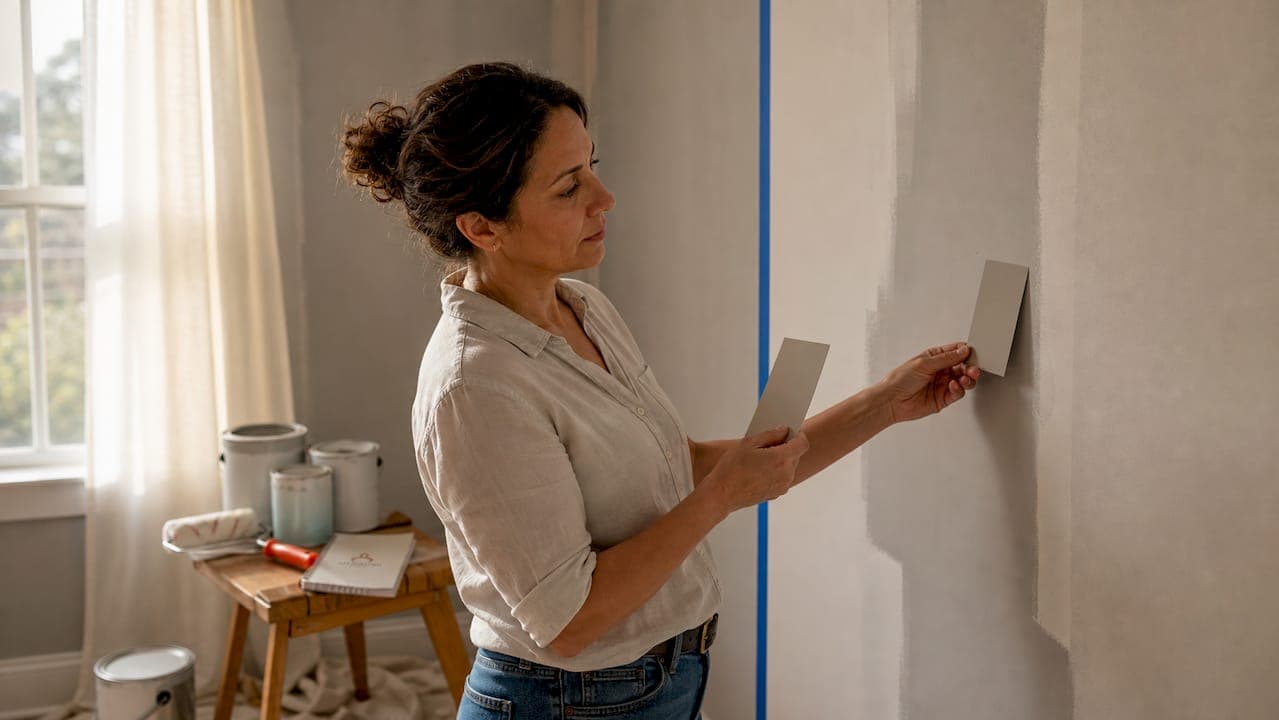
The finish you choose for your interior walls does more than affect color. It determines how well your walls hold up to scrubbing, how much light they reflect, and whether every drywall imperfection becomes visible under sunlight. Knowing how to pick interior paint finish type correctly saves you from costly repaints and daily frustration. The industry term for this decision is "sheen selection," and it covers five main finish categories: flat, eggshell, satin, semi-gloss, and high-gloss. Each one serves a different purpose, and choosing the wrong one for a room is one of the most common mistakes homeowners make.
What are the common interior paint finish types?
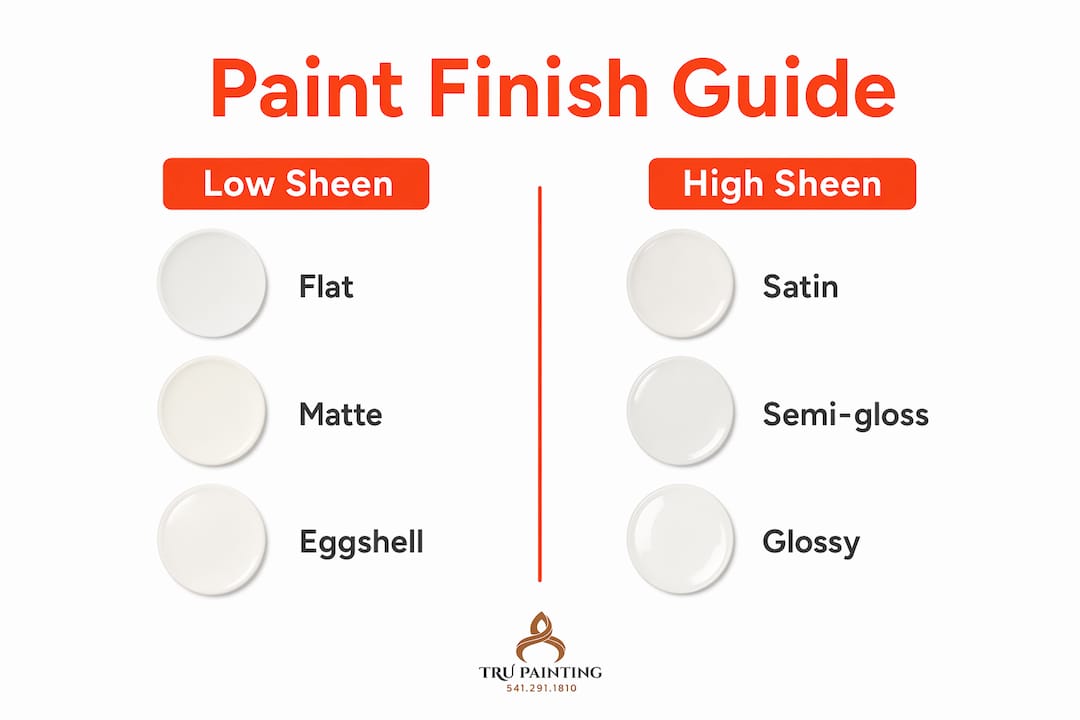
Paint finish types are defined by their sheen level, which is the amount of light a dried paint surface reflects. The higher the sheen, the more durable and washable the finish. The lower the sheen, the better it hides surface flaws.
Flat and matte finishes reflect almost no light. They give walls a soft, velvety look and are the best option for hiding drywall seams, patches, and texture variations. The trade-off is that flat paint scuffs easily and cannot handle repeated scrubbing without wearing down.
Eggshell finish sits just above flat on the sheen scale. It has a faint glow similar to the surface of an egg. Eggshell hides moderate drywall flaws with reasonable cleanability, making it one of the most widely used finishes in U.S. homes. That balance between appearance and practicality explains its popularity in living rooms and bedrooms.
Satin finish reflects more light than eggshell and offers noticeably better durability. It wipes clean without losing its sheen, which makes it a go-to for high-traffic areas like hallways and kids' rooms. Satin is the finish most professional painters recommend when homeowners want both good looks and long-term performance.
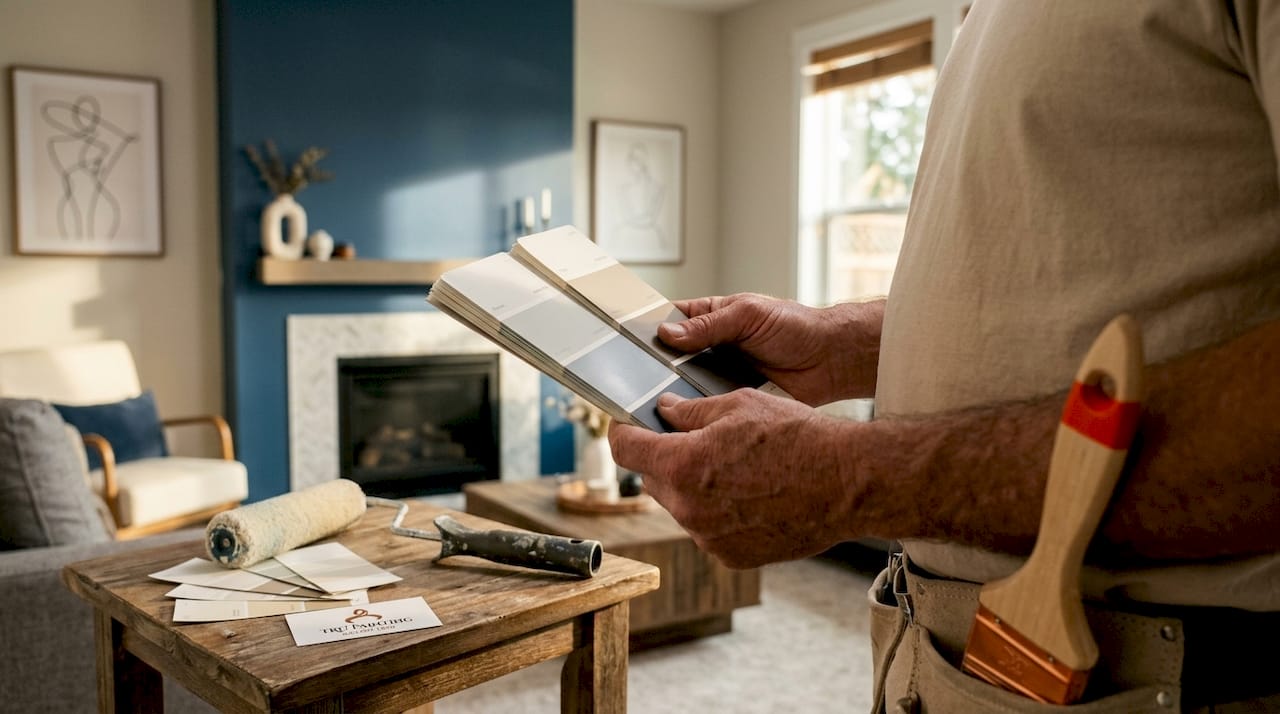
Semi-gloss and high-gloss finishes are the most durable and the most reflective. They clean up easily, resist moisture, and hold their appearance under heavy use. They also reveal every surface imperfection, so preparation matters more with these finishes than with any other.
| Finish | Sheen level | Best use | Cleanability |
|---|---|---|---|
| Flat/Matte | None | Ceilings, low-traffic walls | Low |
| Eggshell | Very low | Bedrooms, living rooms | Moderate |
| Satin | Low-medium | Hallways, kids' rooms | Good |
| Semi-gloss | Medium-high | Trim, kitchens, bathrooms | Very good |
| High-gloss | High | Cabinets, doors, accents | Excellent |
Pro Tip: Always buy a sample pot and test your chosen finish on the actual wall before committing. Lighting conditions in a store are nothing like the lighting in your home.
How to pick the right finish based on room function
Room function is the single most reliable guide for sheen selection. A bedroom and a bathroom have completely different demands, and the finish that works beautifully in one will fail in the other.
-
Bedrooms and living rooms. Eggshell is the standard choice. These rooms see moderate foot traffic and rarely need aggressive cleaning. Eggshell's soft sheen looks polished without drawing attention to minor wall texture.
-
Kitchens. Satin or semi-gloss is the right call. Kitchens generate grease, steam, and splatter. Satin and semi-gloss finishes resist moisture and withstand scrubbing far better than flat paints, which fail prematurely in wet environments.
-
Bathrooms. Semi-gloss is the professional standard. Humidity is constant in bathrooms, and flat or eggshell finishes absorb moisture over time, leading to peeling and mildew. Semi-gloss repels water and cleans with a damp cloth.
-
Hallways and entryways. Satin is the best fit. These spaces take daily abuse from hands, bags, and furniture. A quality water-based paint paired with a satin sheen performs best for durability and resists thinning over years of use.
-
Kids' rooms. Satin or semi-gloss. Crayon marks, sticky hands, and general chaos require a finish that can be wiped down repeatedly without fading or scuffing.
-
Home offices and dining rooms. Eggshell works well here. These rooms have moderate traffic and benefit from the warmer, less reflective look that eggshell provides.
Pro Tip: Never use flat paint in a kitchen or bathroom, even if you love the look. Moisture will cause it to peel within months, and you will be repainting far sooner than planned.
How does sheen affect wall imperfections?
The relationship between sheen and surface visibility is one of the most misunderstood aspects of paint selection. Flatter finishes scatter light to hide imperfections, while shinier finishes reflect light in a way that highlights every bump, seam, and roller mark.
Finishes rank from best to worst at hiding wall imperfections in this order: flat, matte, eggshell, satin, semi-gloss, and high-gloss reveals the most texture. This ranking is not just about aesthetics. It has real consequences for how much prep work you need before painting.
Choosing a glossy finish without proper surface preparation is the most common reason homeowners are disappointed with their results. Every drywall seam, patch, and sanding mark becomes a spotlight under angled light. The finish did not fail. The prep did.
Surface preparation for semi-gloss and high-gloss finishes includes sanding all patches smooth, priming bare drywall, and filling any nail holes or cracks completely. Skipping these steps with a flat finish is forgivable. Skipping them with a high-gloss finish produces results that look worse than unpainted drywall.
- Flat and matte: minimal prep required, very forgiving on older walls
- Eggshell: light sanding and priming on patches is sufficient
- Satin: all patches must be feathered and sanded flush
- Semi-gloss: full skim coat recommended on walls with significant texture variation
- High-gloss: meticulous surface prep required to avoid visible brush strokes and roller marks
Pro Tip: If your walls have significant texture or older drywall repairs, choose eggshell over satin. You will get a cleaner final result without the extra prep time that satin demands.
What finish works best for ceilings, trim, and cabinets?
Non-wall surfaces have their own finish rules, and they differ significantly from wall recommendations.
Ceilings require flat paint exclusively. The professional standard for ceilings is flat paint because any sheen above flat reflects light and highlights imperfections unflatteringly. Using leftover wall paint on a ceiling is a common mistake. Even eggshell on a ceiling will reveal every joint and seam under overhead lighting.
Trim, doors, and baseboards perform best with semi-gloss. Semi-gloss holds sheen longer and resists scuffs better than lower-sheen options. Trim takes constant contact from hands, feet, and furniture, so durability matters more here than anywhere else on the wall surface.
Cabinets are the one place where high-gloss earns its place in a home. High-gloss finishes on cabinets are easy to wipe down, resist grease, and give kitchens a clean, finished look. Trupainting LLC's cabinet refinishing service uses premium products specifically formulated for cabinet surfaces, which hold up far better than standard wall paint applied to cabinetry.
| Surface | Recommended finish | Why |
|---|---|---|
| Ceilings | Flat | Hides imperfections, no glare |
| Walls (low traffic) | Eggshell | Soft look, moderate cleanability |
| Walls (high traffic) | Satin | Durable, wipeable |
| Trim and doors | Semi-gloss | Scuff-resistant, easy to clean |
| Cabinets | High-gloss | Grease-resistant, durable |
Pro Tip: Invest in a premium-quality semi-gloss for trim rather than a budget option. Premium semi-gloss holds its sheen through years of cleaning and touch-ups far better than entry-level products.
Key Takeaways
The best interior paint finish matches the room's function, traffic level, and wall condition. Choosing sheen based on looks alone leads to finishes that either fail under cleaning or reveal every surface flaw.
| Point | Details |
|---|---|
| Match finish to room function | Use eggshell for bedrooms, satin for hallways, and semi-gloss for kitchens and bathrooms. |
| Flat paint belongs on ceilings | Any sheen above flat reflects light and makes ceiling imperfections visible. |
| Higher sheen requires more prep | Semi-gloss and high-gloss finishes reveal every surface flaw if walls are not properly prepared. |
| Trim needs semi-gloss | Semi-gloss resists scuffs and cleans easily, making it the right choice for doors and baseboards. |
| Sheen is a functional choice | Cleanability, durability, and imperfection hiding all vary significantly across finish types. |
What I've learned from years of watching homeowners choose the wrong sheen
The most common mistake I see is homeowners choosing a finish based on how it looks on a color chip in a store. That chip is small, lit by fluorescent light, and tells you almost nothing about how the finish will behave on a full wall in your home.
The second mistake is treating sheen as purely decorative. Sheen is a functional decision first. A beautiful flat finish in a bathroom will peel within a season. A high-gloss finish on walls with older drywall repairs will make every patch look like a crater. The finish has to match what the room actually does every day.
What I tell homeowners is this: start with the room's job, then work backward to the finish. If the room gets wet, choose semi-gloss. If it gets dirty hands, choose satin. If it mostly gets looked at, choose eggshell. Aesthetics follow function, not the other way around.
The one area where I see even experienced painters make errors is ceilings. Using wall paint leftovers on a ceiling feels practical, but it creates a visible sheen difference that becomes obvious the moment sunlight hits it. Flat ceiling paint is not optional. It is the only finish that makes a ceiling disappear the way it should.
For complex projects, especially rooms with significant wall damage or surfaces that need multiple finish types, a professional consultation saves time and money. Getting the sheen wrong means repainting, and repainting costs more than getting it right the first time.
— Kyle
Trupainting LLC can help you get the finish right
Choosing the right finish for every surface in your home is straightforward once you know the rules. Applying it flawlessly is a different skill entirely.

Trupainting LLC specializes in residential interior painting for homeowners across Lake County and Central Florida. We help you select the right finish for every room and surface, then apply it with the preparation and craftsmanship that makes it last. Our three-tier service packages let you choose the level of investment that fits your home and budget. You can also browse our painting packages to find the right fit before scheduling a consultation.
FAQ
What is the best interior paint finish for most rooms?
Eggshell is the best all-around finish for most living spaces because it balances a soft appearance with moderate cleanability. Satin is the better choice for rooms that see heavy daily use.
What is satin finish paint used for?
Satin finish paint is used in high-traffic areas like hallways, kids' rooms, and family rooms. It resists scrubbing and moisture better than eggshell without the high reflectivity of semi-gloss.
Can I use the same paint finish on walls and ceilings?
No. Ceilings require flat paint exclusively. Using eggshell or satin on a ceiling reflects light and makes joints and imperfections clearly visible.
What is the difference between matte vs glossy paint?
Matte paint scatters light to hide surface flaws but cannot handle repeated scrubbing. Glossy paint reflects light, cleans easily, and resists moisture, but reveals every surface imperfection under angled lighting.
Do I need to prepare walls differently for higher-sheen finishes?
Yes. Semi-gloss and high-gloss finishes require thorough sanding, priming, and patching before application. Any surface flaw left unaddressed will be visible in the finished result.