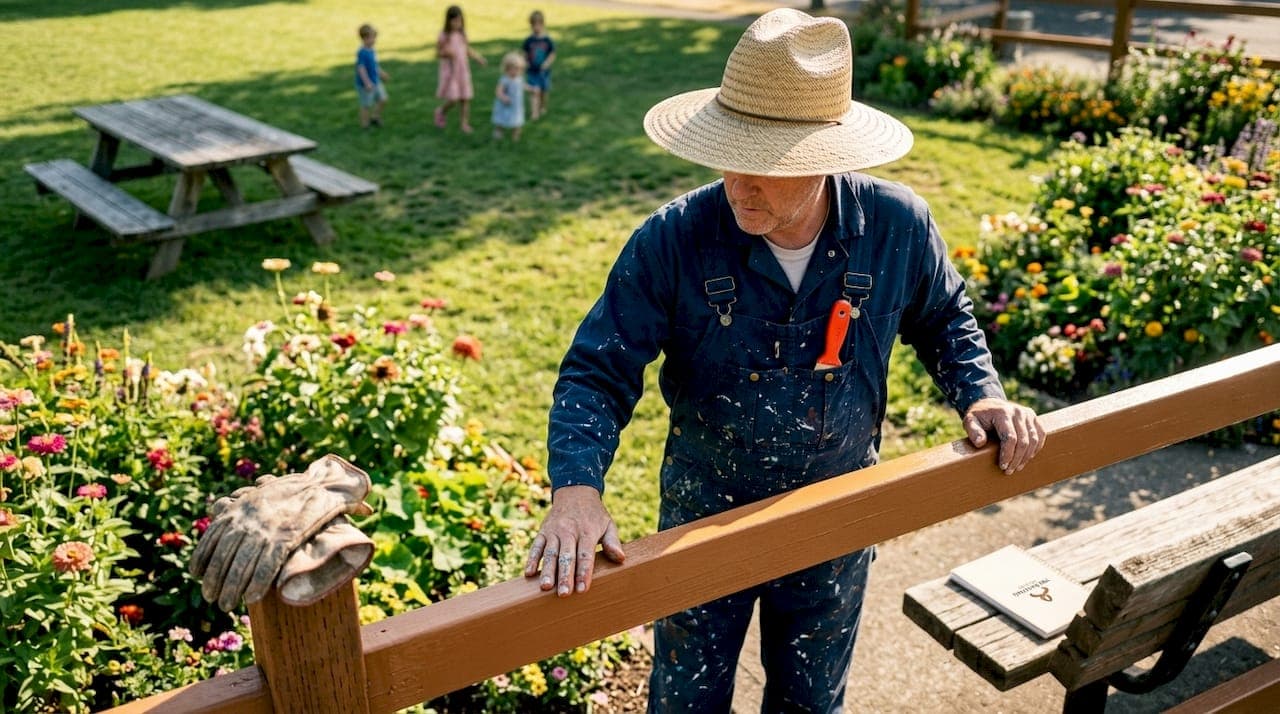
Long-term painted surface protection is defined as the combination of proper surface preparation, quality coatings, and scheduled maintenance that keeps paint bonded, vibrant, and intact for years. The industry term for this practice is "paint preservation," and it covers everything from the primer you choose to how often you clean your walls. Professional-grade paints with 100% acrylic binders deliver lifespans of 7–10 years compared to 3–5 years for cheaper vinyl-acrylic blends. That gap comes almost entirely from preparation and material quality, not luck. Trupainting LLC builds every project around these same principles, because a finish that lasts is the only finish worth delivering.
What preparation steps protect painted surfaces long term?
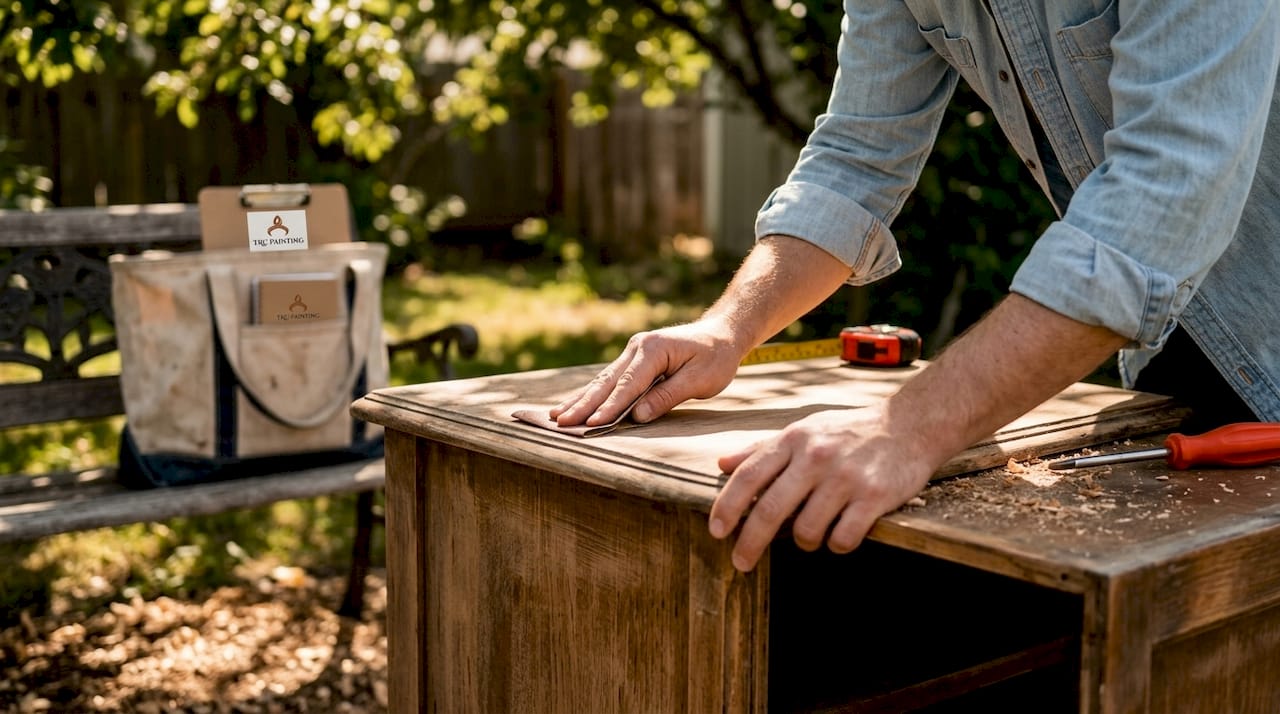
Surface preparation is the single biggest factor in paint durability. Paint bonds to the substrate, not to dust, grease, or old contaminants sitting on top of it. Skip prep, and even the most expensive paint will peel within a season.
Here are the preparation steps that make the biggest difference:
- Clean the surface thoroughly. Remove grease, dirt, mold, and chalky residue before anything else. A clean surface gives the primer a solid foundation to grip.
- Sand for mechanical adhesion. Sanding creates microscopic grooves that lock the primer and paint in place. Smooth, glossy surfaces need sanding most.
- Apply the right primer. Primers seal porous surfaces, block stains, and improve topcoat adhesion. Skipping primer on bare wood or drywall is one of the most common homeowner mistakes.
- Manage moisture before you paint. Painting over damp surfaces traps moisture under the film, which causes blistering and peeling. Check moisture levels with a meter on wood and concrete before you start.
- Allow full curing time. Newly painted surfaces need 24–48 hours of protection from rain and heavy contaminants after application. Rushing this step leads to water spotting and chemical streaking that are nearly impossible to fix cleanly.
Pro Tip: Avoid high-pressure washing for at least 2–3 months after painting exterior surfaces. The paint film is still hardening during that window, and pressure washing can lift edges and create entry points for moisture.
Good prep takes more time than the painting itself. That patience pays off in years of extra life on every surface.
Which protective coatings best safeguard painted surfaces?
The right protective coating acts as a shield between your paint and the elements. Choosing the wrong one, or skipping it entirely, leaves your finish exposed to UV rays, moisture, and daily abrasion.
Clear coats and polyurethane
Clear coats add a transparent protective layer over paint without changing its color. Polyurethane is the most common choice for wood surfaces, offering excellent scratch and moisture resistance. Polyurethane paint protection films last 5–10 years, with premium versions backed by 7–10 year warranties covering yellowing, cracking, and delamination. That warranty coverage tells you a lot about how seriously manufacturers stand behind these products.
Ceramic coatings
Ceramic coatings provide strong UV and chemical resistance for 2–7 years but do not absorb physical impact. They excel at repelling water, oil, and environmental contaminants on exterior walls and specialty surfaces. Think of ceramic as chemical armor, not physical armor.
Breathable sealers
Breathable barriers repel water and dirt while allowing moisture vapor to escape from the substrate. Non-breathable sealers trap moisture inside the wall, building internal pressure that eventually causes blistering and peeling. For exterior masonry, stucco, and wood siding, breathable sealers are the correct choice every time.
Wax-based finishes
Wax provides a softer, renewable layer of protection for interior surfaces and furniture. It buffs out easily and adds a warm sheen, but it requires more frequent reapplication than polyurethane or ceramic options.
| Coating type | Best for | Lifespan | Key limitation |
|---|---|---|---|
| Polyurethane film | Wood, cabinets, specialty surfaces | 5–10 years | Requires professional application |
| Ceramic coating | Exterior walls, metal | 2–7 years | No impact resistance |
| Breathable sealer | Masonry, stucco, wood siding | 3–5 years | Needs reapplication |
| Wax finish | Interior furniture, trim | 1–2 years | Frequent upkeep needed |
Pro Tip: For cabinet refinishing and high-traffic interior surfaces, polyurethane topcoats outperform wax by a wide margin. Apply two thin coats rather than one thick coat to avoid bubbling and uneven sheen.
How do environment and maintenance routines extend paint life?
Controlling the environment around your painted surfaces is just as important as the coating you apply. Paint films expand and contract with temperature swings, absorb moisture in humid conditions, and fade under direct UV exposure.
Follow this maintenance routine to keep finishes looking their best:
- Control indoor humidity and temperature. Stable indoor conditions reduce thermal stress on paint films, preventing cracking and brittleness. Keep humidity between 30–50% and avoid placing heat sources directly against painted walls.
- Clean walls gently and on schedule. Wait 14 days after painting before washing walls. Use a soft microfiber cloth and a mild cleaner. Harsh chemicals and abrasive scrubbers dull the finish and remove the topcoat layer over time.
- Inspect exterior surfaces twice a year. Bi-annual inspections catch early signs of cracks, peeling, and caulking deterioration before they become expensive repairs. Schedule one inspection in spring and one in fall.
- Manage gutters and water runoff. Clogged gutters cause water overflow that saturates wood siding and fascia boards, leading to rot and paint failure. Clean gutters at least twice a year and extend downspouts 3–4 feet from the foundation.
- Trim vegetation away from exterior walls. Shrubs and vines hold moisture against painted surfaces and physically abrade the finish. Keep plants at least 12 inches from any painted wall.
- Touch up chips and cracks promptly. Small chips expose bare substrate to moisture. A quick touch-up with matching paint stops moisture intrusion before it spreads under the surrounding film.
Pro Tip: Use microfiber cloths for cleaning painted surfaces instead of sponges or paper towels. Microfiber lifts dirt without creating the micro-abrasions that dull a finish over hundreds of cleaning cycles.
What are the common challenges when protecting painted surfaces?
Even well-prepared surfaces run into problems. Knowing what causes each issue helps you fix it fast and avoid repeating it.
- Peeling paint. The most common cause is moisture trapped beneath the film, either from painting over a damp surface or from a non-breathable sealer blocking vapor escape. The fix is to remove the peeling section, address the moisture source, re-prime, and repaint.
- Surfactant leaching. This appears as waxy, streaky residue on fresh exterior paint, especially after rain. It happens when paint dries too quickly in humid conditions or when ventilation is poor. The streaks are water-soluble and wash off, but preventing them requires proper drying conditions from the start.
- Fading and UV damage. Direct sunlight degrades pigments over time, especially on south-facing and west-facing walls. Paints with higher pigment loads and UV-resistant binders fade more slowly. Ceramic coatings add another layer of UV defense on top of the paint film.
- Water spots on fresh paint. Fresh paint needs 24–48 hours before it can handle rain or heavy moisture. Water spots that form during this window often cannot be blended out and require a full recoat of the affected area.
- Paint brittleness in extreme climates. Regions with wide temperature swings put extra stress on paint films. 100% acrylic paints flex with the substrate better than alkyd or vinyl-acrylic blends, making them the right choice for Central Florida's heat and humidity cycles.
- Knowing when to repaint vs. touch up. Spot repairs work when damage covers less than 10–15% of a surface. Widespread fading, cracking across large sections, or adhesion failure across an entire wall signals it is time for a full repaint.
What I've learned about paint longevity after years in the field
After years of working on painted surfaces across Central Florida, one pattern stands out clearly. Homeowners who invest in preparation almost never call back with peeling or adhesion problems. Homeowners who skip prep call back within two years, every time.
The second thing I've seen consistently is that people underestimate curing time. Paint looks dry in a few hours. It is not actually hard and fully bonded for days, sometimes weeks. Washing walls too soon, placing furniture against them, or exposing them to moisture during that window causes damage that looks like a product failure but is really a patience failure.
The third lesson is about paint quality. The price difference between a premium 100% acrylic paint and a budget vinyl-acrylic blend is small compared to the cost of repainting two years early. Spending more on the right product the first time is one of the clearest value decisions in home maintenance.
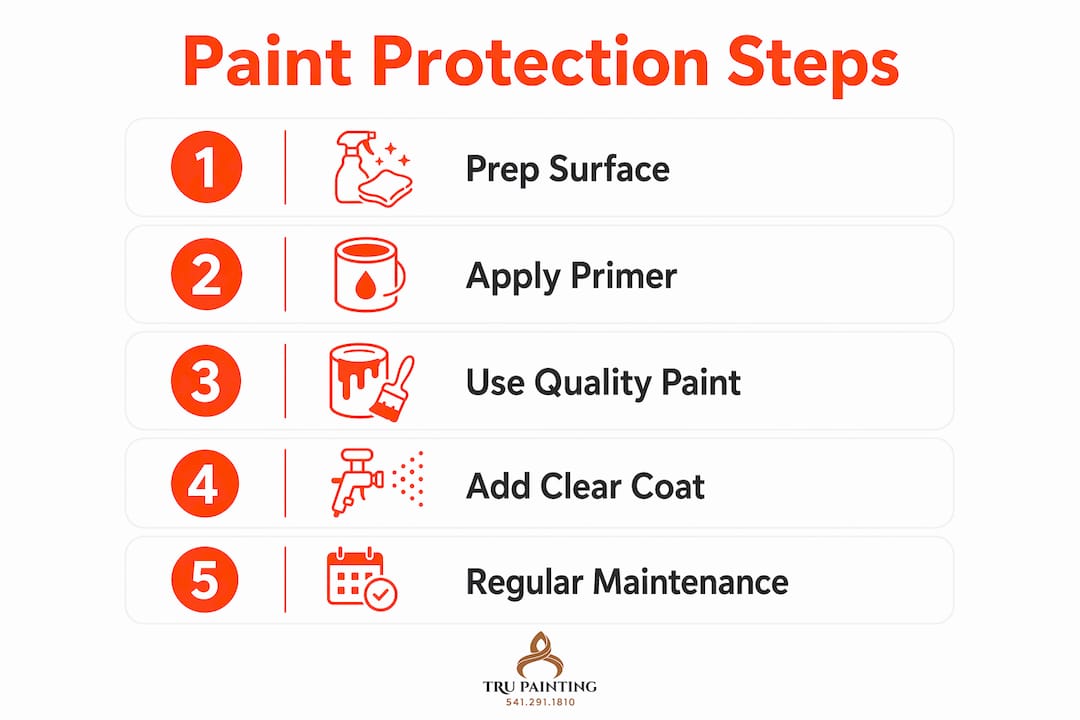
My honest advice: treat the residential exterior painting process as a multi-step system, not a single event. Prep, prime, paint, seal, maintain. Every step depends on the one before it. Cut one corner and the whole system weakens.
— Kyle
Trupainting LLC: professional protection for your painted surfaces
Trupainting LLC serves homeowners and business owners across Lake County and Central Florida with exterior and interior painting, cabinet refinishing, pressure washing, and specialty coatings. Every project starts with meticulous surface preparation, because we know that is where long-lasting finishes are actually built.

We use premium 100% acrylic paints and professional-grade sealers on every job, and our flexible painting packages let you choose the level of protection that fits your budget without cutting corners on quality. Whether you need exterior residential painting built to handle Florida's heat and humidity or a durable interior finish for a high-traffic commercial space, we bring the preparation, materials, and craftsmanship to make it last. Browse our completed project gallery to see the results firsthand.
FAQ
How long does paint last with proper protection?
Professional-grade paints with 100% acrylic binders last 7–10 years on well-prepared surfaces. Budget vinyl-acrylic blends typically last 3–5 years under the same conditions.
When can I wash walls after painting?
Wait at least 14 days before washing newly painted walls. Use a soft microfiber cloth and a mild cleaner to avoid dulling the finish.
What is the best sealer for exterior painted surfaces?
A breathable sealer is the best choice for exterior masonry, stucco, and wood siding. Breathable barriers repel water while allowing moisture vapor to escape, preventing the blistering that non-breathable sealers cause.
How often should exterior paint be inspected?
Bi-annual inspections are the standard for exterior painted surfaces. Schedule one in spring and one in fall to catch cracks, peeling, and caulking deterioration before they require costly repairs.
Does ceramic coating protect painted walls?
Ceramic coatings provide UV and chemical resistance for 2–7 years but do not protect against physical impact. They work best as a supplemental layer on exterior walls and specialty surfaces where chemical and UV exposure are the primary threats.
Key takeaways
Long-term paint protection requires preparation, quality materials, breathable coatings, and consistent maintenance working together as a system.
| Point | Details |
|---|---|
| Preparation drives durability | Clean, sanded, and primed surfaces bond paint to the substrate, not to contaminants. |
| Choose breathable coatings | Breathable sealers prevent blistering by allowing moisture vapor to escape from the substrate. |
| Inspect twice a year | Bi-annual exterior inspections catch cracks and caulking failure before they become costly repairs. |
| Quality paint lasts longer | 100% acrylic paints last 7–10 years vs. 3–5 years for budget vinyl-acrylic blends. |
| Maintain gently and promptly | Wait 14 days before washing walls, use microfiber cloths, and touch up chips before moisture spreads. |