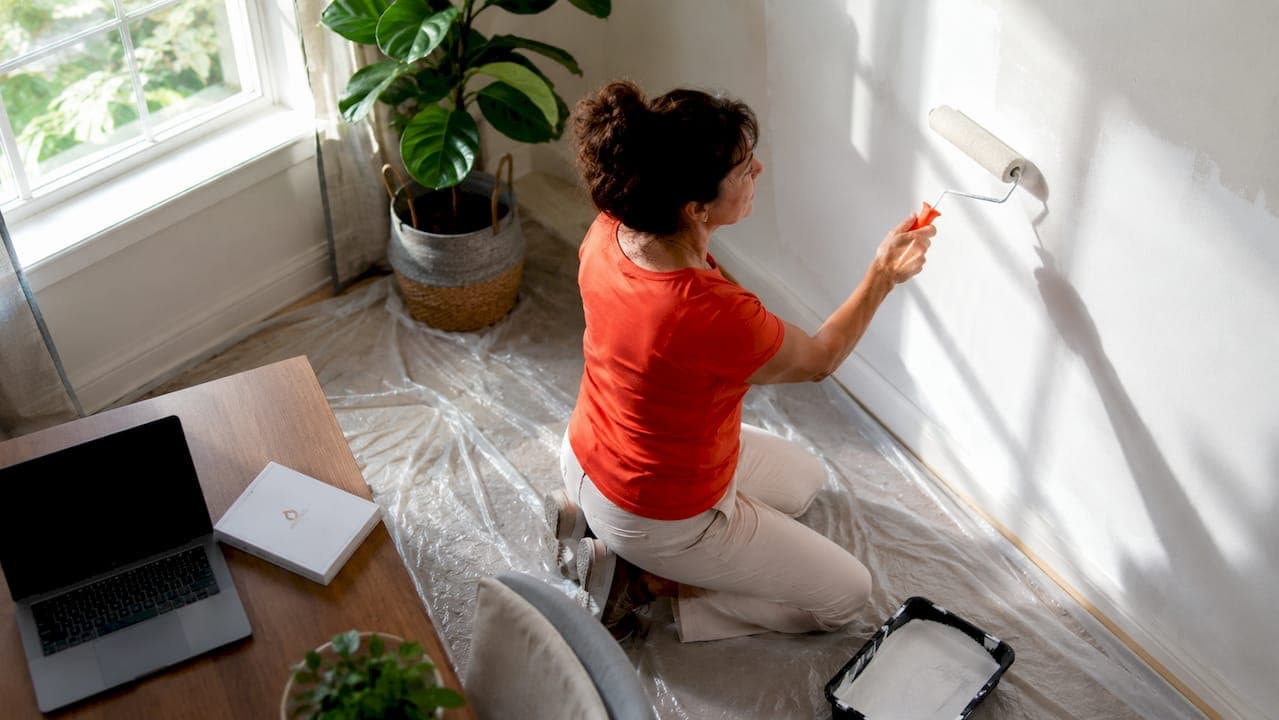
Interior painting improves air quality by reducing volatile organic compounds, known as VOCs, through the use of low- and zero-VOC paints and proper ventilation practices. The EPA identifies indoor air as frequently more polluted than outdoor air, making paint selection a direct health decision for every homeowner and renter. Modern paint technology has advanced far beyond the solvent-heavy formulas of past decades. Choosing the right paint and managing airflow after a project can meaningfully reduce chemical exposure in your home, especially for children, older adults, and anyone with asthma or allergies. Trupainting LLC works with these principles on every residential interior project we take on in Lake County and Central Florida.
Why interior painting improves air quality: the role of low-VOC paints
Low-VOC paints are the single most effective tool for improving indoor air through a painting project. Low-VOC paints reduce airborne toxins by up to 85% compared to conventional alternatives. That reduction directly limits the chemical load circulating in your living spaces after a fresh coat goes on the walls.
The numbers behind the labels matter. Low-VOC paints contain under 50 g/L of volatile organic compounds, while zero-VOC formulas carry fewer than 5 g/L. Traditional solvent-based paints can far exceed those thresholds, releasing compounds like benzene, formaldehyde, and toluene into your home's air for days after application.
Paint chemistry has also improved at the molecular level. Modern paint formulations produce secondary organic aerosols at rates about six times lower than paints from the 1990s. Secondary organic aerosols are the fine particles that form when VOC gases react with indoor air, and lower aerosol formation means cleaner air and less respiratory irritation.
Water-based low-VOC paints also dry approximately three times faster than traditional solvent-based paints. Faster drying shortens the window of peak chemical off-gassing, so you reclaim your space sooner with less lingering odor and exposure.
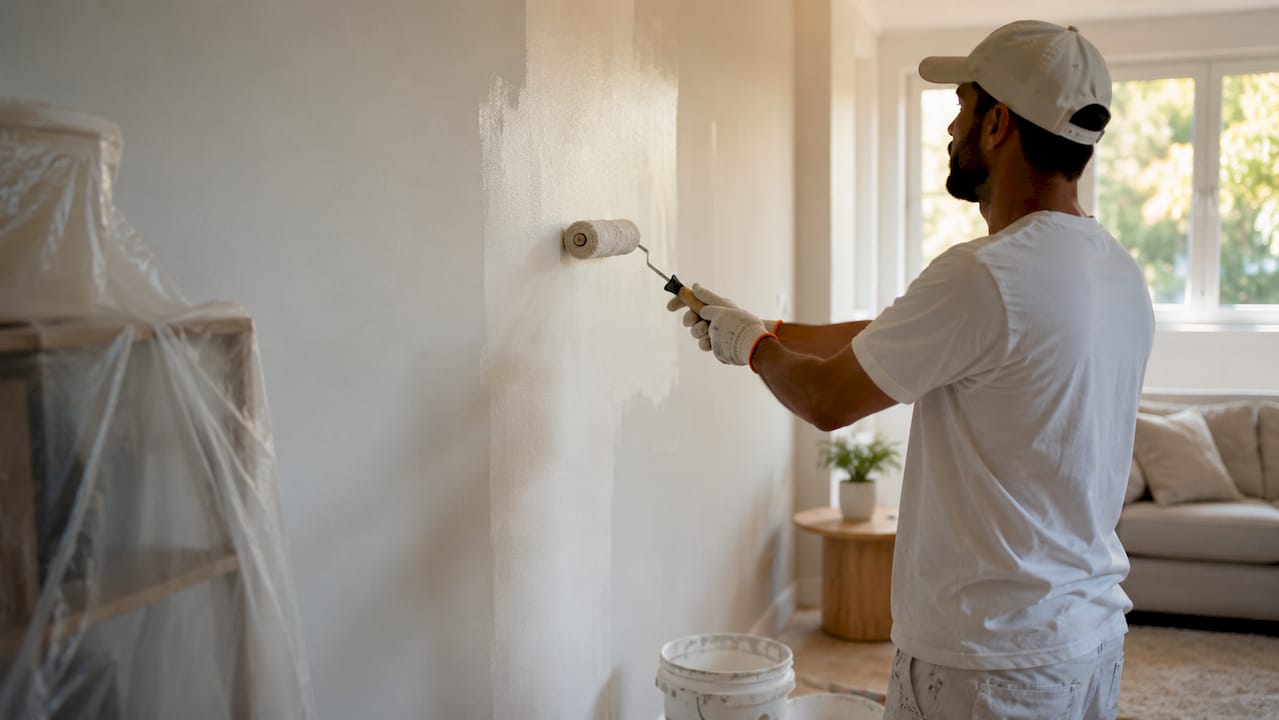
Pro Tip: When shopping for paint, look for the Green Seal GS-11 or GREENGUARD Gold certification on the label. These third-party certifications confirm that a product meets strict VOC emission limits, not just the manufacturer's marketing claims.
| Paint type | VOC content | Off-gassing risk |
|---|---|---|
| Traditional solvent-based | High (often above 250 g/L) | High, prolonged |
| Low-VOC water-based | Under 50 g/L | Moderate, shorter duration |
| Zero-VOC water-based | Under 5 g/L | Minimal |
What ventilation and air purification do after painting
Choosing a low-VOC paint is the first step. Managing airflow after the project finishes is the second, and many homeowners skip it entirely.
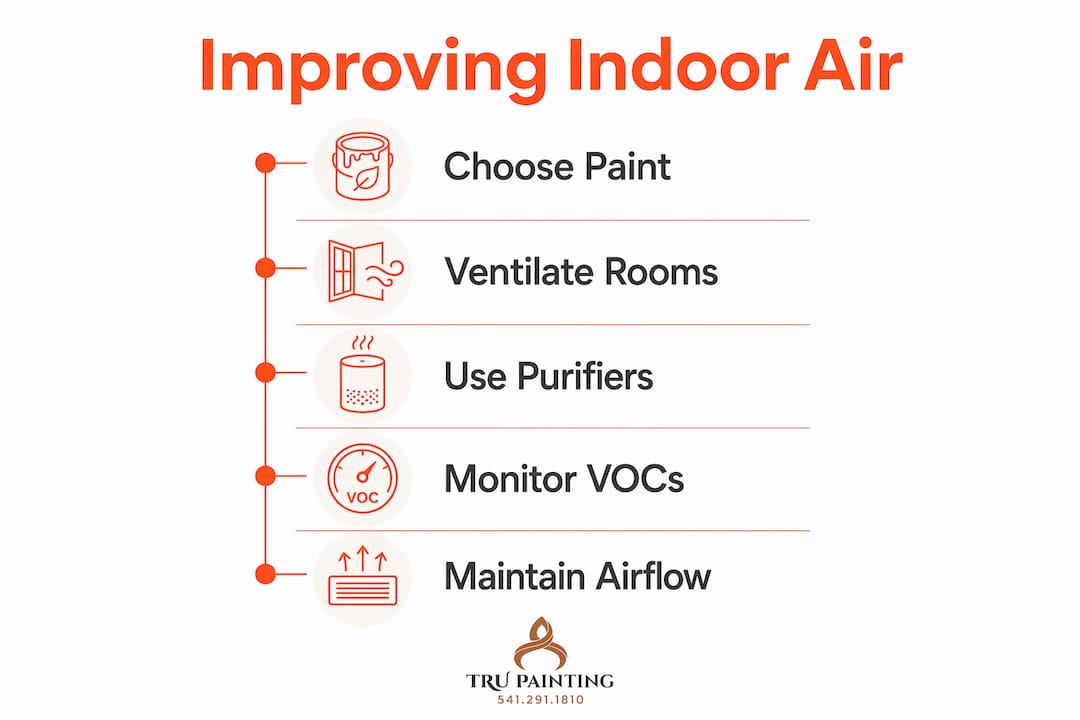
Cross-ventilation for 24–72 hours after painting is the recommended standard for water-based paints. Oil-based products or multi-coat projects may need ventilation well beyond 72 hours, until odors fully dissipate. The goal is to replace stale indoor air with fresh outdoor air, diluting any remaining VOC concentration.
Here is a practical ventilation sequence to follow after any interior painting project:
- Open opposing windows and doors immediately after painting to create cross-ventilation rather than just circulating indoor air.
- Run bathroom and kitchen exhaust fans continuously for the first 48 hours to pull fumes out of the space.
- Place a box fan facing outward in one window to actively push air out while fresh air enters from another opening.
- Avoid running central HVAC in recirculation mode during the first 24 hours, since this pulls VOC-laden air back through your ductwork.
- Add an activated carbon air purifier to the room being painted. Activated carbon captures gas-phase VOCs that HEPA filters cannot trap.
That last point deserves emphasis. Activated carbon is necessary for gases and odors, while HEPA filters primarily capture particulate dust from sanding and prep work. Using both filter types together covers the full range of airborne threats during and after a painting project.
Room size and conditions also affect how quickly air recovers. A small bathroom with one window clears faster than a large open-plan living area. High humidity slows paint curing and extends the off-gassing window, which is a real consideration in Florida's climate.
Pro Tip: Keep a digital VOC monitor in the room during and after painting. Affordable models are widely available and give you a real-time reading of air quality, so you know exactly when it is safe to sleep in a freshly painted bedroom.
Common misconceptions about painting and indoor air quality
Several widely held beliefs about paint fumes and air safety are simply wrong. Correcting them leads to better decisions and healthier outcomes.
-
"If it doesn't smell, the air is safe." This is the most dangerous misconception. VOCs are often odorless after initial curing, meaning the absence of smell does not confirm safe air. Many chemical compounds continue to off-gas invisibly long after the paint feels dry to the touch.
-
"Off-gassing is over in a day or two." The peak VOC off-gassing period spans 24–48 hours post-application, but full air recovery can take up to two weeks without adequate ventilation. Sleeping in a freshly painted room with closed windows on night two is still a real exposure risk.
-
"DIY painting is just as safe as professional work." Improper DIY prep work can disturb older lead-based paint layers, releasing lead dust into the air. Homes built before 1978 carry a meaningful risk of lead-based paint on existing surfaces. Sanding or scraping without proper containment spreads that dust throughout the home.
-
"Low-VOC paint means zero risk." Low-VOC products still contain some chemical compounds. The label reduces risk significantly, but it does not eliminate the need for ventilation or air purification during and after the project.
-
"Painting in winter with closed windows is fine if you use low-VOC paint." Ventilation is still required even with the best paint formulas. Closed-up spaces in cold months trap whatever off-gassing does occur, and concentration builds over time.
How professional painting services protect your indoor air quality
Professional painters bring knowledge and equipment that directly affect air quality outcomes, not just finish quality.
Professional painters use HEPA-filtered equipment during surface prep to contain sanding dust rather than releasing it into your home's air. That dust contains not just paint particles but potentially lead, mold spores, and other contaminants from older wall surfaces. Containing it at the source is far more effective than trying to filter it out afterward.
Professionals also control temperature and humidity during the curing process. Temperature and humidity management directly affects how quickly paint cures and how long off-gassing continues. A room that is too humid or too cold will extend the curing window, keeping VOC levels elevated longer than necessary.
The benefits of working with a qualified painting contractor include:
- Correct product selection. Professionals match the right primer and topcoat to your surface type, avoiding over-application that increases total VOC load.
- Proper surface prep. Thorough prep prevents peeling and repainting cycles, which means fewer total painting events and less cumulative chemical exposure over time.
- Ventilation management. Experienced painters set up airflow before the first brush stroke and advise you on how long to maintain it after the project wraps.
- Long-term finish quality. A durable finish that does not chip or peel keeps wall surfaces intact, reducing the chance of disturbing older paint layers in future touch-ups.
Trupainting LLC's residential interior painting services are built around these practices. We prioritize low- and zero-VOC products and manage the full project environment so your home's air quality improves rather than suffers from the work.
Key Takeaways
Choosing low- or zero-VOC paint and maintaining cross-ventilation for at least 24–72 hours after painting are the two most effective steps homeowners can take to protect and improve indoor air quality.
| Point | Details |
|---|---|
| Low-VOC paint cuts chemical load | Zero-VOC formulas contain under 5 g/L of VOCs, reducing airborne toxins by up to 85% versus conventional paint. |
| Off-gassing lasts longer than expected | Full air recovery can take up to two weeks; ventilate continuously, not just for the first few hours. |
| Odor is not a safety indicator | Many VOCs are odorless after initial curing, so use a VOC monitor rather than relying on smell. |
| Filter type matters | Use activated carbon for gas-phase VOCs and HEPA for particulate dust; neither alone covers both threats. |
| Professional prep protects air quality | HEPA-filtered sanding equipment and humidity control during curing reduce both immediate and long-term exposure risks. |
What I've learned about paint, air quality, and the details that actually matter
I've watched the conversation around interior painting and air quality shift dramatically over the past several years. Homeowners used to ask about color and sheen. Now they ask about VOC content, curing time, and whether their kids can sleep in a freshly painted room. That shift reflects something real: people are paying attention to what goes into their air.
The part that surprises most people is how much the prep work matters. Choosing a zero-VOC topcoat and then sanding old walls without dust containment is a contradiction. You've reduced one chemical source while releasing another. Certified low-VOC paints deliver real health benefits for children, older adults, and people with asthma, but only when the full project is managed with the same care as the product selection.
My honest advice: do not treat paint selection as the finish line. It is the starting point. Ventilation, humidity control, and proper surface prep are what turn a good product choice into a genuinely healthier home. The technology in modern paints is impressive. The results only show up when the application matches the product.
— Kyle
Fresh paint, cleaner air: how Trupainting LLC can help
Trupainting LLC serves homeowners and renters across Lake County and Central Florida who want interior painting done right, with products and practices that protect the air they breathe every day.

We use low- and zero-VOC paints on every residential interior project and manage ventilation and curing conditions throughout the job. Our team handles surface prep with HEPA-filtered equipment to keep dust contained, not circulating. We also offer cabinet refinishing services using low-VOC finishes, so every surface in your home gets the same careful treatment. Whether you are refreshing one room or repainting your entire home, our painting packages give you flexible options without cutting corners on product quality or safety.
FAQ
What makes low-VOC paint better for indoor air quality?
Low-VOC paints contain under 50 g/L of volatile organic compounds, compared to much higher levels in traditional solvent-based paints. Lower VOC content means fewer harmful chemicals released into your home's air during and after application.
How long should I ventilate after interior painting?
Cross-ventilate for at least 24–72 hours after applying water-based paints, and longer for oil-based or multi-coat projects. Full air recovery can take up to two weeks, so keep windows open and exhaust fans running as much as possible.
Can interior painting actually make air quality worse?
Yes, if done with high-VOC paints, poor ventilation, or improper surface prep. Disturbing older lead-based paint during DIY sanding is a serious risk in homes built before 1978. Using low-VOC products and professional prep practices prevents this outcome.
Does zero-VOC paint mean there are no fumes at all?
Zero-VOC paints contain fewer than 5 g/L of VOCs, which is a significant reduction, but not a complete elimination. Some off-gassing still occurs, and ventilation remains necessary even with the cleanest available formulas.
Are air purifiers useful during a painting project?
Yes, but filter type determines effectiveness. Activated carbon filters capture gas-phase VOCs and odors, while HEPA filters remove particulate dust from sanding. Running both types together provides the most complete air protection during and after a painting project.