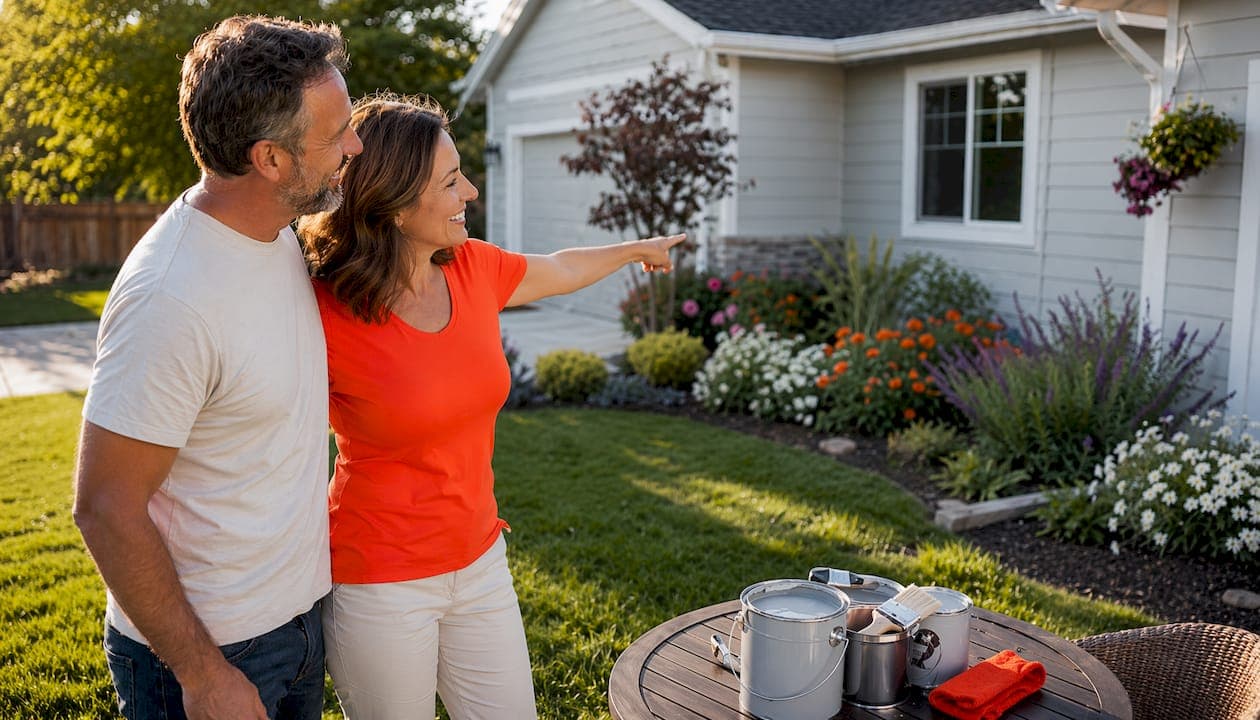
Painting is one of the most cost-effective ways to increase a property's resale value, and the numbers back it up. A fresh paint job can add an average of $12,130 to a median home sale price, representing a 2–5% increase in total value. That return comes from three places: stronger curb appeal, a better appraisal condition rating, and the emotional pull that the right colors have on buyers. Whether you are selling next month or planning a long-term investment, understanding why painting improves property value gives you a real edge in any market.
Why painting improves property value: the core mechanics
Painting does not add square footage or new systems, but it does two things that directly affect what buyers pay. First, it signals that the home has been maintained. Second, it protects the structure from moisture, UV damage, and rot. Both factors show up in appraisals and in the offers buyers write.
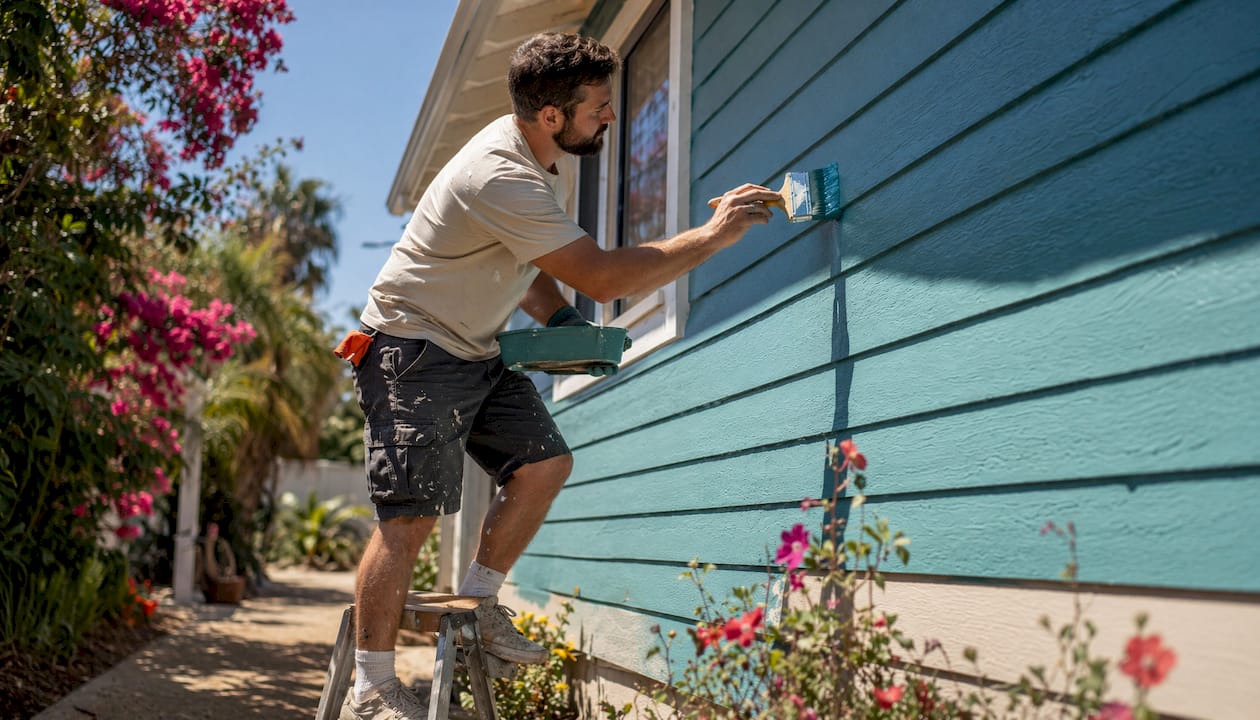
Appraisers do not assign a dollar amount to paint color, but they do assign condition ratings. A home with peeling or faded exterior paint can drop from a C3 to a C4 condition rating. That single-step drop affects comparable sales by $10,000 to $25,000. Fresh paint keeps your rating where it belongs and prevents that loss before it happens.
Curb appeal works differently. It operates on buyer psychology before anyone steps inside. Strong curb appeal can increase the final sales price by up to 7%. Buyers form opinions within seconds of pulling up to a property, and a clean, vibrant exterior sets a positive tone for everything they see next.
How does exterior painting affect buyer perception and appraisals?
Exterior paint functions as a weatherproofing shield. It blocks UV rays, repels moisture, and prevents wood rot and mold from taking hold in siding, trim, and fascia boards. When that shield fails, the damage compounds quickly and expensively.
Professional exterior painting done every 10–15 years protects structural integrity and avoids the downgraded condition ratings that appraisers assign to homes with visibly deteriorated paint. For a $475,000 home, the value increase from a fresh exterior paint job ranges from $9,500 to $23,750. Exterior paint jobs typically deliver 50–55% ROI, making them one of the highest-return cosmetic upgrades available to sellers.
Peeling paint is not just an aesthetic problem. Buyers and their inspectors use it as a negotiating tool. A home that shows visible paint failure invites lower offers and repair credit requests. Fresh paint removes that leverage from the buyer's hands entirely.
Here is what drives the best results on exterior projects:
- Surface preparation: Patching cracks, sanding rough areas, and caulking gaps before any paint is applied
- Primer application: Stain-blocking primer on bare wood or stained surfaces prevents bleed-through and peeling
- Quality coatings: Premium exterior paints with UV inhibitors and mildewcides last significantly longer in Florida's climate
- Color selection: Neutral, classic tones appeal to the widest pool of buyers and photograph well for listings
Pro Tip: Schedule your exterior painting at least 30 days before your appraisal. Fresh paint needs time to fully cure, and a fully cured finish looks sharper and holds up better under an inspector's close look.
What paint colors add the most value inside a home?
Interior paint color is not just decoration. It directly influences the offers buyers write. Zillow's 2026 paint color analysis found that chocolate brown in a bedroom adds about $2,277 to the offer price, while pale blue and charcoal gray in living rooms add more than $1,500. The wrong colors cost real money: ochre yellow can decrease buyer offers by up to $18,000.
The pattern behind these numbers is consistent. Warm, nature-inspired tones create an emotional connection that buyers associate with comfort and quality. Plain white walls, by contrast, read as unfinished or generic. Modern buyers prefer colors that feel intentional and livable.
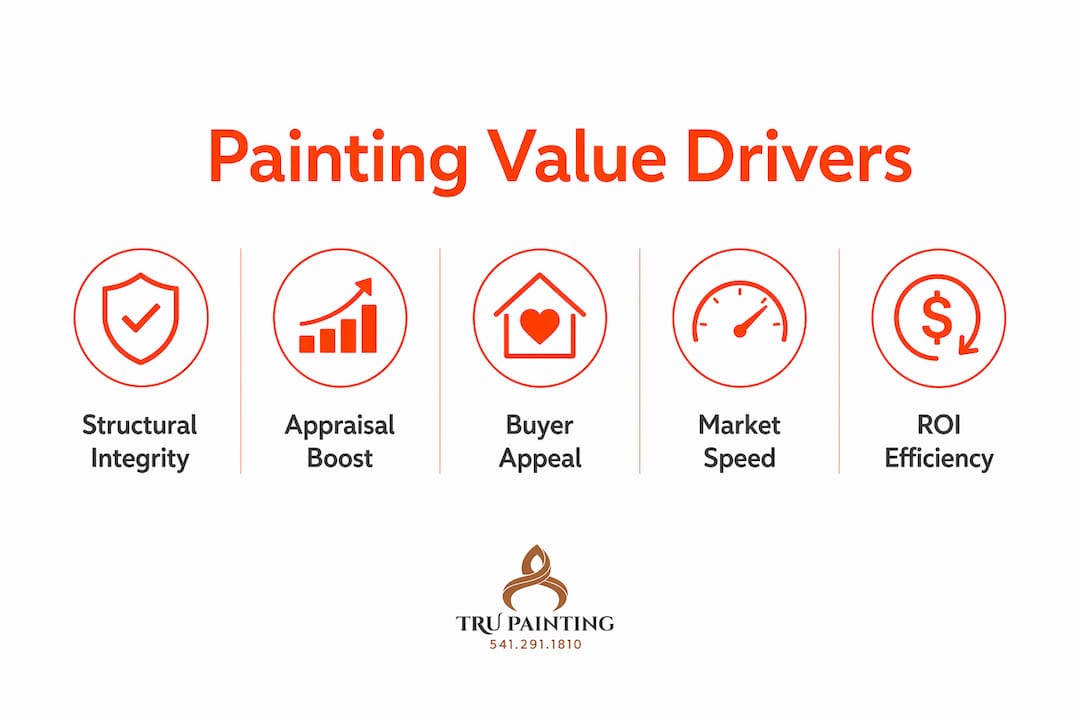
The kitchen carries the highest stakes. Color choices in that room alone can swing buyer offers by nearly $8,000. Kitchens are where buyers spend the most mental energy imagining daily life, so the color sets the tone for the entire home's perceived quality.
Colors that consistently perform well with buyers in 2026:
- Chocolate brown and warm taupe in bedrooms
- Sage green and soft terracotta in living areas
- Pale blue and warm gray in bathrooms
- Off-white and greige in kitchens and open-plan spaces
Colors that consistently reduce offers:
- Ochre yellow in any main living space
- Fire-hydrant red as a dominant wall color
- Pale pink in adult bedrooms
- Bright white that reads as sterile rather than clean
Interior painting in kitchens, bathrooms, and main living areas delivers average ROI between 40–48%. Neutral grays, off-whites, and earth tones consistently perform best for broad market appeal.
Does professional painting outperform DIY for resale value?
Professional painting outperforms DIY in every category that matters for resale: surface preparation, finish quality, and durability. The difference is not just visual. It is financial.
DIY painting risks include uneven coverage, missed prep steps, and paint failure within one to two years. Buyers notice these issues during walkthroughs, and poor finish quality causes buyers to anticipate repair costs, which they subtract from their offers. A DIY paint job that saves $1,500 upfront can cost $5,000 or more in reduced offers.
Professional preparation is what separates a durable finish from one that fails quickly. The process includes:
- Inspect and clean all surfaces to remove dirt, mildew, and chalking old paint
- Patch holes and cracks with appropriate filler, then sand smooth
- Caulk all gaps around trim, windows, and doors to prevent moisture intrusion
- Apply stain-blocking primer on bare wood, water stains, or dark colors
- Apply two finish coats of premium paint with proper dry time between coats
- Inspect and touch up before declaring the project complete
Each step builds on the last. Skipping any one of them shortens the life of the finish and reduces the return on the investment.
Pro Tip: Coordinate your painting completion date with your listing agent. Aim to finish painting at least two weeks before photos are taken. Fresh paint photographs better, and the slight off-gassing smell will have dissipated by the time buyers walk through.
Trupainting LLC's approach to every project starts with thorough prep. That preparation is what makes the finish last and what protects your investment through the sale process and beyond.
How does painting fit into a broader home value strategy?
Painting rarely creates new structural value on its own. What it does is prevent condition penalties and support the value that other improvements create. Think of it as the finishing layer that makes everything else look intentional.
Kitchens and bathrooms remain the top ROI investments for sellers. A remodeled kitchen can return 60–80% of its cost at resale. Fresh paint in those same spaces amplifies that return by making the renovation look polished and complete. Paint without renovation still helps, but renovation without paint leaves money on the table.
Painting also shortens time on market. Interior painting modernizes spaces and creates the kind of move-in-ready appearance that buyers pay a premium for. Homes that feel ready to occupy attract faster offers and fewer contingencies.
For real estate investors, painting is almost always the first step before listing or renting a property. The cost is low relative to other upgrades, the visual impact is immediate, and the ROI is measurable. Combining paint with cabinet refinishing, updated fixtures, and landscaping creates a compounding effect on perceived value that individual upgrades cannot match alone.
Painting as part of a broader upgrade plan works best when it is coordinated with staging and photography. A freshly painted home that is also well-staged photographs dramatically better than one that has only been cleaned and decluttered.
Key Takeaways
Painting improves property value by protecting structural integrity, improving appraisal condition ratings, and influencing buyer offers through color psychology and move-in-ready appeal.
| Point | Details |
|---|---|
| Exterior paint protects value | Fresh exterior paint prevents condition rating drops that cost $10,000–$25,000 at appraisal. |
| Color choice drives offers | Zillow's 2026 data shows color alone can swing buyer offers by thousands in either direction. |
| Professional prep is non-negotiable | Patching, caulking, and priming before painting determines durability and long-term ROI. |
| Timing affects appraisal results | Completing exterior painting 30 days before appraisal allows full cure and optimal condition rating. |
| Paint amplifies other upgrades | Fresh paint makes kitchen and bathroom renovations look complete and supports higher asking prices. |
What I have learned after years of painting homes before sale
Painting is the upgrade most homeowners underestimate and most real estate agents push hardest. After working on hundreds of residential projects, I have seen both sides of that tension play out in real results.
The biggest mistake I see is treating paint as the last thing you do, rushed in the final week before listing. Paint applied in a hurry over unprepared surfaces fails fast and looks worse than no paint at all. Buyers can spot a rushed job. The brush marks, the thin coverage, the paint on the trim where it should not be. All of it signals carelessness, which is exactly the opposite of what you want a buyer to feel.
The second mistake is choosing colors based on personal taste rather than buyer psychology. I have watched sellers insist on a bold accent wall that they love, only to watch buyers hesitate and offer less. The research from Zillow confirms what I see in the field: warm, neutral, nature-inspired tones consistently outperform personal favorites when the goal is maximum offer price.
What actually works is simple. Hire professionals who start with prep, choose colors based on current buyer preferences rather than trends that will date quickly, and finish the project with enough lead time for the paint to cure before photos and appraisals. That combination delivers the full return that painting is capable of providing.
— Kyle
Trupainting LLC: painting that pays off at resale
If you are preparing a home for sale or managing an investment property in Lake County or Central Florida, the quality of your paint job directly affects your bottom line.
Trupainting LLC specializes in residential exterior painting and residential interior painting built around thorough preparation, premium coatings, and finishes that hold up through inspections and appraisals. We offer flexible painting packages designed to match your timeline and budget without cutting corners on quality. Whether you need a full exterior refresh before listing or targeted interior work in kitchens and living areas, we bring the preparation and craftsmanship that delivers real returns. Contact Trupainting LLC to schedule your estimate and get your property ready to impress buyers from the first showing.
FAQ
How much value does painting add to a home?
A fresh paint job can add an average of $12,130 to a median home sale price, representing a 2–5% increase in total property value. Exterior paint jobs typically deliver 50–55% ROI.
Does exterior paint affect a home's appraisal?
Exterior paint does not add a direct dollar amount to an appraisal, but it affects the condition rating. A drop in condition rating from C3 to C4 can reduce comparable value by $10,000 to $25,000.
What interior paint colors increase home value the most?
Chocolate brown in bedrooms, pale blue in living rooms, and warm gray in bathrooms consistently increase buyer offers according to Zillow's 2026 paint color analysis. Ochre yellow is the single worst color for offer prices.
Is professional painting worth the cost before selling?
Professional painting is worth the cost because poor DIY finishes signal deferred maintenance and cause buyers to reduce their offers. The preparation quality that professionals provide also extends the life of the finish well beyond the sale.
When should I paint before listing my home?
Complete exterior painting at least 30 days before your appraisal to allow full cure time. Finish all interior painting at least two weeks before listing photos to allow off-gassing and ensure the finish photographs at its best.