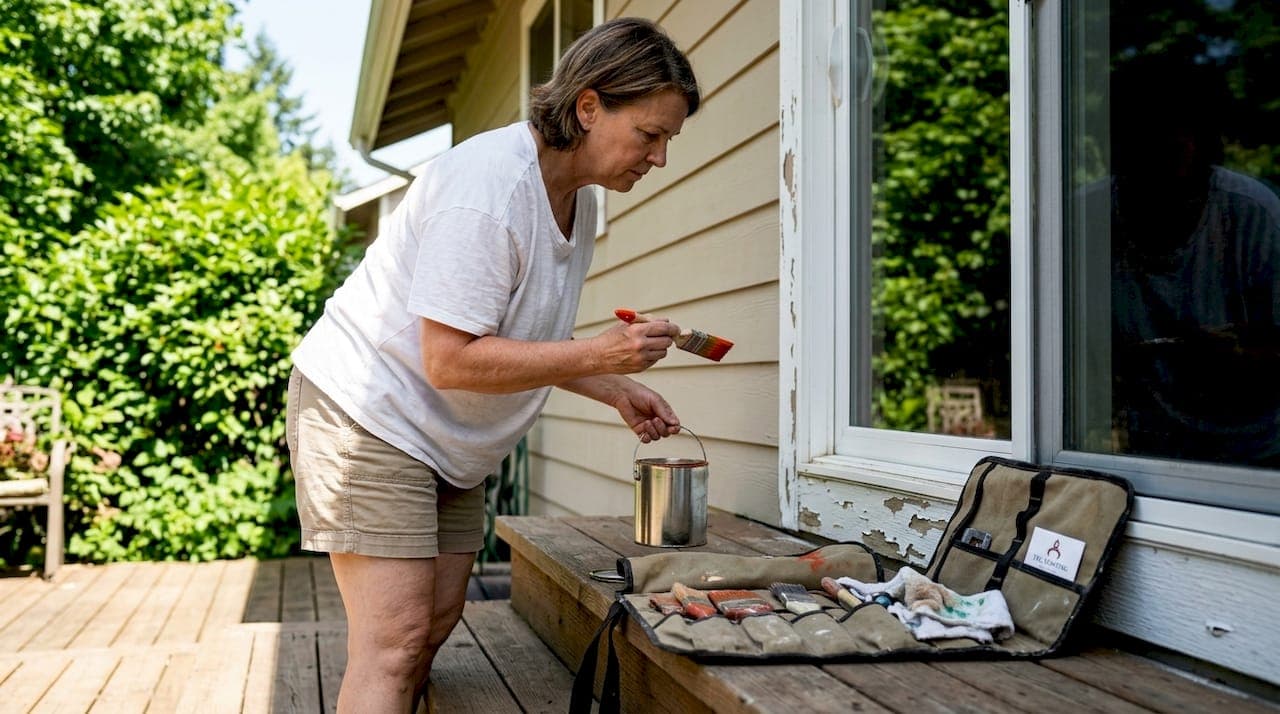
A yearly exterior paint check is a structured inspection of your home's outer surfaces to catch early signs of paint failure before they become expensive problems. Professionals call this an annual exterior paint inspection, and the two terms are used interchangeably across the industry. 2026 industry standards recommend performing this inspection twice a year, after wet seasons and after hot seasons, to catch damage at its earliest stage. Skipping this routine leaves your siding, trim, and caulking exposed to moisture, UV rays, and temperature swings that compound quietly over time. The good news is that a systematic annual check takes less than two hours and can save you thousands in avoidable repairs.
What is a yearly exterior paint check and why does it matter?
A yearly exterior paint check is a deliberate, room-by-room walk around your home's exterior to assess the condition of paint, caulking, sealants, and the substrate beneath. The goal is simple: find small problems before they grow. Most exterior paint lasts between 5 and 10 years depending on materials, prep quality, paint grade, and sun exposure. That range is wide, and where your homelands within it depends almost entirely on how well you maintain it year to year.
The inspection also protects your financial investment. A fresh exterior paint job on an average home represents a meaningful cost. Letting paint fail without intervention means you pay for full repainting sooner, or worse, for siding replacement. Treating the annual check as a non-negotiable part of home maintenance, the same way you treat HVAC filter changes or gutter cleaning, shifts you from reactive spending to planned upkeep.
What are the key signs to look for during an annual exterior paint check?
Knowing what to look for makes the difference between a useful inspection and a casual glance. Paint failure shows up in predictable patterns, and each one tells you something specific about what went wrong.
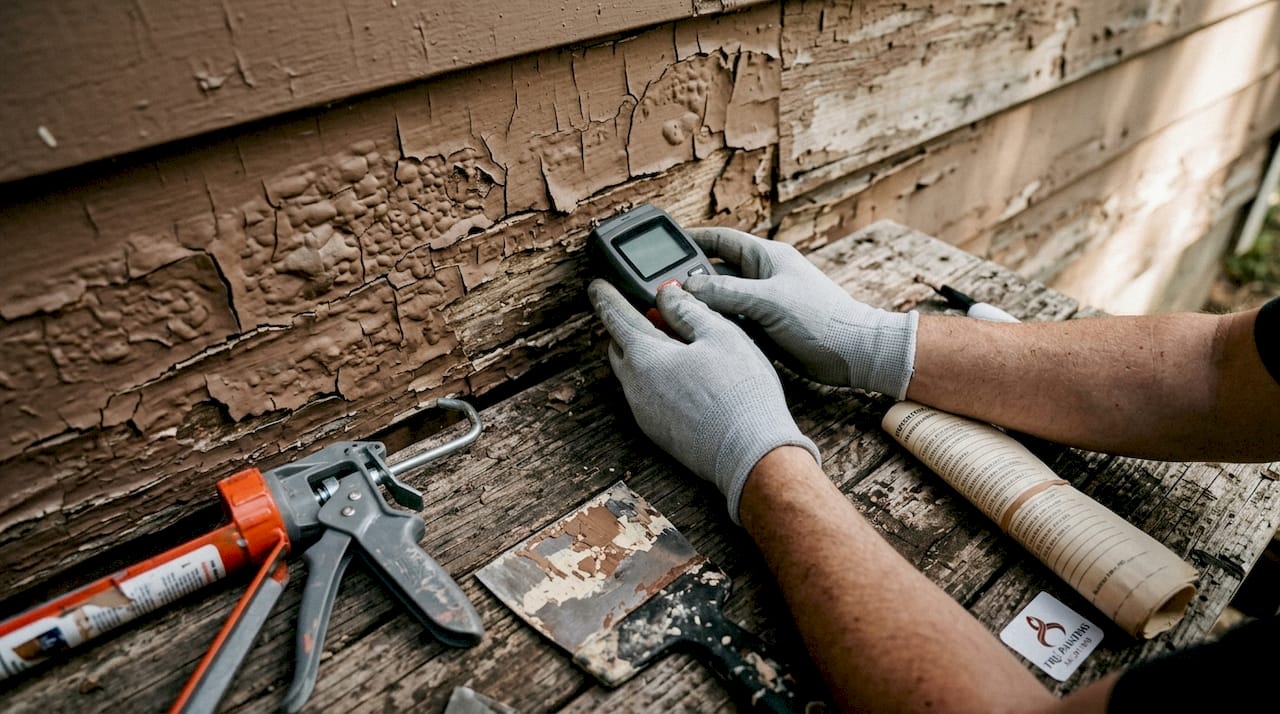
- Peeling and flaking: Paint lifts away from the surface in sheets or chips. This usually signals moisture trapped beneath the film or poor adhesion during the original application.
- Blistering and bubbling: Raised pockets form under the paint surface. Heat or moisture is pushing up from behind, and the paint film is separating from the substrate.
- Chalking: A powdery white residue rubs off on your hand when you press the wall. This is normal aging, but heavy chalking means the paint binder has broken down and the surface needs attention soon.
- Cracking and checking: Fine lines or deeper cracks run across the surface. Shallow cracks are cosmetic; cracks that reach the substrate let water in.
- Mildew and dark staining: Black or green patches appear on shaded walls, under eaves, or near down spouts. Mildew grows where moisture lingers and paint is no longer protecting the surface.
- Exposed wood or substrate: Bare wood visible through worn paint is a serious warning. The substrate is now unprotected and will absorb water with every rain.
- Caulk failure: Caulking failure is a leading cause of paint deterioration because moisture enters behind the paint film and causes bubbling and flaking. Check every joint around windows, doors, and trim.
Learning to tell superficial wear from deeper damage takes practice. Chalking and minor fading are surface issues. Cracking that reaches bare wood, bubbling over large areas, or soft spots in the siding beneath the paint signal structural moisture damage that needs professional attention.
Pro Tip: Run your hand along walls in shaded areas and near ground level. Soft or spongy spots under the paint film often indicate wood rot that a visual check alone will miss.
When and how should homeowners perform annual exterior paint inspections?
Timing your inspection correctly gives you the best chance of catching damage before it worsens. The best timing for professional inspections is late fall, which lets you identify issues before winter weather accelerates damage. A second inspection in spring, after wet season ends, catches any moisture-related problems that developed over winter. Two inspections per year is the standard recommended by current industry guidelines.
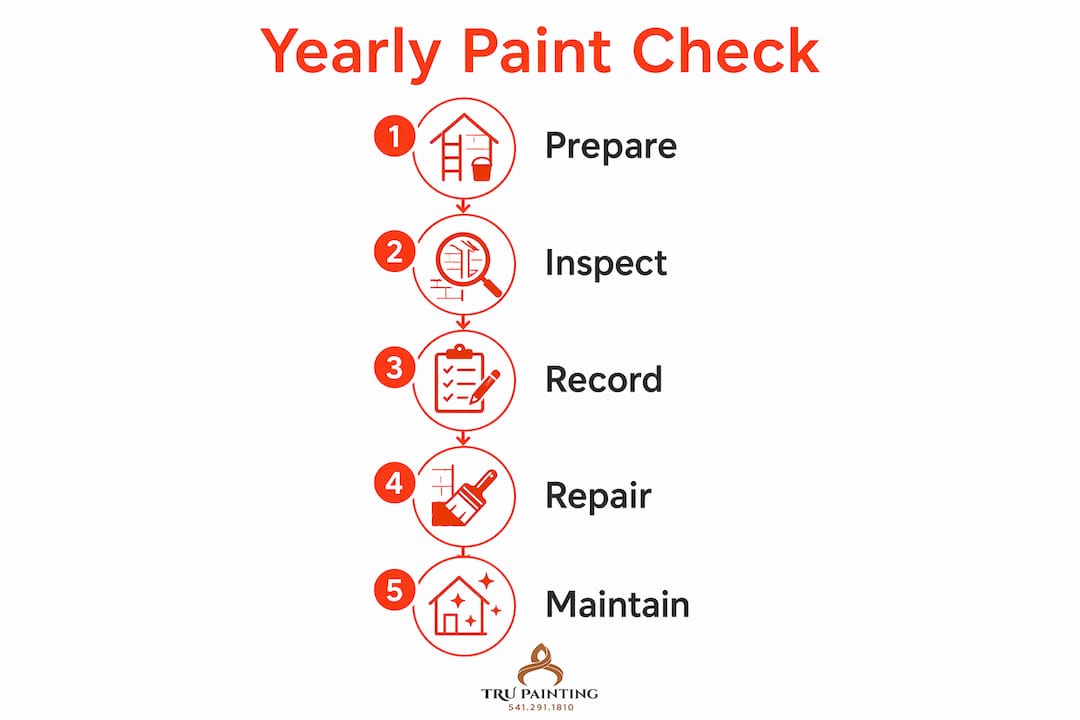
A systematic walk-around is the most reliable method. Follow these steps every time:
- Start at one corner and move in one direction. Pick a starting point and walk the full perimeter without backtracking. Consistency prevents you from skipping sections.
- Check from ground level and from close up. Stand back to see the full wall plane, then move in to examine joints, trim, and caulk lines up close.
- Photograph each elevation from the same spot each year. Photographing house elevations from consistent vantage points annually reveals slow-developing issues invisible to a casual glance. Photo logs track chalking, swelling, and discoloration over time.
- Pay extra attention to south- and west-facing walls. South- and west-facing walls degrade faster due to higher UV exposure and need more frequent monitoring.
- Probe caulk joints with a putty knife. Caulk that crumbles, pulls away, or feels brittle needs replacement before the next rain.
- Check gutters, downspouts, and drainage. Water that pools against your siding accelerates paint failure faster than almost any other factor.
Inspection frequency also depends on your siding material. Wood siding needs attention every 3–7 years for repainting, while brick may only need full repainting every 15–20 years. That said, annual checks apply to every material because caulk, trim, and drainage issues affect all siding types equally.
Pro Tip: Schedule your fall inspection before temperatures drop below 50°F. Most exterior caulks and touch-up paints require warmer temperatures to cure properly, so catching problems in early fall gives you a repair window before winter closes it.
How does a yearly exterior paint check help extend the lifespan of your home's paint?
Regular inspections extend paint life by catching problems at the point where a small repair prevents a large one. Delaying repairs leads to a domino effect where moisture penetrates and causes extensive damage that multiplies repair costs. A cracked caulk joint ignored for one winter can mean rotted framing by spring.
The financial case for annual inspections is clear:
- Spot repairs cost a fraction of full repaints. Touching up a peeling section or recaulking a window costs far less than repainting an entire elevation.
- Maintaining seals prevents water intrusion. Water behind paint destroys both the paint film and the substrate beneath it. Sound caulking is the first line of defense.
- UV damage is cumulative. Paint on sun-exposed walls breaks down year over year. Catching early chalking and fading lets you apply a maintenance coat before the substrate is exposed.
- Property value stays steady. Documenting yearly paint condition helps maintain property value and prolong paint life. Buyers and appraisers notice peeling paint immediately.
- Proactive maintenance beats reactive repairs every time. A homeowner who inspects annually and makes small repairs spends less over a decade than one who waits for obvious failure and then faces a full repaint or siding replacement.
Paint lifespan is heavily influenced by local environmental conditions rather than fixed timelines. In Central Florida, high humidity, intense UV exposure, and frequent rain make annual checks more critical than in drier climates. Homes in Lake County face conditions that can cut paint life significantly shorter than the national average if maintenance is deferred.
What are the costs and resources involved in a yearly exterior paint check?
Understanding the cost of inspections helps you budget realistically and avoid surprises. Annual exterior paint inspections cost homeowners $20–$50 for DIY supplies and $100–$300 for professional services. Professional inspections typically last 1–2 hours depending on property size.
For a DIY inspection, you need:
- A sturdy ladder to reach upper elevations and soffits
- A flashlight for shaded areas and overhangs
- A putty knife or screwdriver to probe caulk and soft spots
- A smartphone or camera for your annual photo log
- A notepad or simple spreadsheet to record findings by location
The cost comparison between timely repairs and deferred maintenance is not close. Recaulking a window costs $10–$30 in materials and an afternoon of your time. Replacing rotted window framing because failed caulk let water in for two seasons costs hundreds to thousands of dollars. A full exterior repaint on a mid-size home runs several thousand dollars. Routine inspections and minor repairs push that full repaint date out by years.
Professional inspectors add value beyond what a homeowner can see. Professional inspectors identify early structural or moisture damage hidden beneath the paint film, distinguishing between surface wear and deeper issues. If your home has stucco, fiber cement, or complex trim details, a professional inspection every few years alongside your DIY checks is money well spent. Trupainting LLC offers residential exterior painting evaluations that pair inspection findings with a clear maintenance plan.
Best practices and common mistakes to avoid during your yearly exterior paint check
Most inspection mistakes come from rushing. A slow, methodical walkthrough catches what a quick glance misses every time.
- Document everything with photos. A written note saying "peeling near garage" is far less useful than a dated photo showing exactly where and how much. Build a folder by year so you can compare conditions over time.
- Never skip the caulk. Caulk failure is the most commonly overlooked issue in DIY inspections. Check every joint, seam, and penetration point around the entire exterior.
- Inspect stress zones first. Sun-exposed south and west walls, areas near downspouts, and spots where two materials meet are where paint fails first. Give these zones extra time.
- Know when to call a professional. Touch-up paint covers cosmetic wear. Soft substrate, widespread bubbling, or mildew covering large areas signals a problem that needs professional diagnosis before any paint is applied.
- Schedule before harsh seasons. Involving professionals during low-risk seasons reduces the probability of unexpected repairs and supports long-term paint system sustainability. Fall inspections give you time to act before winter; spring inspections let you address winter damage before summer heat bakes it in.
Pro Tip: Treat your annual inspection like an asset review, not a chore. Routine inspections act as asset management, moving homeowners from reactive emergency repairs to proactive maintenance. A 30-minute walk around your home once a year is one of the highest-return activities in home ownership.
Key Takeaways
A yearly exterior paint check is the single most cost-effective habit a homeowner can build to protect their home's exterior, prevent moisture damage, and extend paint life by years.
| Point | Details |
|---|---|
| Inspect twice a year | Check after wet season and after hot season to catch damage at its earliest stage. |
| Know the warning signs | Peeling, bubbling, caulk failure, and exposed substrate all signal problems that need immediate attention. |
| Document with photos | Annual photos from the same vantage points reveal slow-developing issues that a single glance will miss. |
| Small repairs save big money | Timely caulk repairs and touch-ups prevent the moisture damage that leads to full repaints or siding replacement. |
| Match frequency to your material | Wood siding needs more frequent attention than brick or stucco, but caulk and drainage checks apply to every home. |
What I've learned from years of watching homeowners skip this one step
After working on hundreds of exterior paint projects across Lake County and Central Florida, the pattern is consistent. Homeowners who call us for emergency repaints almost always say the same thing: "It didn't look that bad last year." The truth is it did look bad last year. The signs were there. They just weren't looked for.
The biggest misconception I run into is that paint is a set-it-and-forget-it finish. Homeowners assume that because the paint looked great when it was applied, it will hold up without any attention. Paint is a protective coating, not a permanent seal. It ages, it flexes with temperature changes, and it takes a beating from UV rays and rain. Without annual checks, that aging happens invisibly until the damage is obvious and expensive.
What I tell every homeowner we work with is this: combine your exterior paint inspection with something you already do seasonally. Walk the perimeter when you clean your gutters in the fall. Take photos when you do your spring yard cleanup. Pair it with a habit you already have, and it stops feeling like an extra task. The homes we see that hold up the best over five and ten years are not the ones with the most expensive paint. They are the ones with owners who pay attention.
— Kyle
How Trupainting LLC can support your annual exterior paint maintenance
Trupainting LLC serves homeowners across Lake County and Central Florida with thorough exterior inspections, detailed condition assessments, and professional painting services built to last.

Our team brings the same meticulous preparation to an inspection visit as we do to a full repaint. We identify paint failure, caulk deterioration, and moisture stress points that a DIY walkthrough can miss. We also provide a clear maintenance plan so you know exactly what needs attention now and what can wait. Whether you need a professional eye on a specific problem area or want to schedule a full exterior painting service, we make the process straightforward and worth your time. Explore our painting packages to find the right level of service for your home and budget.
FAQ
What is a yearly exterior paint check?
A yearly exterior paint check is a structured inspection of your home's outer surfaces to identify early signs of paint failure, caulk deterioration, and moisture damage. The industry standard term is an annual exterior paint inspection, and current guidelines recommend performing it twice a year.
When is the best time to inspect exterior paint?
The best times are late fall, before winter weather sets in, and spring, after wet season ends. Late fall inspections let you identify and repair issues before cold temperatures make repairs harder or impossible.
How long does an exterior paint inspection take?
A DIY walk-around inspection takes 30–60 minutes for an average home. A professional inspection typically lasts 1–2 hours and includes a detailed condition report.
What are the most common signs of paint deterioration?
The most common signs are peeling, blistering, chalking, cracking, mildew growth, and caulk failure around windows and doors. Exposed bare wood or substrate is the most urgent sign and requires immediate attention.
How much does an annual exterior paint inspection cost?
DIY inspections cost $20–$50 in supplies. Professional inspections run $100–$300 depending on property size and scope, and they often identify hidden moisture or structural issues that a homeowner inspection would miss.