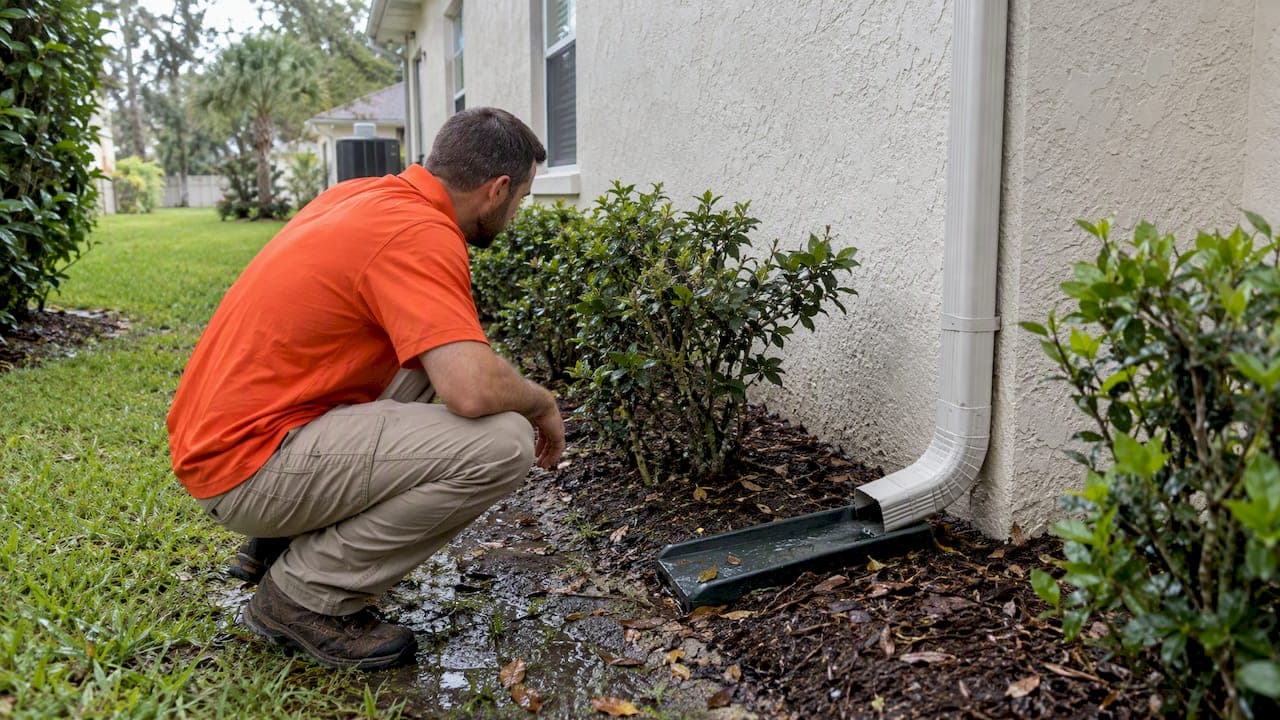
For most Florida homes, plan a professional exterior wash at least annually, and increase frequency to more often if your property sits near the coast, under heavy shade, or in consistently humid spots. Roofs and wood decks follow their own rules and call for gentler soft-wash timing. If you would rather hand the job to someone local, we offer exterior cleaning as part of our regular service lineup.
TL;DR:
- Homes near the coast, shaded areas, or with high humidity typically need cleaning every 6 to 12 months rather than the standard once a year.
- Driveways and concrete surfaces should be cleaned more frequently, usually every 6 to 12 months, if there is heavy traffic or oil stains.
- Soft washing prevents damage on fragile surfaces like roofs and stucco, with roofs ideally cleaned annually during dry weather to avoid damage and improve longevity.
- Proper prevention, including gutter maintenance and vegetation management, can significantly extend the intervals between exterior washes.
- Local regulations require proper runoff management and biodegradable detergents, especially in Florida, to comply with stormwater rules.
Table of Contents
- How to Choose a Washing Schedule That Fits Your Home
- Surface-by-Surface Frequency and Why Each Differs
- Why Florida's Climate Pushes Frequency Higher
- Soft Wash vs Pressure Wash: Matching Method to the Job and Knowing Your Limits
- Environmental and Regulatory Considerations for Florida Homeowners
- Maintenance Habits That Stretch Out Your Washing Schedule
- How We Assess Washing Frequency on Every Central Florida Property
- What Most Pressure Washing Advice Gets Wrong
- Let Us Handle the Wash So You Don't Have To
- FAQ
- Sources
How to Choose a Washing Schedule That Fits Your Home
Once a year works as a starting point because Florida's warmth and rainfall give algae, mildew, and grime a long growing season. But a baseline is just that: a starting point, not a fixed rule. Several signs tell you it's time to move faster than the calendar suggests.
Watch for these triggers between scheduled washes:
- Green or black streaking on siding, especially near rooflines or gutters
- Slippery film on steps, walkways, or pool decking
- Visible oil or rust stains on the driveway
- Constant shade from trees or a neighboring structure that keeps surfaces damp
- Salt haze or white residue on homes within a few miles of the coast
Timing matters almost as much as frequency. Scheduling a wash during a dry stretch, rather than right before a summer storm system rolls in, gives surfaces time to dry and lets any treatment work properly. Many homeowners also plan a wash ahead of hurricane season cleanup or before listing a home for sale, since a clean exterior is one of the fastest, cheapest ways to improve curb appeal before showings.
Pro Tip: Book your annual wash in late winter or early spring, before Florida's rainy season sets in, so grime does not get a head start.
Surface-by-Surface Frequency and Why Each Differs
A single annual wash rarely suits an entire house because materials age, trap moisture, and collect grime at different rates. Breaking your maintenance into a per-surface checklist gives a more realistic picture.
- Driveways and concrete: typically every 6 to 12 months, pushed toward the shorter end if there's heavy foot or vehicle traffic, oil drips, or visible algae
- Vinyl siding: often every 2 to 3 years, but shaded or algae-prone walls may need attention sooner
- Wood siding and decks: every 1 to 2 years, ideally timed to line up with staining or sealing rather than washed on its own schedule
- Roofs: an annual soft wash helps prevent algae streaking and shingle staining
- Pool cages and screens: a yearly inspection and clean, more often in salt-air zones where corrosion and grime build up faster
These surface-driven intervals exist because materials respond differently to both grime and cleaning pressure. Driveways can handle a strong spray, but wood fibers break down if washed too often, so matching frequency to resealing cycles protects the material instead of just making it look clean. Roofs are the one surface where method matters more than frequency: a soft wash preserves shingles that a high-pressure blast would damage, and typical cleaning sessions run anywhere from 30 minutes to several hours depending on the size of the house.
Why Florida's Climate Pushes Frequency Higher
Florida's combination of humidity, rain, and heat gives organic growth almost ideal conditions year-round, which is why so many homes here land on the shorter end of the cleaning range, often needing professional help with mold and water damage in Apopka, FL. Dense tree cover compounds the problem: shaded walls and decks stay damp longer after rain, creating small pockets where mold and algae take hold even if the rest of the house dries out fine.

Coastal exposure adds another layer. Salt air speeds up visible buildup on siding, screens, and metal fixtures, and it can corrode fasteners and fencing faster than inland properties experience. Taken together, these factors are what move a given home along the 6 to 24 month continuum rather than letting every house follow the same generic yearly rule.
Soft Wash vs Pressure Wash: Matching Method to the Job and Knowing Your Limits
Soft washing uses lower pressure combined with cleaning solutions to lift grime without damaging the surface, which makes it the right call for roofs, stucco, and fragile siding. Pressure washing relies on mechanical force alone and suits tougher surfaces like concrete driveways and walkways, where there's little risk of stripping paint or cracking material.
DIY washing has real limits. Before renting equipment, consider these risks:
- Working at height on a roof or second story without proper fall protection
- Pressure settings strong enough to strip paint, gouge wood, or break seals around windows and doors
- Using the wrong detergent, which can discolor stucco or kill nearby landscaping
- Missing early signs of rot or damage that a trained eye would catch
Multi-story homes, roofs, delicate stucco, and persistent staining are good reasons to call a professional rather than risk the equipment or the surface. For a deeper breakdown of which method fits which material, our soft wash vs pressure wash guide walks through the comparison in more detail.
Environmental and Regulatory Considerations for Florida Homeowners
Florida municipalities enforce rules tied to federal stormwater permits, and those rules generally prohibit washwater containing detergents from flowing into storm drains or the municipal separate storm sewer system. That washwater has to be contained or diverted instead of left to run off into the street.
Before you wash, take these steps:
- Block nearby storm drains or divert runoff away from them
- Collect washwater where possible and dispose of it properly rather than letting it reach a street or waterway
- Choose low-impact, biodegradable detergents when cleaning agents are needed
Some cities layer on additional requirements beyond the state and federal baseline, so checking your local ordinance before washing is worth the five minutes it takes.
Maintenance Habits That Stretch Out Your Washing Schedule
Prevention does more to extend the time between washes than any cleaning method. UF/IFAS Extension guidance points to moisture control and smart landscaping as the most effective ways to slow organic growth before it starts.
A few habits make a real difference:
- Keep at least 3 feet of clearance between plants and your walls, and prune shrubs into a V shape to improve airflow
- Redirect sprinkler heads so they aren't spraying siding or foundation walls directly
- Repair leaks promptly and keep gutters and downspouts clear of debris
- Maintain your HVAC condensate lines, since routine HVAC upkeep reduces the moisture that feeds mold and mildew near the unit
Pro Tip: A quick monthly walk around your home's perimeter, checking for standing water, clogged gutters, or sprinkler overspray, catches small problems before they turn into a full exterior cleaning job.
How We Assess Washing Frequency on Every Central Florida Property
We are a locally owned painting contractor offering exterior and interior painting, cabinet refinishing, pressure washing, and specialty coatings, backed by our three-tier service packages for homes and businesses.
On every site visit, we walk the property and weigh shade coverage, siding material, nearby plantings, and roof type to shape a realistic cleaning schedule rather than defaulting to a single number for every house.

What Most Pressure Washing Advice Gets Wrong
Most guidance treats pressure washing as the main event, when it should be the backup plan. The homes that stay cleanest longest aren't the ones washed most often. They're the ones where gutters stay clear, sprinklers aim away from the walls, and shrubs get pruned back from siding. Chasing algae with a washer every few months while ignoring the moisture source behind it is a losing cycle, and an expensive one if it's done by an inexperienced crew with too much pressure and the wrong nozzle.
The surface-by-surface approach matters more than most homeowners realize, too. Treating a wood deck and a concrete driveway the same way shortens the life of the deck and wastes money on the driveway. Readers who take one thing from this guide should prioritize fixing moisture sources first, then build a per-surface calendar around that, calling in a professional for the roof and anything above a single story.
— Kyle
Let Us Handle the Wash So You Don't Have To
We offer residential exterior cleaning as part of a broader approach to protecting your home's exterior, including soft-wash roof cleaning and cleaning methods matched carefully to delicate surfaces like wood decks and stucco. Whether you need a one-time wash before repainting or an ongoing maintenance plan, our service packages let you choose the level of care that fits your home and your budget.

If you're ready for a straightforward, locally run crew to assess your home and recommend a realistic schedule, visit our residential exterior services page to request a quote or inspection.
FAQ
Do you need a pressure washing license in Florida?
Requirements vary by city and county, so it's worth checking with your local municipality before starting any commercial pressure washing work. Homeowners washing their own property typically don't need a license, but anyone discharging washwater must still follow stormwater rules that apply statewide.
How do I bid a pressure washing job?
A fair bid usually accounts for square footage, surface type, and how much organic growth or staining needs treatment. Contractors also factor in whether the job calls for soft washing, which takes more time and specialized equipment than standard pressure washing.
How often should I pressure wash my house?
Most Florida homes do well with a wash at least once a year, with humid, shaded, or coastal properties often needing attention every 6 to 12 months instead. Roofs and wood decks follow separate schedules tied to soft-wash timing and resealing cycles rather than a single yearly date.
How much does it cost to pressure wash a 2,000 sq ft driveway?
Pricing depends on local rates, driveway condition, and how much staining or algae buildup needs treatment, so it's best to get a direct quote from a local contractor. For an accurate figure specific to your property, reach out to a provider in your area rather than relying on a national average.
Sources
- Apopka — Illicit Discharges (summarizes DEP/MS4 rules)
- Tips on how to manage water in your landscape — UF/IFAS
- How Often Should You Pressure Wash Your House? — HomeEstimatorHub
- How to pressure-wash a house — BobVila
- FCS3154/HE887: Closing Your Seasonal Home — UF/IFAS