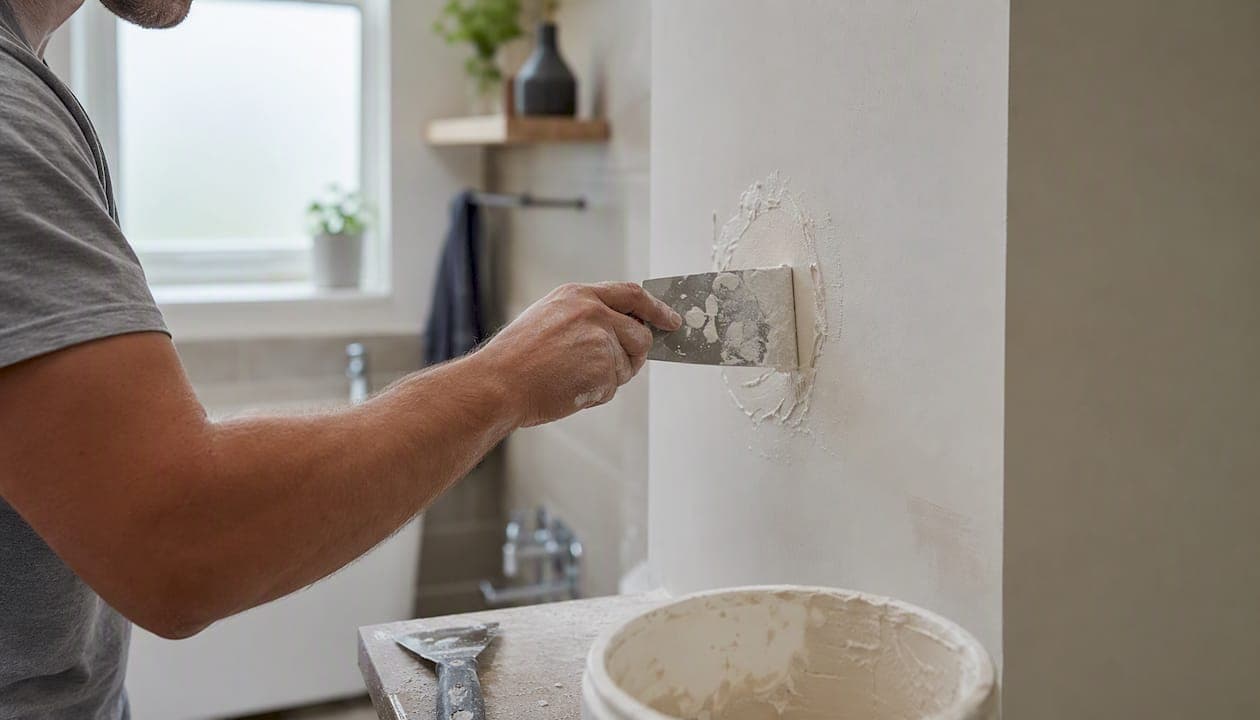
Most drywall repairs run between $296 and $927, averaging around $611 nationally, according to HomeAdvisor. Small holes tend to cost less; repairs involving ceilings, water damage, or texture matching typically increase cost significantly. Before you book anyone, inspect for hidden moisture or mold, and collect three written quotes. Trupainting LLC serves Lake County and Central Florida homeowners who want that estimate done right the first time.
Key Takeaways
Drywall repair costs mostly track two things: how much labor the job needs and whether texture or paint matching is involved.
| Point | Details |
|---|---|
| National average sits near $611 | Most jobs range from $296 to $927 depending on size and location, per HomeAdvisor. |
| Labor drives the bill | Labor typically makes up about 70% of total cost, so hourly rates matter more than material choice. |
| Ceilings and water damage cost more | Scaffolding, texture matching, and moisture checks push these jobs toward $900 to $1,600 to $1,550+. |
| Get three written, itemized quotes | Compare texture, paint, and warranty terms line by line before choosing a contractor. |
| Trupainting LLC offers itemized inspections | Homeowners in Lake County and Central Florida get a written scope and timeline before work begins. |
Table of Contents
- Drywall Repair Cost by Type of Damage
- What's Actually Included in a Drywall Repair Quote
- How to Calculate Your Drywall Repair Cost by Size
- What Drives Drywall Repair Prices Up or Down
- DIY vs. Hiring a Pro for Drywall Repair
- How to Get an Accurate Drywall Repair Quote
- How Long Does Drywall Repair Take?
- When to Repair vs. Replace Drywall
- What Contractors Actually See on Site
- A Homeowner's Checklist Before You Book a Repair
- Request an Estimate for Your Drywall Repair
- Frequently Asked Questions
- Sources
Drywall Repair Cost by Type of Damage
The price tag depends almost entirely on what kind of damage you're dealing with. A nail hole and a water-stained ceiling patch are not the same job, and quotes reflect that gap.
These figures track closely with what AllBetterApp's 2026 pricing guide and Fixr's ceiling repair data both report.
A few patterns stand out once you compare enough quotes:
- Small, accessible wall holes almost always land at the bottom of the range.
- Anything involving a ceiling, water stain, or textured finish tends to land near the top.
- Whole-wall replacement costs more in total but often costs less per square foot than a single tiny patch.
Pro Tip: Ceilings cost more because contractors need ladders or scaffolding, and matching popcorn or knockdown texture overhead is slower and messier than on a wall. Many contractors also charge a flat minimum trip fee, so a single dime-sized nail hole can cost nearly as much as a small patch job.
What's Actually Included in a Drywall Repair Quote
A quote isn't just "drywall." It's a stack of line items, and understanding each one helps you compare bids that look wildly different for the same job.
- Labor: cutting out damaged board, taping, mudding, sanding, and cleanup.
- Materials: drywall sheet or patch, joint compound, tape, screws, and primer.
- Texture matching: blending new drywall into existing wall or ceiling texture.
- Painting: spot-priming or full-wall repainting to hide the repair line.
- Disposal and cleanup: hauling debris and vacuuming dust.
- Travel or minimum fee: covers small jobs that don't justify a standard hourly rate.
Labor is the biggest slice of nearly every invoice. HomeAdvisor estimates labor accounts for roughly 70% of total drywall repair costs, with materials making up a comparatively small portion of the bill. That's why two quotes with similar material lists can still differ by hundreds of dollars: one contractor's hourly rate or region simply runs higher.
Pro Tip: Ask every contractor to itemize texture matching and paint separately from the base repair. That's the only way to know whether you're comparing apples to apples.
How to Calculate Your Drywall Repair Cost by Size
Pricing usually scales in one of two ways: a flat per-patch rate for small jobs, or a per-square-foot rate once the damage gets larger. Angi reports contractors commonly charging $50 to $75 per square foot for some repair types, while Homewyse's calculator shows national per-patch averages around $297 to $472 once labor and setup are factored in.
Here's the math behind three common scenarios:
- Single small patch (under 4 inches): Materials run about $10 to $20; labor and the minimum trip fee bring the total to roughly $150 to $250, even though the hole itself is tiny.
- Medium patch (10 square feet): At $50 to $75 per square foot for a repair of this size, expect $500 to $750 total, covering cutting, taping, texture, and a coat of paint.
- Full wall replacement (32 square feet): Material costs (drywall sheets, compound, tape) might total $80 to $120, but labor, texture, and repainting the whole wall push the finished cost to $900 to $1,600.
A simple formula to keep in your notes: (square footage × per-sq-ft rate) + texture/paint add-on + minimum trip fee (if applicable) = estimated total. Run that math against every quote you receive, and you'll spot the outlier fast.
What Drives Drywall Repair Prices Up or Down
Quotes for what looks like "the same repair" can vary by hundreds of dollars, and it's rarely random. A handful of factors decide where you land in the price range.
- Damage size and depth: larger or deeper holes need more framing support and drying time.
- Wall vs. ceiling: ceiling work adds scaffolding, safety gear, and slower texture matching.
- Texture type: knockdown, orange peel, and popcorn each require different tools and skill.
- Accessibility: stairwells, high ceilings, and furniture-packed rooms slow everything down.
- Moisture or mold: any hint of water damage adds inspection and remediation costs.
- Hidden framing or insulation damage: discovered only once the wall is opened.
- Permits: rarely needed for patches, but required for major structural removal.
- Rush scheduling: emergency or same-day requests usually carry a premium.
Location matters too. Fieldcamp's contractor data notes urban markets commonly run 25% to 40% higher than rural ones, largely because labor rates and overhead differ by region, a pattern BLS wage data backs up across construction trades generally. Specialty materials like moisture-resistant green board or sound-dampening panels also add a premium over standard drywall.
Pro Tip: Get the texture and paint scope written into the estimate before work starts. Vague scopes are where "surprise" change orders come from.
DIY vs. Hiring a Pro for Drywall Repair
Nail holes and small dents are fair game for a weekend project. A drywall repair kit costs roughly $8 to $30 in materials, and for cosmetic dings, that's often money well spent.
Anything bigger deserves a second look. Ceiling repairs, texture matching, water damage, and mold all require tools, drying knowledge, and finish skills that take years to get right. A visible seam or mismatched texture is the most common DIY regret, and fixing a bad patch later usually costs more than hiring a pro the first time.
- DIY-friendly: nail holes, small dents, hairline cracks.
- Leave to a pro: ceiling patches, texture matching, water-damaged drywall, mold-affected sections, anything near electrical.
| Repair Size | DIY Kit Cost | Pro Quote (Materials + Labor) |
|---|---|---|
| Small hole | $8–$30 | $150 to $250–$150 |
| Medium patch (10 sq ft) | $8 to $30 | $500–$750 |
Small jobs handled by a professional typically use $25 to $75 in materials, with the rest of the invoice covering labor, texture, and finish quality that a DIY kit can't replicate.
Pro Tip: If you've got three or four small dings around the house, ask your contractor to bundle them into a single visit. Batching patches together is one of the easiest ways to dodge the per-trip minimum fee.
How to Get an Accurate Drywall Repair Quote
A written, itemized estimate is the only way to compare bids fairly, and it protects you if something goes wrong mid-job. Ask each contractor these questions before they start:
- Will texture be matched, and is that included in the price?
- What's the paint scope, spot-touch or full wall?
- How many drying cycles does the job need, and how does that affect the timeline?
- Is there a written warranty on the patch?
- Are permits needed for this scope of work?
- Can you show proof of insurance and a couple of local references?
Watch for these red flags before you sign anything:
- A flat fee that seems far below every other quote.
- No itemized breakdown of labor, materials, and texture.
- A large upfront deposit before any work begins.
- No proof of insurance or refusal to share local references.
A short message like this works well by email or text: "Can you send a written scope covering texture matching, paint, and estimated timeline before we schedule?" Our contractor selection checklist walks through more vetting questions worth asking.
Pro Tip: Ask to see photos of similar finished work and get any warranty in writing, not just a verbal promise.
How Long Does Drywall Repair Take?
Most small jobs run one to three days once you factor in drying time: cut and patch, tape and mud, dry, sand, prime, then paint. Larger jobs or multiple rooms can stretch to a week. Permits are rarely needed for a patch, but they can apply when repairs expose electrical or plumbing lines or involve major wall removal.
- Small patch: same-day to two days, including drying.
- Ceiling or large wall job: three to five days.
- Multi-room or water-damage repair: up to a week or more.
Pro Tip: Ask your contractor to note expected return visits in writing so drying time doesn't catch you off guard.
When to Repair vs. Replace Drywall
A patch makes sense for isolated damage. Replacement becomes the smarter call once you hit certain red lines: structural framing or insulation damage, an active leak, widespread mold, or a repair that's already failed once before.
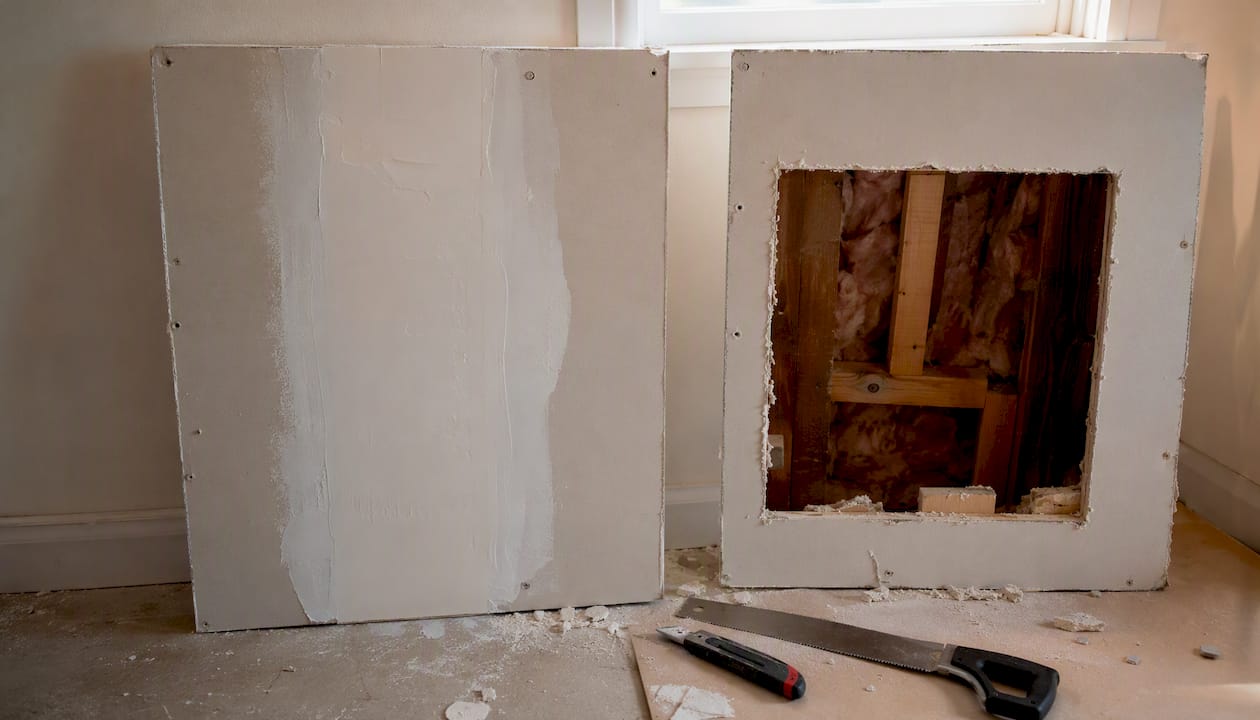
A few special cases deserve extra caution. Popcorn ceilings in homes built before the 1980s can contain asbestos, so testing matters before any sanding or removal. Bathrooms, laundry rooms, and other moisture-prone spaces do better with green or purple board instead of standard drywall. Soundproof or fire-rated panels, like QuietRock, cost more upfront but solve problems standard drywall can't.
The root cause always comes first. This Old House warns that patching over an active leak without fixing the source guarantees you'll pay for the same repair again, often with mold remediation added to the bill.
Pro Tip: Never authorize cosmetic repairs until the leak or humidity source is confirmed fixed. It's the single most common reason homeowners pay twice for the same wall.
What Contractors Actually See on Site
Estimates given over the phone or from a photo are almost always the starting point, not the final number. Homewyse notes that initial estimates are often "basic" and tend to rise once a contractor opens the wall and finds site-specific conditions.
That's the most common surprise in this trade: hidden water damage behind what looked like a simple hole. Document what you see with photos, and flag any past leaks before the estimate is finalized.
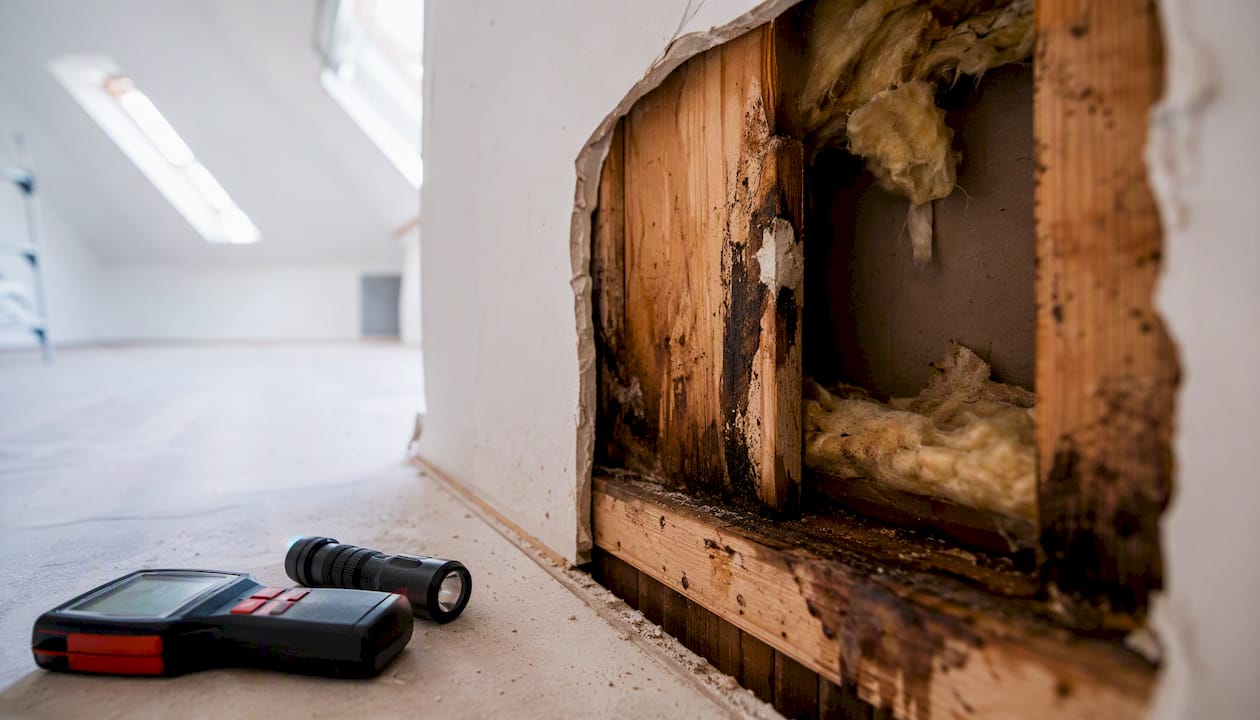
Pro Tip: Mention any known leak history upfront, even old ones. It changes what a contractor checks for before they quote.
A Homeowner's Checklist Before You Book a Repair
Before you call anyone, do a five-minute walk-through: take photos of the damage, note whether the wall or ceiling has texture, measure the patch size, list any recent leaks nearby, and line up three quotes for comparison.
That prep pays off the moment a contractor arrives. Trupainting LLC's first visit includes a full inspection, an itemized written quote, and a realistic timeline before any work begins. We've built our reputation on thorough prep and premium materials, not on being the cheapest name in Lake County. A fair price paired with a repair that actually holds up beats a rock-bottom bid that needs redoing in a year.
Request an Estimate for Your Drywall Repair
Getting a real number for your project shouldn't require guessing at averages online. Trupainting LLC gives Lake County and Central Florida homeowners an on-site inspection and a written, itemized quote, no vague flat fees, no surprise change orders once the wall is open.
When you reach out, we'll walk the damage with you, note whether texture matching or a full repaint makes sense for the finish you want, and give you a clear timeline before any work starts. Every quote includes the scope in writing and our aftercare guidance, so you know exactly what you're paying for and what happens if something needs a second look. If the repair is part of a larger interior refresh, our residential interior painting services cover the patch and the paint job in one scheduled visit. Ready to get a number you can actually plan around? Reach out to request your inspection and written estimate today.
Frequently Asked Questions
What is the average cost to patch drywall? A typical patch runs between $150 and $500, depending on size, texture matching, and whether painting is included. Small holes stay near the bottom of that range; ceiling or water-damage patches run higher.
How much does drywall ceiling repair cost compared to a wall? Ceiling repairs usually cost 20% to 40% more than the same size wall repair, largely because of scaffolding, safety setup, and the difficulty of blending texture overhead.
Is drywall repair cost different in Florida? Regional labor rates and humidity-related moisture issues can push Florida quotes higher than the national average, particularly in areas prone to storm damage or high indoor humidity.
How much to repair drywall in a small bathroom with water damage? Water-damaged sections often run $400 to $1,550 or more once moisture testing, mold checks, and moisture-resistant board replacement are factored in.
Can I get an accurate quote without an in-person visit? Photos help for small, simple damage, but an on-site inspection is the only reliable way to catch hidden framing or moisture issues before a final price is set.
Sources
- Cost to Repair Drywall - 2026 Cost Calculator (Customizable)
- Drywall Repair Cost Calculator + 2026 Price Guide
- How Much Does Drywall Repair Cost? 2026 Data | Angi
- Bls