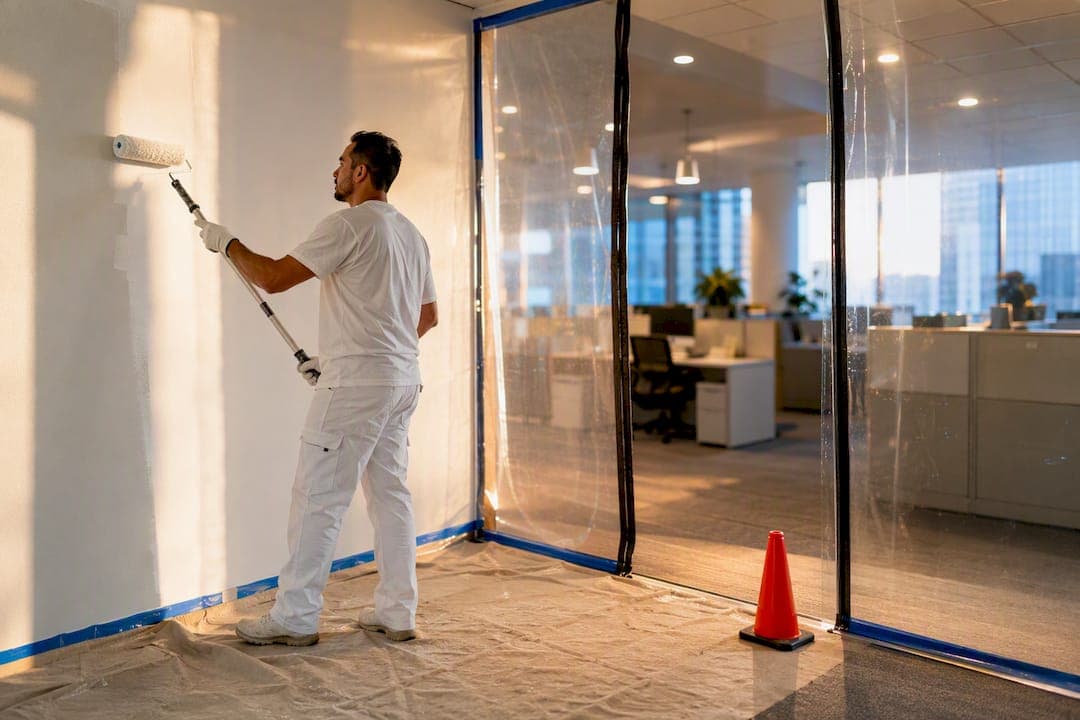
Yes, you can repaint an office while employees keep working, and it comes down to five moves: phased zones, low-odor waterborne paint, tight containment, scheduled off-hours windows, and one point of contact managing daily communication. The EPA's indoor air quality guidance backs the ventilation and source-control side of this. The rest of this guide breaks down exactly how facility managers pull it off, zone by zone.
TL;DR:
- Using phased zones, containment measures, and scheduling during off-hours minimizes office disruption during repainting projects.
- Conducting a detailed zone mapping and matching the schedule to office size ensures smooth workflow without blocking key exits or work areas.
- Low-VOC waterborne paints in matte, satin, or semi-gloss finishes reduce odors, dust, and complaints, especially when walls are fully cured before furniture is replaced.
- Proper containment with HEPA filtration, dust control, and airflow management prevents dust and odor from affecting occupied spaces.
- Clear daily communication, scheduling, and closeout routines help maintain predictable operations and reduce tenant complaints during ongoing repainting.
Table of Contents
- Quick Checklist for a Zero-Disruption Office Repaint
- How Do You Schedule a Phased Office Repaint?
- What Paint Should You Use in an Occupied Office?
- How Do You Control Dust and Odor While Occupied?
- Keeping Daily Operations Predictable During the Project
- What's the Right Order of Operations for Painting?
- Safety Rules That Never Get Skipped
- When Should You Hire a Commercial Painting Contractor?
- Reopening Day: Final Checklist
- What Contractors Get Wrong About Occupied Job Sites
- Tru Painting: How We Keep Your Office Open During the Job
- Sources
- FAQ
Quick Checklist for a Zero-Disruption Office Repaint
Before you call a contractor or block a calendar, run through this list. It's the same framework crews use to keep a business running while walls change color around it.
- Map zones first. Break the office into sections based on traffic and department usage, then decide which get painted after-hours versus during a phased daytime swap.
- Specify the paint chemistry. Ask for low-VOC or zero-VOC waterborne products and scuff-resistant finishes in corridors and shared areas.
- Contain the mess. Zip walls, HEPA-filtered extractors, and sticky walk-off mats keep dust and fumes out of occupied areas.
- Name one contact. A single project manager on your side and one contractor point of contact prevents mixed messages.
- Publish a daily calendar. Staff should know which zone closes tomorrow before they leave today.
- Close out every evening. Clean floors, labeled touch-up kits, and a quick photo log keep the project honest.
How Do You Schedule a Phased Office Repaint?
Scheduling is where most occupied-office projects succeed or fail. Get the zoning wrong and you'll have painters working around desks that never actually cleared out.
- Map zones by traffic and egress, not just floor plan. Walk the space with the contractor and mark high-traffic corridors, department clusters, and every exit route. Paint crews need to know which paths must stay open at all times.
- Match the method to office size. Phased daytime swaps work well in larger offices with hot-desk capacity. A 12,000-square-foot open office kept 80 employees working over a two-week phased schedule by rotating half the staff to the other side of the building while their old desks got painted. Smaller offices, tight corridors, and lobbies usually need after-hours or weekend work instead, since there's no spare capacity to shuffle people into.
- Budget for off-hours premiums. Evening and weekend labor typically costs more per hour than standard daytime rates. That premium buys you a project nobody has to work around.
- Sequence noisy tasks away from wet paint. Sanding, patching, and drywall repair should happen a day ahead of painting, not the same shift, so dust settles before finish coats go on.
What Paint Should You Use in an Occupied Office?
Product choice does more to control complaints than crew speed ever will. Zero-VOC waterborne paints are the baseline for occupied-space work, and the chemistry matters more than any brand name on the can.
- Private offices and conference rooms: eggshell or matte finishes hide wall imperfections and don't reflect glare under fluorescent lighting.
- Corridors and high-touch areas: satin or scuff-resistant finishes hold up to carts, chairs, and daily foot traffic.
- Doors and frames: semi-gloss for durability and easy wipe-down.
- Dark-to-light color changes or patched drywall: always prime first, or the new color will look patchy under office lighting.
Statistic Callout: Commercial repaint guides consistently list low-odor, waterborne, zero-VOC products alongside containment and off-hours scheduling as the primary tactics for minimizing tenant disruption during occupied projects.
One distinction trips up a lot of facility managers: dry to the touch is not the same as cured. Walls can feel dry within hours, but full cure, when the finish resists scuffs and burnishing from furniture, takes longer. Don't push desks and file cabinets back against a wall just because it looks finished.
How Do You Control Dust and Odor While Occupied?
Containment is the difference between a project staff barely notices and one that generates daily complaints. Zip walls and sealed doorways isolate the work zone. Sticky walk-off mats at every entry point catch dust before it travels down the hall. Protected walkways, laid with builder's paper or plastic sheeting, keep foot traffic from tracking debris into finished areas.
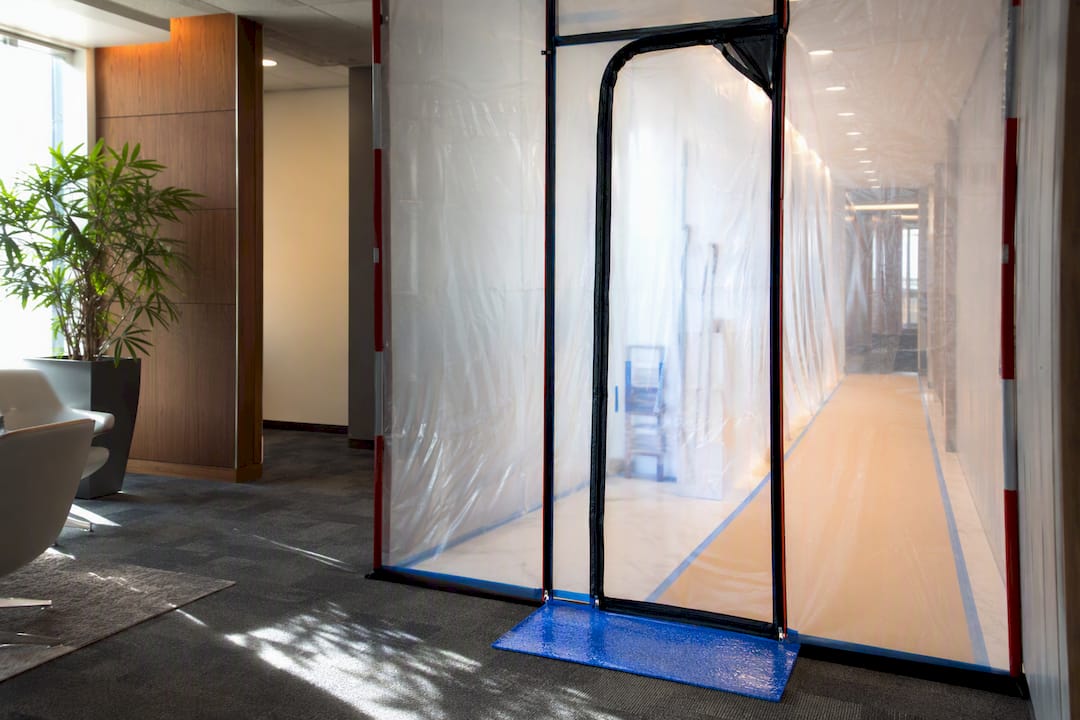
HEPA-equipped sanders and vacuums handle the dust side, and a daily cleanup routine at the end of each shift keeps common areas usable the next morning. For odor, air scrubbers and portable fans speed clearing considerably faster than open windows alone. Learn more about how paint smell dissipates over a typical timeline if occupants ask.
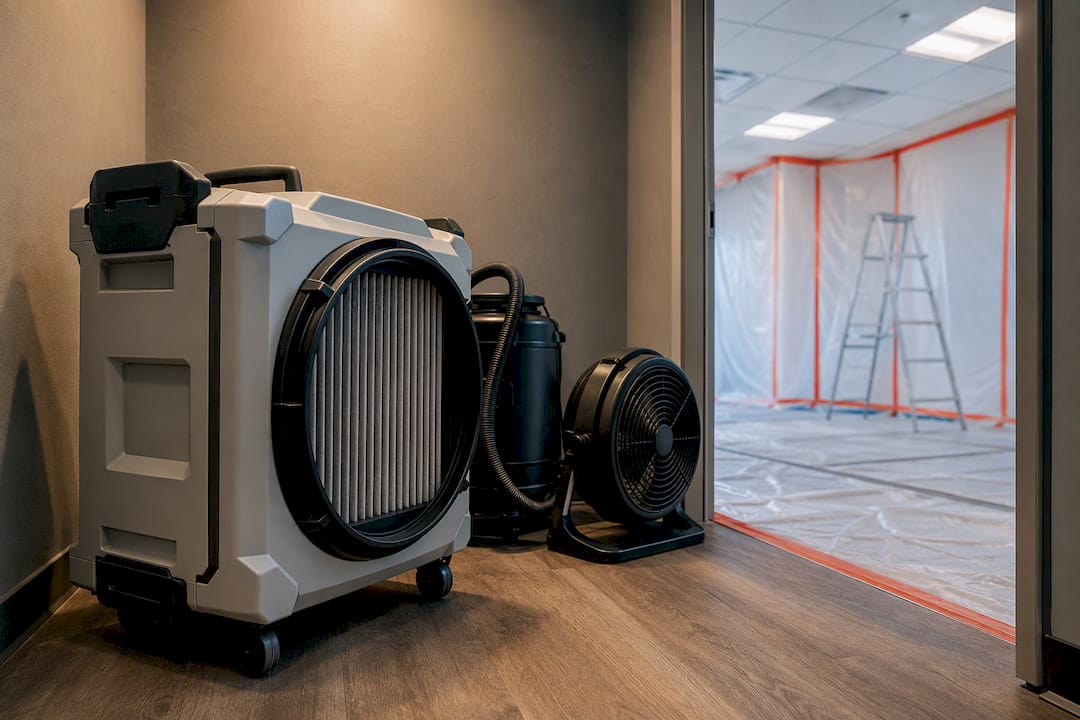
Pro Tip: Negative-air setups and large air-handler changes can shift building pressure and trigger fire alarms or door behavior nobody expects. Always loop in building engineering before running one, not after.
The EPA recommends controlling pollutant sources and increasing ventilation during any renovation activity, which lines up exactly with what containment and air scrubbing are designed to do.
Keeping Daily Operations Predictable During the Project
Predictability is what actually reduces complaints, more than speed does. Phasing, containment, and daily communication consistently outperform raw crew speed at keeping operations running smoothly.
- Designate one internal project manager and one contractor point of contact so questions don't bounce between five people.
- Publish daily calendars and post clear signage at zone entrances, with a digital notice sent the afternoon before each shift.
- Protect walkways, label furniture that's been moved, and stage materials somewhere that never blocks an exit.
- Coordinate elevator reservations, trash pickup, and janitorial turnover so the crew isn't fighting building schedules. A guide on how painters clean up after a job shows what that closeout should look like.
What's the Right Order of Operations for Painting?
- Ceiling first, then walls, then trim, then doors. This order lets drips and overspray get covered by the next coat instead of showing through the final finish.
- Sand with HEPA extraction, not open sanding. Sanding complaints often outnumber paint-odor complaints in occupied buildings, so targeted spot repairs with dust-collection tools matter more than most managers expect.
- Respect coat counts and dry times. Most jobs need two coats with a few hours between them; furniture only goes back once the wall has had a real cure window, not just a dry-to-touch check.
- Photo-document every zone before reopening. A simple acceptance checklist and daily photo reports reduce disputes after reopening and keep touch-up volume low.
Corridors painted Friday evening get a full 48-hour weekend cure before Monday traffic returns, which cuts the risk of chairs and carts burnishing the fresh finish.
Safety Rules That Never Get Skipped
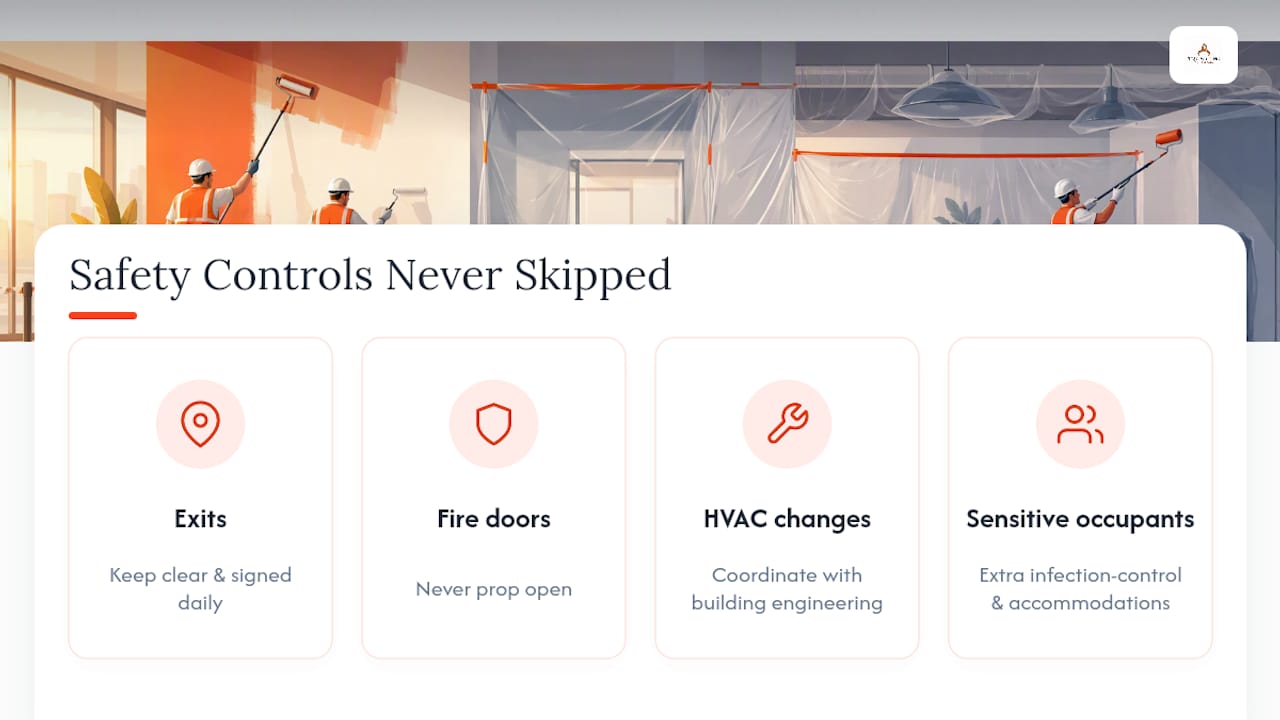
Exits and accessible routes stay clear and properly signed, every single day of the project, no exceptions. Fire doors never get propped open, and any HVAC or pressure change gets coordinated with building engineering first. Healthcare offices, childcare centers, and retirement communities need extra infection-control steps and sensitive-occupant accommodations. If your building falls into that category, our retirement community painting guidelines cover what changes. The EPA's ventilation guidance applies directly here too.
When Should You Hire a Commercial Painting Contractor?
Scale, complexity, and sensitive occupants are the three signals that say "hire a pro" instead of managing it internally. A single conference room might be a DIY weekend project. A multi-floor office with 80 people and a working IT department is not.
When you request quotes, require a phased schedule in writing, a documented IAQ and containment plan, and proof of insurance before signing anything. Ask bidders specifically for references from occupied-site jobs, not just vacant renovations, since the skill sets are different. Our commercial interior painting services page and our contractor selection checklist both walk through what a solid bid should include.
Reopening Day: Final Checklist
Verify every surface is tack-free, clear walkways of remaining equipment, and pull down wet-paint signage before staff arrive. Keep a color-by-room log and a labeled touch-up kit on hand for scuffs. Hold off on regular cleaning products for the first couple of weeks; a damp cloth is usually enough while the finish fully cures.
What Contractors Get Wrong About Occupied Job Sites
Most disruption complaints trace back to a scheduling failure, not a paint smell. Crews that skip zoning and just "work through it" generate more churn than the slowest properly phased job. I've seen anonymized case notes where a two-week zone rotation kept a full department productive, while a rushed one-weekend attempt on the same square footage left half the furniture displaced for a month. Plan the sequence before you plan the paint color.
— Kyle
Tru Painting: How We Keep Your Office Open During the Job
Tru Painting is the alternative to guessing your way through a repaint. We build the phasing plan, the containment strategy, and the daily closeout routine into every commercial job, so your team keeps working while we work. Our Cosmetic Refresh, Enhanced Prep & Durability, and Maximum Prep & Protection tiers let you match the level of prep and protection to your budget without guessing at what's included.

When you request a quote, ask for a written phasing plan, our IAQ and containment approach, and a daily closeout report format before you compare pricing. We'll also flag any staging needs around office furniture ahead of time; if your project involves built-ins or storage systems, Classy Closets' commercial office cabinetry work is worth a look for coordinating that side of the project. Visit our commercial interior painting page or reach out through Trupaintingllcfl to get a scoped quote for your Lake County or Central Florida office.
Sources
- EPA — Indoor Air Quality (IAQ)
- Artisan Painting — Strongsville open-office phased commercial painting
FAQ
Can I Live or Work in a Space While It's Being Painted?
Yes, with the right setup. Phased zoning, containment barriers, and zero-VOC waterborne paint let people keep working in unaffected areas while painters finish one zone at a time.
How Long Are Paint Fumes Actually a Problem?
Odor from low-VOC paints typically clears within a day or two with proper ventilation, though full cure takes longer than the smell does. Our paint smell timeline guide breaks down what to expect hour by hour.
Do I Have to Repaint When a Lease Ends?
Lease-end repainting obligations depend on your specific lease terms, not a universal rule, so check the agreement's condition clause before assuming either way. Commercial leases vary widely on who bears that cost.
Can a Landlord or Building Owner Refuse to Let Tenants Repaint?
Building owners generally can restrict paint colors, products, or contractors through lease terms or building policy. Always confirm with property management before scheduling any work, especially in multi-tenant buildings with shared systems.
What Does Tru Painting Charge for Commercial Interior Work?
Pricing depends on square footage, prep needs, and which service tier you choose. Current rates aren't published, so request a quote directly through Trupaintingllcfl for an accurate number on your space.