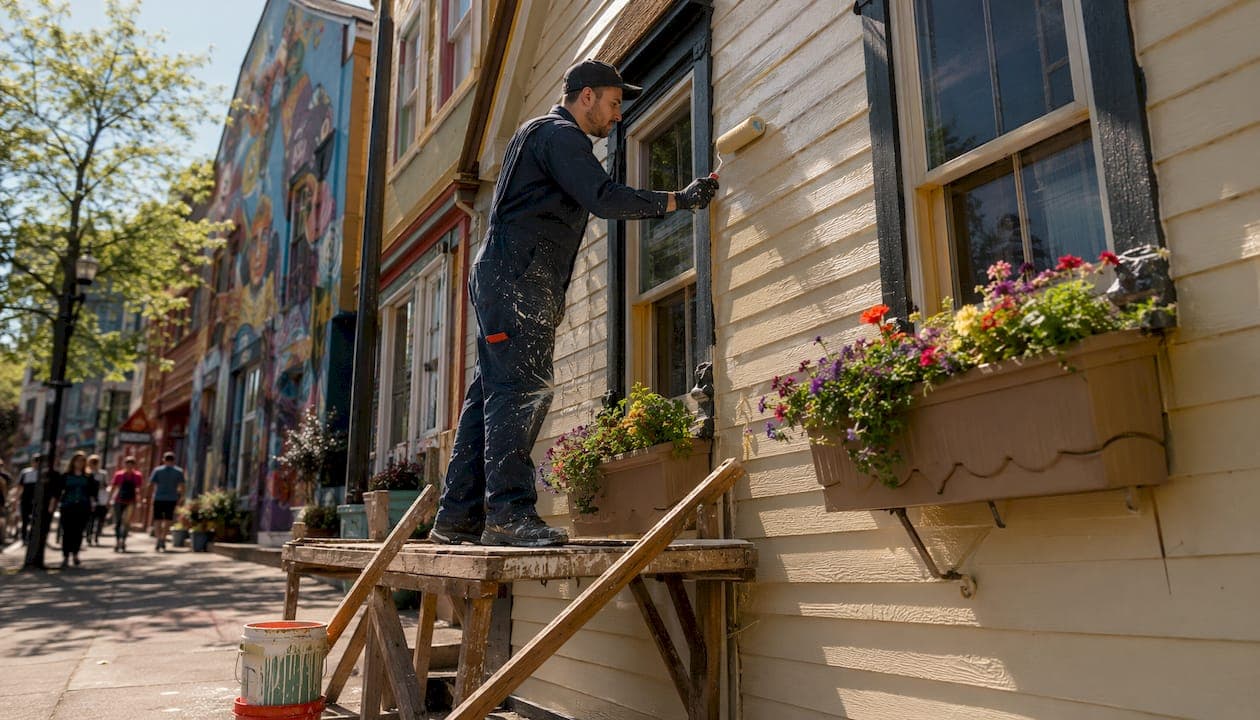
Weather is the single biggest variable in any exterior painting project, and getting it wrong costs you far more than a repaint. The role of weather in exterior painting comes down to four factors: temperature, humidity, precipitation, and wind. Each one directly affects how paint bonds, dries, and cures on your home's exterior surfaces. Here is what every homeowner and property manager needs to know before scheduling a single brush stroke.
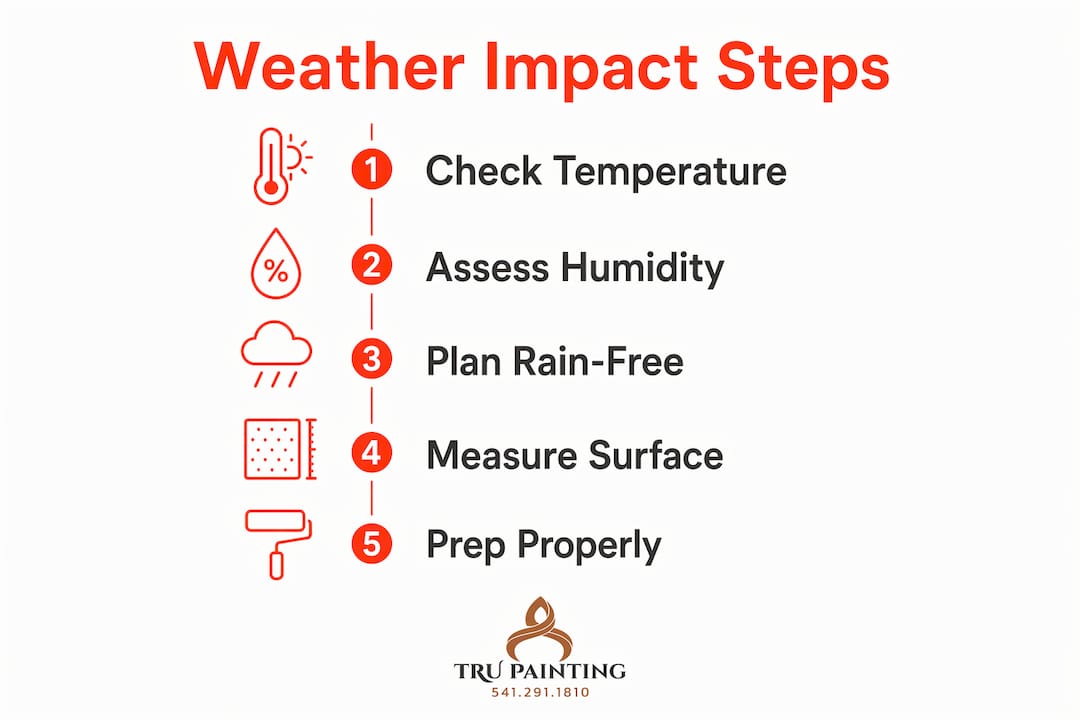
- Temperature: Most exterior paints perform best between 50°F and 90°F, with specialized cold-weather formulas rated down to 35°F.
- Humidity: The optimal range is 40%–70% relative humidity. Above 85%–90%, drying slows and defects like surfactant leaching appear.
- Rain: Latex and acrylic paints need a rain-free window of at least 4–8 hours; oil-based paints require 12–24 hours.
- Wind: Light breezes under 8–10 mph can help drying, but speeds above 15 mph introduce debris, cause uneven drying, and create safety hazards.
- Overnight lows: Paint needs overnight temperatures above 40°F for proper film formation during the first 24 hours after application.
- Surface temperature vs. air temperature: These two readings can differ dramatically, and surface temperature is what actually governs adhesion.
- Technical Data Sheets (TDS): Every paint product publishes specific weather limits. Following them is not optional if you want a finish that lasts.
How temperature shapes every exterior paint job
Temperature controls the chemistry of paint drying and curing from start to finish. When it is too cold, the binders in latex paint cannot coalesce properly, and the film looks fine at first but cracks or peels within months. When it is too hot, paint dries almost on contact before it can flow and level, leaving blistering, brush marks, and lap lines across your walls.
The standard working range for most exterior latex and acrylic paints is 50°F to 90°F. Specialized formulas can handle temperatures as low as 35°F, which is useful for extending the painting season in fall. But air temperature alone does not tell the full story.
Surface temperature often runs significantly hotter than the surrounding air, especially on dark siding or walls that have been sitting in afternoon sun. A wall in direct sunlight can easily reach temperatures far above what the air thermometer reads, and paint applied to an overheated surface dries almost instantly, preventing proper adhesion and causing bubbling. Surfaces that are significantly hotter than ambient air temperature are generally too hot to paint., regardless of what the weather app says.
Overnight lows matter just as much as daytime highs. Paint needs stable temperatures above 40°F for at least the first 24 hours after application. A warm afternoon followed by a cold night can halt film coalescence and allow moisture to seep into the uncured paint, causing staining and adhesion failures down the road.
Pro Tip: Use the hand-touch test as a quick field check: if you cannot comfortably hold your palm flat against the wall for a few seconds, the surface is too hot to paint. An infrared thermometer gives you a precise reading in seconds and is available at most hardware stores for under $20.
Why humidity and atmospheric moisture can ruin a fresh coat
Humidity and paint drying are closely linked, and both extremes cause problems. High humidity can slow moisture release from the paint film, leading to defects such as surfactant leaching, where water-soluble components migrate to the surface and leave white or brown stains. Moderate relative humidity provides most exterior paints with suitable conditions to dry and cure cleanly.
Very low humidity creates the opposite problem of drying too quickly and producing defects. Paint dries too fast in hot, arid conditions, producing brush marks and uneven sheen, the same defects you get from painting in extreme heat. This is a real concern during dry heat waves in states like Arizona or Nevada.
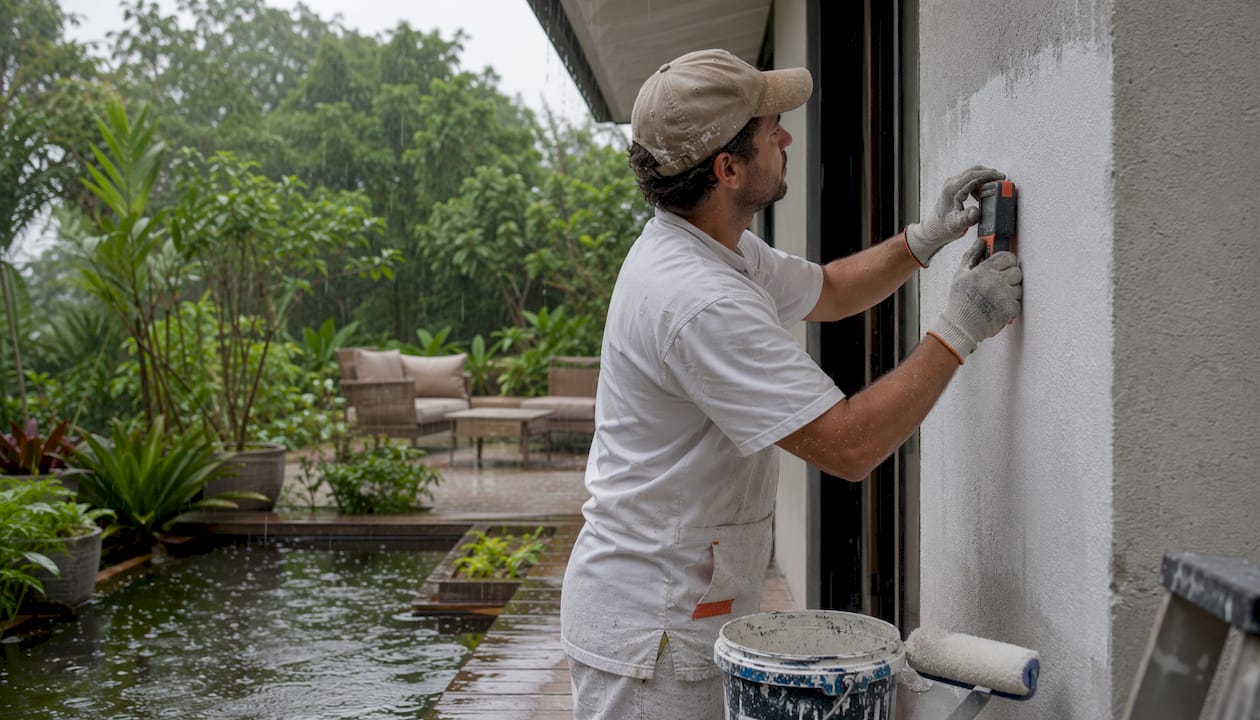
Humidity also governs the dew point, which is the temperature at which moisture begins to condense on surfaces. Painting on a surface at or below the dew point is essentially painting over invisible condensation. Adhesion will fail, and no amount of careful brushwork will save it. The 5°F rule addresses this directly: surface temperature must stay at least 5°F above the dew point throughout application.
Monitoring humidity at the work surface matters more than checking a weather station miles away. A handheld hygrometer gives you an accurate local reading and costs very little. Always cross-reference the humidity thresholds in your paint's Technical Data Sheet, because tolerances vary by product.
Key insight: High humidity or moisture exposure significantly extends drying times and raises the risk of surfactant leaching, staining, and adhesion failures on freshly painted surfaces.
Planning rain-free windows for your exterior painting project
Rain is the most obvious weather threat to a fresh paint job, but the timing is what catches most homeowners off guard. Latex and acrylic paints require several hours without rain to develop sufficient film hardness. Oil-based and alkyd paints require a longer period without moisture to cure properly. Even a light shower within that window can wash away or permanently damage uncured paint.
Wet or damp surfaces before painting are just as problematic. Moisture trapped under a fresh coat prevents adhesion regardless of what the weather does afterward. Always confirm surfaces are completely dry before you start, and avoid painting the day after heavy rain.
Forecasting matters, but it is not foolproof. Build scheduling buffers into any exterior project, especially during spring and fall when afternoon showers are common in Florida and across the Southeast. Adding contingency days to your project timeline reduces the pressure to paint in marginal conditions.
Pro Tip: Document the forecasted rain-free window in your project proposal. It sets clear expectations with clients or contractors, and it gives you a paper trail if weather causes delays or disputes.
Seasonal patterns shape rain risk in a real way. Spring brings the highest frequency of unpredictable showers in Central Florida, while fall offers more stable windows. Knowing your local pattern helps you schedule smarter rather than reacting to surprises.
How to schedule and prep your exterior painting project around the weather
Good scheduling starts with confirming stable conditions both day and night, not just at the moment you plan to start. Check that overnight lows will stay above 40°F for at least 24 hours after application, and that daytime highs will remain within the 50°F–90°F range throughout the project.
Use on-site tools rather than relying on a weather app alone. An infrared thermometer confirms actual surface temperature before you open a can of paint. A hygrometer tells you the real humidity at the work surface. These two tools together take the guesswork out of weather assessment and help you catch conditions that a forecast would miss.
Direct sunlight is one of the most overlooked hazards in exterior painting. Paint applied to a sun-baked wall can flash dry before it has time to level, leaving bubbles and lap marks. Professional painters follow the shade around the house, working on the north or east side in the morning and moving to shaded sections as the day progresses.
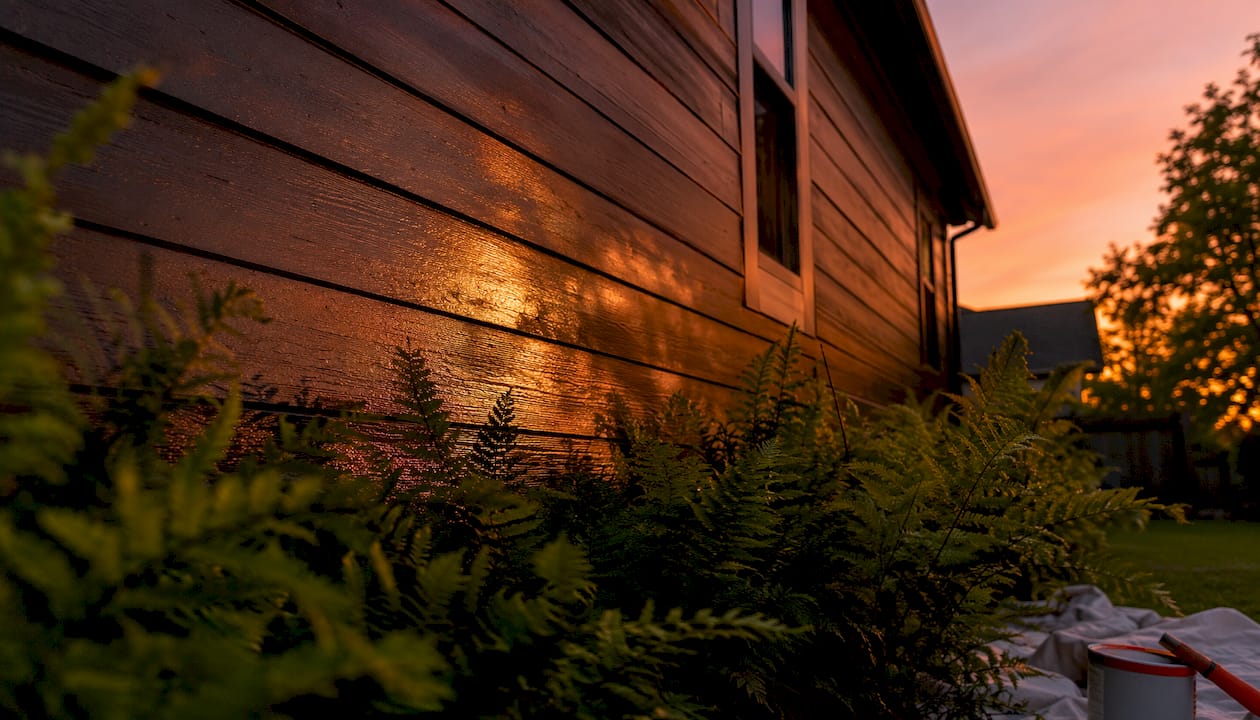
Wind deserves attention too. Light breezes can help drying in humid conditions, but stronger winds can blow debris into wet paint, cause uneven drying, and pose safety risks. Check wind forecasts alongside temperature and humidity before committing to a start time.
Thorough surface preparation is the foundation of any weather-resistant paint job. Clean, dry surfaces free of grime, mildew, and loose paint give the coating the best possible base. Prepping exterior walls correctly before painting, including professional pressure washing to remove contaminants, is just as important as picking the right weather window. Spring and fall remain the most reliable seasons for exterior painting across most of the United States, as Consumer Reports notes, because temperatures are mild and the sun is not strong enough to overheat surfaces.
Expert standards for weather assessment and lasting paint results
Professional painters treat weather assessment as a documented process, not a gut check. Before each job, they record air temperature, surface temperature, humidity, dew point, and wind speed. That log protects the project and gives them a clear record if a warranty question arises later.
The 5°F dew point rule is a non-negotiable standard in professional practice. Surface temperature must exceed the dew point by at least 5°F throughout the entire application window, not just at the start. Conditions can shift during a long workday, so periodic checks matter.
Surface temperature measurement takes priority over air temperature because of thermal gain. Dark or sun-exposed materials absorb heat and can run significantly hotter than the surrounding air. Relying on an air thermometer alone is one of the most common mistakes on exterior jobs, and it leads to paint failures that show up weeks or months later.
Wind above 15 mph creates overspray, uneven drying called skinning, and genuine safety hazards for anyone on a ladder or scaffolding. Scheduling around wind forecasts is as important as scheduling around rain. Benjamin Moore's technical guidance and product Technical Data Sheets provide specific application windows for each formula, and following them strictly is the most reliable way to avoid premature paint failure.
Pro Tip: Keep a site conditions log with photos for every exterior job. It documents that you followed best practices and gives you solid evidence if a paint failure claim comes up later.
Key Takeaways
Weather conditions determine whether an exterior paint job lasts years or fails within a single season, making temperature, humidity, rain timing, and wind speed the four factors every homeowner must verify before starting.
| Point | Details |
|---|---|
| Optimal temperature range | Apply exterior paint between 50°F and 90°F; overnight lows must stay above 40°F for 24 hours after application. |
| Humidity sweet spot | Keep relative humidity between 40% and 70%; above 85%–90% causes surfactant leaching and adhesion failures. |
| Rain-free curing window | Latex paints need 4–8 hours without rain; oil-based paints require 12–24 hours before moisture exposure. |
| Surface vs. air temperature | Surface temperature can run far above air temperature on sun-exposed walls; always verify with an infrared thermometer. |
| Dew point rule | Surface temperature must stay at least 5°F above the dew point to prevent invisible condensation and adhesion failure. |
Ready to get your exterior painted the right way?
Weather planning is built into every project Trupainting LLC manages in Lake County and Central Florida. We check surface temperatures, humidity, dew point, and wind before any coat goes on, and we schedule around rain-free windows so your finish cures properly and lasts. Whether you need residential exterior painting for your home or a full commercial exterior coating for your property, our team brings the preparation and expertise to get it done right the first time.

Contact Trupainting LLC today to schedule your free estimate and let us handle the weather planning for you.