
Many homeowners pay a typical per square foot rate for professional interior paint jobs, which can result in a broad range of total costs depending on home size, scope, prep needs, and finish level. The national average for a full interior repaint lands around $2,022 according to Angi's analysis of real project data, though that figure reflects modest scopes. Complex projects with high ceilings, extensive trim, or significant repairs push well above it.
Here is a quick-reference snapshot before you dig into the details:
- Per square foot rates for professional interior painting in 2026 typically run $2–$6 depending on surfaces painted and coats applied.
- Smaller homes and rooms can cost significantly less than larger mid-range projects.
- Regional cost differences affect pricing, especially in higher-cost metropolitan areas.
Online calculators are a useful starting point, but a professional walkthrough with an itemized written quote is the only way to get a number you can actually budget from. Variables like ceiling height, surface condition, and color-change severity are site-specific and cannot be captured in a formula. Schedule a professional walkthrough before committing to a budget.
Table of Contents
- How interior painting cost is calculated: per square foot, per room, and per project
- What actually drives your interior paint job cost up or down
- Labor vs. materials: where your money actually goes
- How long does an interior painting project take?
- DIY vs. hiring a pro: a clear-eyed cost comparison
- How to get an accurate estimate from a painting contractor
- Worked examples and a lightweight estimator
- Practical ways to reduce cost without hurting the final result
- Why Trupainting LLC delivers lasting value for Central Florida homeowners
- Key Takeaways
- What painters actually see that online calculators miss
- Request a no-cost walkthrough and itemized estimate from Trupainting LLC
- Useful sources and further reading
How interior painting cost is calculated: per square foot, per room, and per project
Painting contractors use three common pricing models, and understanding which one applies to your quote helps you compare bids accurately.
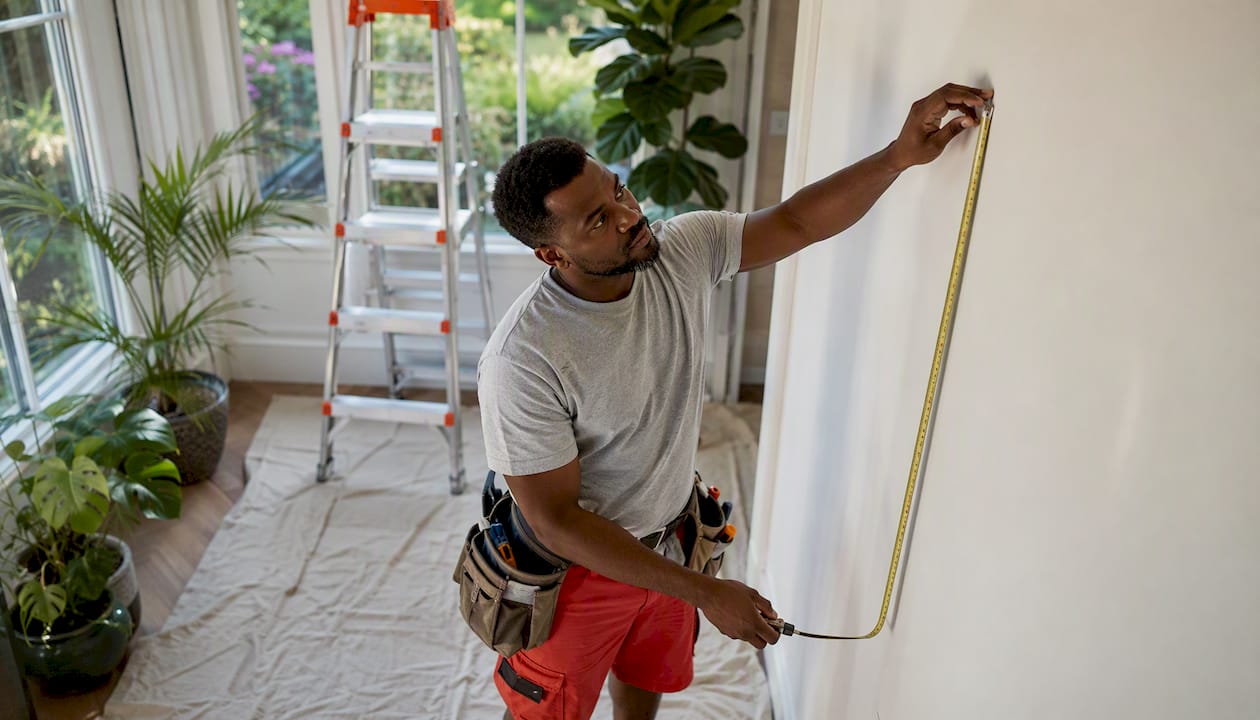
Per square foot is the most common model for whole-house estimates. It uses the floor area of the home as a proxy for paintable wall surface, typically multiplying floor square footage by a factor of 1.5–2.0 to estimate total wall area. This model works well when a contractor is pricing an entire home or multiple rooms in one visit.
Per room pricing is common for smaller scopes. A contractor quotes a flat price per room based on a standard room size assumption, then adjusts for ceiling height, trim count, and condition. Per-room pricing suits homeowners with standard-sized rooms, while per-square-foot works better for whole-house estimates where room count and layout vary.
Per project is a lump-sum bid based on a full walkthrough. It is the most accurate model because the contractor has seen the actual surfaces, measured the trim, and assessed prep needs before committing to a number.
Pricing examples for various scopes and home sizes illustrate typical cost brackets, with assumptions of standard paint coats, ceiling heights, and minimal prep.
These figures reflect national averages. Room-by-room pricing data shows small bedrooms often land under $1,000 while living spaces commonly run $700–$1,700 depending on trim and ceiling work. Your local market, especially in a high-cost metro, can push those numbers 20–40% higher.
What actually drives your interior paint job cost up or down
Square footage is the starting point, not the whole story. Labor complexity is the real price driver, and several variables add hours to a job far faster than extra wall area does.
High-impact factors:
- Surface prep and repairs: Patching holes, skim-coating damaged drywall, sanding glossy surfaces, and caulking gaps all add labor before a brush touches the wall. Prep is frequently underbid on low-price quotes and shows up later as change orders.
- Ceiling height and two-story entries: Standard 8–9 ft ceilings roll quickly. Vaulted ceilings, two-story foyers, and stairwells require ladders, scaffolding, or extension poles, adding both time and equipment cost.
- Trim, doors, and cabinets: Trim and baseboards proceed at 40–80 linear feet per hour compared to 250–400 sqft per hour for rolling walls. A home with extensive crown molding, window casings, and multiple doors can double the labor hours relative to its floor area.
- Color change severity: Going from a dark accent wall to a light neutral requires extra coats and sometimes a tinted primer. A same-color refresh with no sheen change is the cheapest scenario.
- Texture and wall condition: Heavily textured walls (orange peel, knockdown, popcorn ceilings) consume more paint and slow application. Popcorn ceiling removal adds a separate line item entirely.
- Access and scaffolding: Stairwells and tall spaces that require scaffold rental add a fixed cost regardless of the surface area involved.
Secondary factors that add to the total:
- Weekend or rush scheduling (some contractors charge a premium)
- Furniture staging and protection when homeowners cannot clear rooms
- Lead paint or asbestos remediation on older homes (requires licensed abatement, priced separately)
- Specialty finishes: venetian plaster, limewash, faux textures, or high-gloss lacquer on trim
Pro Tip: Ask every bidder to itemize prep labor as its own line. A quote that bundles prep into a single "painting" line is hiding the most variable cost in the job. If prep is underbid and the walls need more work than expected, that is where change orders appear.
Labor vs. materials: where your money actually goes
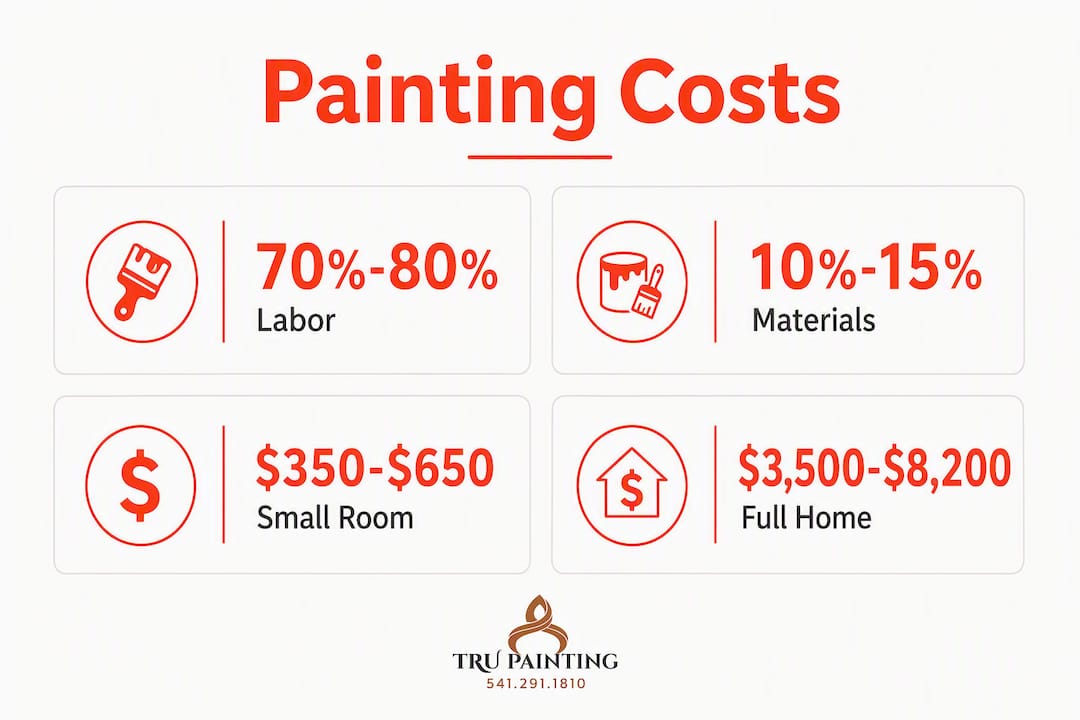
Labor typically accounts for 70–80% of an interior painting quote, with paint and materials representing roughly 10–15%. The remainder covers overhead, equipment, and profit margin.
That labor figure is "burdened," meaning it includes not just the painter's wage but also payroll taxes, workers' compensation insurance, general liability insurance, and equipment costs. A licensed contractor's burdened labor rate is typically $35–$65 per hour per painter, which is why a two-painter crew working two days can account for the majority of a mid-size project's cost.
Paint grade affects material cost meaningfully:
- Economy/builder-grade paint ($25–$40/gallon): Adequate for rental properties or low-traffic spaces, but thinner coverage means more coats and faster repaints.
- Mid-grade paint ($45–$65/gallon): The standard for most residential repaints. Good hide, washability, and a reasonable lifespan.
- Premium paint ($70–$100+/gallon): Better hide, richer pigment load, and longer durability. Premium paints often cover in fewer coats, which can partially offset the higher price per gallon. Discussing paint grade explicitly with your contractor avoids surprises about coat count and coverage.
Primer adds cost when surfaces are new, heavily patched, or changing dramatically in color. Solvent-based trim paints (alkyd or oil-modified waterborne) cost more per gallon than latex wall paint and require more careful application, which adds both material and labor cost to a trim-heavy project. For guidance on how paint quality affects long-term protection, the relationship between upfront cost and repaint frequency is worth understanding before you finalize a paint grade.
How long does an interior painting project take?
Realistic timelines help you plan furniture moves, temporary living arrangements, and room closures. Most homeowners underestimate how much sequencing affects the schedule.
Typical project durations:
- Single room (12×12, walls only): 4–8 hours for a two-person crew, including prep and cleanup
- Single room (walls + ceiling + trim): 1–2 days
- 3–4 room scope: 2–4 days
- Full house, 1,500 sqft: 3–5 days
- Full house, 2,000–2,500 sqft: 5–8 days
- Full house with extensive trim, vaulted ceilings, or repairs: Add 1–3 days
Sequencing constraints extend timelines beyond raw labor hours. Latex paint needs 2–4 hours of dry time between coats; oil-based products need 8–24 hours. High-moisture rooms like bathrooms and kitchens benefit from a longer cure window (5–7 days) before heavy use. Primer must fully dry before topcoats, and final trim coats are typically applied after walls are complete to avoid lap marks.
Scheduling realities to plan for:
- Most contractors book 2–4 weeks out during peak season (spring and fall in Central Florida)
- Weekend work may carry a scheduling premium with some crews
- Booking a full-house project during slower winter months can sometimes improve availability and pricing
For a detailed look at interior painting sequence and what to expect day by day, understanding the order of operations helps you know when rooms will be accessible again.
DIY vs. hiring a pro: a clear-eyed cost comparison
DIY interior painting looks inexpensive until you account for your time honestly. Here is a realistic comparison for a single 12×12 bedroom.
DIY cost breakdown (12×12 bedroom, walls only):
- Paint (1 gallon, mid-grade): $50–$65
- Primer (1 gallon): $30–$45
- Supplies (roller, tray, tape, drop cloth, brushes): $40–$70
- Total materials: $120–$180
- Time investment: 6–12 hours including prep, two coats, and cleanup
Professional installed cost (same room): $350–$650 (typical for a small bedroom in 2026)
The materials savings are real, roughly $200–$500 per room. But DIY materials for a 1,500 sqft interior typically represent 10% or less of a professional installed estimate, and the time investment for a whole house runs 40–80 hours. For most working homeowners, that time has a real cost.
Hire a pro when:
- Ceilings exceed 9 feet or the space has a two-story entry
- The project includes extensive trim, crown molding, or multiple doors
- Walls need patching, skim-coating, or significant prep
- You are making a dramatic color change that requires multiple coats
- You want a warranty on the finished work
- Your schedule does not allow for multiple weekends of disruption
DIY makes sense when:
- You are painting one or two small rooms with light prep
- The color change is minimal (same family, similar sheen)
- You have the time and are comfortable with the process
- The space is low-visibility (a utility room, basement, or closet)
How to get an accurate estimate from a painting contractor
A vague per-room price over the phone is not an estimate. A professional, itemized written quote is the only document you can use to compare bids fairly and hold a contractor accountable. A professional walkthrough is the only accurate way to price a job because variables like ceiling height, repairs, and color change are site-specific.
What a professional estimate should include:
- Surface prep line items (patching, sanding, caulking, priming) listed separately from painting labor
- Paint brand, product name or grade, and number of coats specified per surface
- Surfaces covered: walls, ceilings, trim, doors, and any specialty areas listed individually
- Total gallons of paint and primer (or a material allowance with a stated per-gallon cap)
- Project timeline with start date and estimated completion
- Cleanup and protection procedures (furniture moving, drop cloths, masking)
- Warranty or guarantee terms in writing
- Payment schedule and terms
- Proof of general liability and workers' compensation insurance
- Contractor license number (required in most states)
Questions to ask during the walkthrough:
- What prep work is included, and what triggers a change order?
- Which paint brand and product line are you specifying?
- How many coats are included, and what happens if coverage is insufficient?
- Who will be on-site: your own employees or subcontractors?
- What is your policy if I find issues after the job is complete?
Red flags to watch for:
- No written scope of work, just a verbal price
- Labor line that seems unusually low (often means prep is excluded)
- No proof of insurance when you ask
- Vague or missing change-order policy
- Pressure to sign before you have reviewed the written quote
For a fuller contractor vetting process, the painting contractor selection checklist walks through the full evaluation from first call to signed contract.
Worked examples and a lightweight estimator
These step-by-step examples show how a contractor builds a number so you can sanity-check any bid you receive.
Example 1: 12×12 bedroom (walls only, two coats, mid-grade paint)
- Wall area: (12+12+12+12) × 8 ft ceiling = 384 sqft of wall
- Paint needed: 384 sqft ÷ 350 sqft/gallon coverage = ~1.1 gallons per coat × 2 coats = ~2.2 gallons (round to 3 gallons with waste)
- Labor hours: 384 sqft ÷ 300 sqft/hr rolling rate = ~1.3 hrs rolling + 1.5 hrs cut-in and prep = ~3 hrs
- Burdened labor at $50/hr: $150
- Materials (3 gallons paint + supplies): ~$175
- Overhead and profit (20%): $65
- Estimated total: $390
Example 2: 1,500 sqft home (walls + trim + ceilings, two coats, mid-grade)
A typical 1,500 sqft home with a full interior repaint (walls, trim, and ceilings) in 2026 falls between $3,500 and $8,250 depending on the layout, prep required, and finishes chosen. Low-end totals reflect basic prep and efficient layouts; more complex projects cost more.
Estimated totals for various room sizes and conditions demonstrate a wide cost range influenced by paint quality and surface prep intensity.
Paint calculators that estimate gallons by room size assume roughly 350–400 sqft per gallon for walls and 250–300 sqft per gallon for primer. Two coats is standard for any color change. The single assumption that moves the total most is labor hours, specifically how much trim and prep the job requires.
Practical ways to reduce cost without hurting the final result
Saving money on an interior paint project is possible without cutting corners that shorten the life of the finish. The key is knowing which variables are flexible and which ones are not.
Where savings are realistic:
- Bundle rooms in one mobilization. Contractors price mobilization (setup, travel, masking) into every visit. Painting four rooms in one project costs less per room than four separate one-room jobs. Bundling or phasing strategically can produce savings of 7–12% compared to scheduling rooms individually.
- Keep the color in the same family. Staying within a similar hue and sheen reduces coat count and eliminates the need for a tinted primer. A same-color refresh is the least expensive scenario.
- Do light prep yourself. Filling small nail holes, wiping down walls, and moving furniture before the crew arrives reduces billable prep hours. A pre-painting prep checklist can help you identify what you can handle safely.
- Schedule during off-peak periods. Winter months and mid-week scheduling often improve contractor availability and can reduce pricing pressure.
- Supply your own paint. Some contractors will apply owner-supplied paint at a reduced material markup. Confirm this upfront and verify the product meets the contractor's warranty requirements.
Where savings become false economy:
Skipping prep is the most common regret. Painting over cracked caulk, unpainted patches, or glossy surfaces without proper sanding produces a finish that peels, chips, or shows texture within a year. The cost to repaint a room that was done poorly is always higher than doing it right the first time.
Choosing the cheapest paint grade to save $20–$30 per gallon often means an extra coat, which adds labor cost that exceeds the paint savings. Phasing a large project over 12 months, doing the main living areas first and bedrooms later, is a smarter way to manage cash flow without sacrificing quality on any individual phase.
Why Trupainting LLC delivers lasting value for Central Florida homeowners
Trupainting LLC serves Lake County and Central Florida homeowners with residential interior painting that covers everything from single-room refreshes to full-house repaints, drywall repair, and cabinet refinishing. Every project starts with a thorough walkthrough, not a phone estimate, because the variables that drive cost are always site-specific.
Our three-tier service packages let you choose the level of investment that fits your home and budget:
- Entry tier: Standard prep, two coats of mid-grade paint, and a clean, professional finish
- Mid tier: Enhanced prep, premium paint, and extended coverage on trim and ceilings
- Premium tier: Full surface restoration, top-grade paint, specialty coatings where needed, and an extended warranty on the finished work
Higher tiers add more prep time, better materials, and longer warranty protection. No tier cuts corners on the basics: proper masking, clean lines, and a final walk-through before we consider the job complete.
Pro Tip: Before your walkthrough, walk each room and note anything that concerns you: cracks, stains, water marks, or surfaces that have been repainted many times. Pointing these out upfront gives your estimator a complete picture and reduces the chance of a change order mid-project.
Key Takeaways
Professional interior painting costs vary widely, with labor making up the majority of the total cost, and preparation quality strongly affecting durability. Homeowners can reduce expenses by bundling rooms, choosing similar paint colors, and handling light prep work themselves.
What painters actually see that online calculators miss
Most homeowners come to a walkthrough with a square footage number and a paint color in mind. That is a good start, but the variables that actually move the price are almost never visible in a floor plan.
The most overlooked prep items are the ones that have been patched and repainted multiple times without proper surface restoration. Walls that have been painted over cracking caulk, or where old texture repairs were never feathered properly, show every imperfection under a fresh coat. A good painter spots these in the first five minutes of a walkthrough. A low bidder often does not mention them until the job is underway.
The practical tip: before any contractor arrives, turn on every light in each room and look at the walls at a low angle. Raking light reveals surface irregularities that flat overhead lighting hides completely. Note what you see and share it with the estimator. That one step speeds the quoting process and gives you a more accurate number from the start.
Request a no-cost walkthrough and itemized estimate from Trupainting LLC
Getting a reliable interior painting budget starts with a professional walkthrough, not a phone quote. Trupainting LLC offers no-cost, no-obligation walkthroughs for homeowners in Lake County and Central Florida. You receive a fully itemized written estimate covering prep labor, paint brand and grade, coat count, timeline, and warranty terms before you commit to anything.

Ready to move from budgeting to a real number? Visit our residential interior painting services page to request your walkthrough. We will assess your surfaces, answer your questions on-site, and give you a written scope you can compare confidently against any other bid you receive.
Useful sources and further reading
The cost ranges, worked examples, and pricing guidance in this guide draw from the following sources:
- Interior Painting Estimate: 2026 Cost + Estimating Guide — national per-square-foot ranges, labor share percentages, production rates, and bundling discount examples
- Painting Price Guide 2026: Average Rates & How to Price Jobs — pricing model comparison (per-sq-ft vs per-room vs per-project) and walkthrough recommendation
- Interior Paint Cost Calculator (2026) | Gallons & Labor — gallon coverage assumptions (350–400 sqft/gallon walls, 250–300 sqft/gallon primer) used in worked examples
- How Much Does It Cost to Paint the Interior of a House? | Angi — national average cost data and project range benchmarks
- BLS Occupational Employment and Wage Statistics — painter wage data used to contextualize burdened labor rate estimates
- Harvard Joint Center for Housing Studies: Home Improvement Expenditures — broader context on residential improvement spending patterns