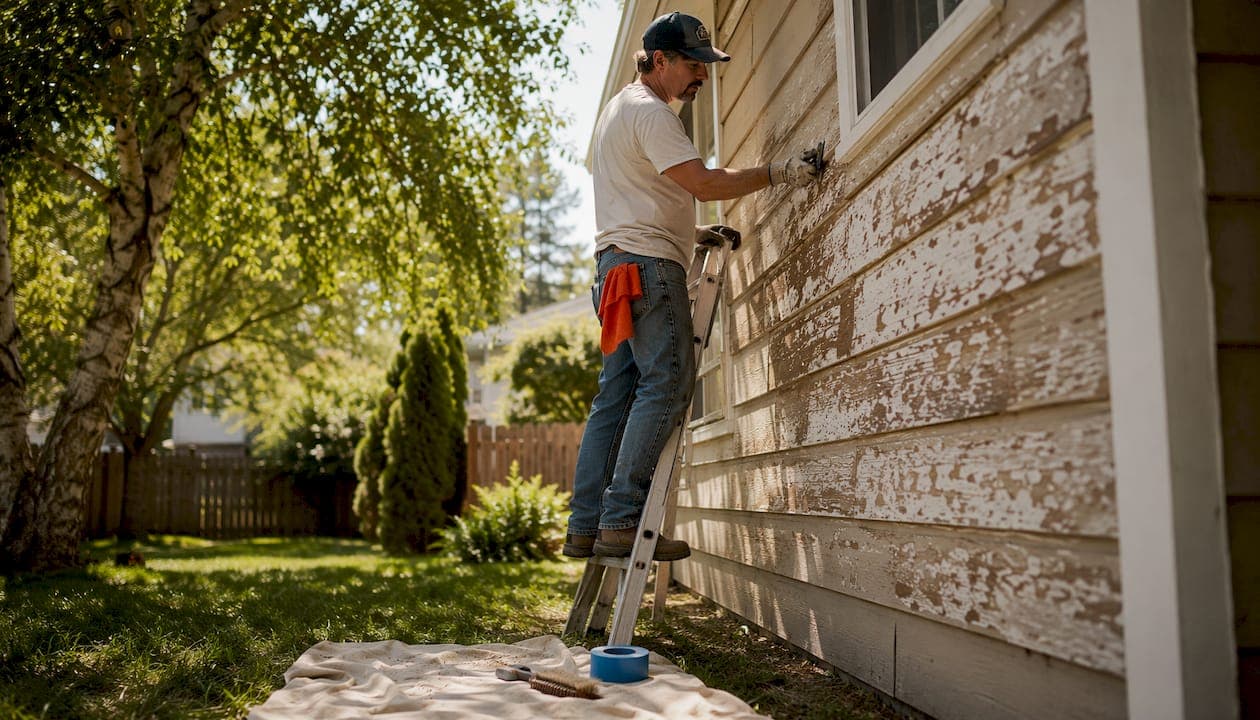
Paint is your home's primary protective skin. When specified and applied correctly, it blocks moisture, resists UV radiation, buffers thermal stress, and slows the decay of every material it covers. The role of paint in home protection goes far beyond color: a well-chosen, properly applied coating system is one of the most cost-effective ways to preserve your home's structure and avoid expensive repairs down the road.
Here's what a quality paint system does for your home:
- Moisture barrier: Seals porous wood, stucco, and masonry against water intrusion that causes rot, mold, and structural damage
- UV resistance: Reflects and absorbs solar radiation to prevent surface degradation and color breakdown
- Thermal buffering: Flexible coatings expand and contract with building materials, preventing cracks that let water in
- Corrosion control: Shields metal elements from oxygen and moisture, the two drivers of rust
- Biological growth prevention: Mildewcide additives and breathable formulations resist mold, algae, and mildew on vulnerable surfaces
The most important homeowner action? Don't wait for visible failure. By the time paint is peeling or heavily faded, the protective film has already failed and substrate damage may be underway. Inspect annually, maintain proactively, and prioritize surface preparation and correct product selection every time.
Table of Contents
- How paint actually protects your home
- What's inside a protective paint system
- Substrate-specific guidance: what works on wood, stucco, metal, and more
- Lifespan, failure signs, and what it costs to maintain protection
- How to choose the right paint system or contractor
- Industry evidence and standards that back these claims
- Key Takeaways
- What most homeowners get wrong about paint
- Trupainting LLC protects Central Florida homes the right way
- Useful sources for further reading
How paint actually protects your home
Paint protects through four distinct physical and chemical mechanisms. Understanding them helps you make smarter decisions about product selection, maintenance timing, and contractor conversations.
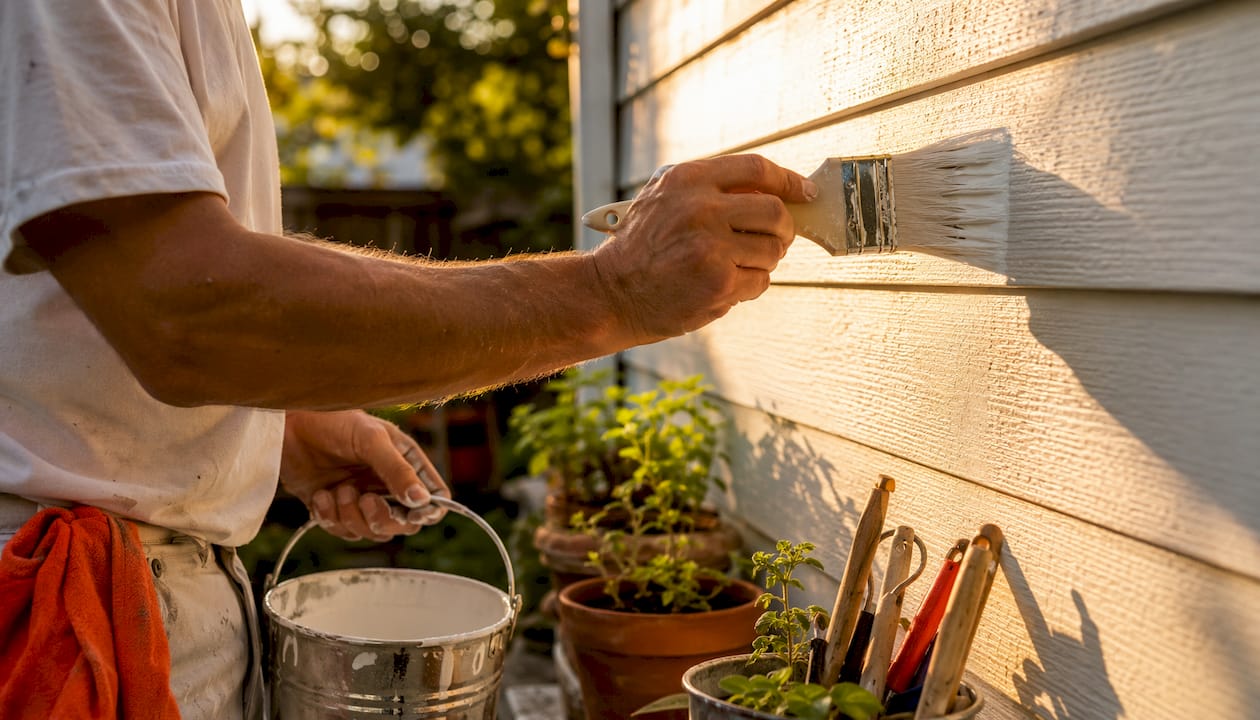
Moisture control is the most critical function. A film-forming binder, combined with a properly applied primer, seals porous materials and creates a continuous barrier that directs water away from the substrate. The National Park Service's protective coatings guidance is clear: professional preparation, including repairing surfaces and sealing gaps, is mandatory for paint to function as a barrier rather than a moisture trap. Skip prep, and you risk sealing moisture in rather than out.
UV resistance depends heavily on pigment selection and binder chemistry. Standard acrylic binders handle moderate UV exposure well, but high-performance fluoropolymer systems, particularly those meeting FGIA/AAMA 2605 specifications, deliver superior long-term color stability and film durability. These systems use fluoropolymer resins engineered to resist the chemical bond breakdown that causes chalking and fading. For Florida homeowners dealing with intense year-round sun, the difference between a standard acrylic and a fluoropolymer-grade system is measurable in years of protection.
Thermal buffering is where elasticity matters most. Building materials expand in heat and contract in cold. A coating that loses flexibility will crack under that cycling, opening entry points for water. Rigid or low-quality coatings fail faster in climates with temperature swings, while elastomeric formulations accommodate movement and maintain a continuous seal. Exterior paint color also plays a thermal role: lighter, reflective exterior colors reduce solar heat gain and help moderate interior temperatures.
Corrosion and biological growth prevention round out the system. On metal surfaces, paint acts as a physical barrier between the substrate and the oxygen-moisture combination that drives rust. On wood and masonry in damp or shaded exposures, mildewcide additives and anti-fungal formulations inhibit mold and algae growth that would otherwise break down the coating and the surface beneath it.
Statistic callout: ISO lifecycle studies show that high-quality coating systems can provide 15–25+ years of corrosion protection on major structures under proper maintenance, with good specification reducing total lifecycle cost versus frequent repainting.
What's inside a protective paint system
Most homeowners shop by brand or color. The smarter approach is to understand what's actually in the can, because formulation determines performance.
Every protective paint contains four core components:
- Binders hold the film together and determine flexibility, adhesion, and durability. Acrylic (latex) binders dominate residential use for good reason: they're flexible, breathable, and UV-stable. Alkyd binders offer harder films and excellent adhesion on bare wood but are less flexible and less moisture-resistant over time.
- Pigments provide color and UV absorption. Titanium dioxide is the workhorse for opacity and UV reflectance; specialty pigments in high-performance systems add infrared reflectance for thermal management.
- Additives are where protective performance gets dialed in: UV absorbers, mildewcides, flexibilizers, and anti-corrosion agents are all additive-level decisions.
- Solvents or water carry the formulation and evaporate during curing.
Comparing the main systems:
- Standard acrylic latex: Good all-around choice for most residential exteriors. Flexible, breathable, and easy to apply. Best for moderate climates and surfaces in good condition.
- Elastomeric acrylic: Higher solids content and significantly greater elongation. Bridges hairline cracks in stucco and masonry. The right call for older surfaces with minor cracking or high-humidity exposures.
- Alkyd: Still preferred by some professionals for bare wood trim and surfaces requiring maximum adhesion. Less flexible than acrylic over time; not ideal as a standalone exterior system in humid climates.
- Fluoropolymer (AAMA/FGIA 2605-class): The top tier for UV resistance and color stability. Primarily specified for architectural metal and high-performance commercial applications, but increasingly available for residential use where long-term performance justifies the cost.
The primer is not optional. A primer-plus-topcoat system outperforms a single-coat approach every time because the primer bonds to the substrate while the topcoat is optimized for weather resistance. Skipping primer to save time or money is one of the most common mistakes that leads to premature paint failure.
Pro Tip: Match your binder and primer to the substrate and exposure, not to the brand name on the label. The Paint Contractor Association consistently emphasizes that substrate-specific specification outperforms brand loyalty when it comes to long-term protection.
Substrate-specific guidance: what works on wood, stucco, metal, and more
The right coating for one surface can be the wrong coating for another. Here's what actually matters by substrate.
Wood
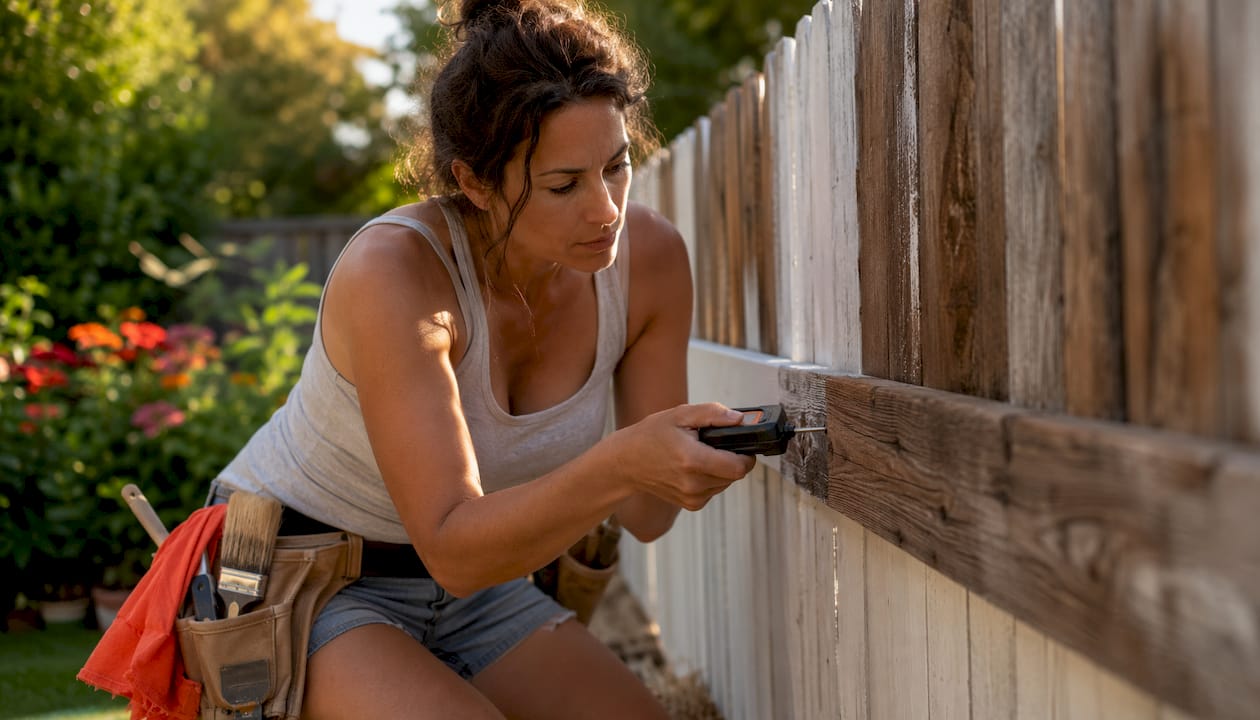
Wood is the most demanding substrate because it moves with moisture and temperature. Seal the end grain first, since that's where water enters fastest. Use an oil-based or shellac-based primer on bare wood before applying a flexible acrylic topcoat. Pay extra attention to rot-prone details: trim, sills, fascia boards, and any horizontal surface that holds water. Never paint over soft or punky wood; replace it first.
Stucco and masonry
These surfaces need to breathe. A non-breathable waterproof membrane traps moisture vapor inside the wall, which leads to blistering and spalling. For stucco with hairline cracks, an elastomeric acrylic is the right call: it bridges minor cracks while remaining vapor-permeable. On masonry, avoid overpainting without removing chalky or failing coatings first, and always use a masonry-specific primer that bonds to alkaline surfaces.
Fiber cement and engineered siding
Fiber cement is factory-primed but that primer is a starting point, not a finish system. Reprime any cut edges immediately, since exposed fiber cement absorbs moisture at the cut. Use a 100% acrylic topcoat and avoid trapping moisture in joints by keeping caulk lines continuous and flexible. Check manufacturer specs before painting: some fiber cement warranties require specific primer and topcoat products.
Metal
Rust-inhibiting primer is non-negotiable on ferrous metals. Zinc-rich primers provide galvanic protection, meaning the zinc sacrifices itself to protect the steel beneath. In coastal or high-humidity climates like Central Florida, apply a two-coat system: rust-inhibiting primer plus a durable acrylic or alkyd topcoat. Inspect metal railings, gutters, and fixtures annually for chips or scratches, since even a small breach in the coating is enough for corrosion to start.
Lifespan, failure signs, and what it costs to maintain protection
Signs your paint system is failing
Catch these early and a targeted touch-up may be all you need. Wait too long and you're looking at full prep and repaint, plus possible substrate repair:
- Cracking or checking: Loss of elasticity; thermal cycling has exceeded the coating's flexibility
- Chalking: UV degradation of the binder; surface feels powdery when rubbed
- Peeling or flaking: Adhesion failure, often from moisture beneath the film or inadequate prep
- Blistering: Moisture vapor pushing through from behind; common on improperly primed surfaces
- Mold or algae staining: Biological growth breaking down the coating surface
- Rust tracks: Corrosion undercutting the coating on metal elements
Typical service-life ranges
| Substrate | System quality | Expected lifespan |
|---|---|---|
| Wood siding | Standard acrylic, good prep | 5 years |
| Wood siding | Premium acrylic, full prep | 10–12 years |
| Stucco | Elastomeric, full prep | 15 years |
| Fiber cement | Premium acrylic, manufacturer spec | 15 years |
| Metal (railings, trim) | Zinc primer + acrylic topcoat | — |
Prep quality, product grade, and regional exposure are the three variables that move these numbers most. A premium product applied over poor prep will underperform a mid-grade product applied over thorough prep every time, per practitioner consensus from the PCA.
Maintenance actions that extend protection
- Annual inspection: Walk the perimeter and check for cracks, peeling, staining, and failed caulk joints
- Gentle pressure washing: Removes biological growth and dirt that accelerate coating breakdown; use low pressure on painted wood
- Recaulking joints: Reseal window frames, door frames, and siding joints before they open to water intrusion
- Targeted touch-ups: Address chips and small failures immediately; don't let them grow into full repaint territory
How to choose the right paint system or contractor
Questions to ask every contractor before you hire
- What specific products are you specifying, and why are they right for my substrate and climate?
- What does your surface preparation include? Will you repair damaged areas, sand, prime, and recaulk?
- Do you have experience with my specific substrate (stucco, fiber cement, wood siding)?
- Can you provide a written prep plan and a timeline before work starts?
- What does your warranty cover, and what does it exclude?
- Can you share references or photos from similar projects in this climate?
Red flags to watch for
- "One-coat" claims for full weatherproofing on any exterior surface
- No written prep plan or scope of work before signing
- A bid significantly lower than others without a clear explanation of what's excluded
- Vague warranty language with no defined scope or exclusions
Understanding warranties
A materials-and-labor warranty typically covers adhesion failure, peeling, and blistering within a defined period when the contractor followed the manufacturer's application specs. It does not cover normal color fade, damage from impact, or failure caused by substrate movement the coating wasn't specified to handle. Always ask for the warranty in writing and confirm it covers both materials and labor, not just the paint product itself.
Pro Tip: Request a low-maintenance exterior paint specification in writing. A contractor who can name the product, its dry film thickness target, and the primer system is one who understands protection, not just color.
Industry evidence and standards that back these claims
The protective claims in this guide aren't marketing language. They're grounded in measurable industry standards and lifecycle data.
FGIA/AAMA 2605 is the benchmark for high-performance architectural coatings. Systems meeting this standard, typically fluoropolymer-based, must pass rigorous testing for UV resistance, color retention, chalk resistance, and film integrity over extended outdoor exposure. Specifying a 2605-level system on metal substrates or high-UV applications is the clearest way to document performance expectations with your contractor.
ISO lifecycle data supports the long-term economics of quality coatings. High-quality systems can provide 15–25+ years of corrosion protection on major structures, and good specification reduces total lifecycle cost versus frequent repainting. For residential homeowners, the principle translates directly: a well-specified system costs more upfront and far less over a decade.
The National Park Service's protective coatings guidance reinforces the preparation-first principle. Their standards for historic structures, where substrate preservation is paramount, align with best residential practice: proper surface prep is the dominant factor in coating longevity, not product brand.
Statistic callout: ISO lifecycle studies confirm that properly maintained, high-quality coating systems deliver 15–25+ years of corrosion protection on steel structures, with total lifecycle costs significantly lower than systems that require frequent repainting due to poor specification or prep.
Key Takeaways
Paint is your home's first line of defense against moisture, UV, thermal stress, and corrosion, and its effectiveness depends almost entirely on preparation, product match, and maintenance.
| Point | Details |
|---|---|
| Preparation outweighs brand | Surface prep quality determines longevity more than any product choice alone. |
| Match coating to substrate | Wood, stucco, fiber cement, and metal each need substrate-specific primers and topcoats. |
| Inspect and act early | Visible peeling or chalking means the protective film has already failed; annual checks prevent that. |
| Quality systems last longer | High-quality exterior systems typically last 8–15 years depending on substrate and prep. |
| Trupainting LLC | Trupainting LLC's three-tier packages match the right protection system to your home's substrate and exposure. |
What most homeowners get wrong about paint
Here's a perspective worth sitting with: most homeowners treat paint as a cosmetic decision and a structural one only when something goes visibly wrong. That sequence is backwards, and it's expensive.
The conventional wisdom says repaint when it looks bad. The reality is that by the time paint looks bad, the substrate beneath it has often already absorbed moisture, begun to soften, or started to crack. You're no longer just buying a paint job at that point. You're buying a paint job plus wood repair, plus possibly caulk replacement, plus primer work on compromised surfaces. The cost difference between proactive repainting and reactive repainting is real.
What also gets underestimated is how much the specification conversation matters. Homeowners spend hours choosing a color and five minutes on the product. But the binder chemistry, the primer system, and the dry film thickness are what determine whether that color still looks good and still protects in year eight or year twelve. A contractor who can't tell you the product name, the primer they're using, and why it's right for your substrate is a contractor who hasn't thought past the color chip.
The other thing worth saying plainly: paint as home protection is not a luxury tier. It's the baseline. Every year you delay a needed repaint, you're trading a predictable paint cost for an unpredictable repair cost. That's not a trade most homeowners would make knowingly.
Trupainting LLC protects Central Florida homes the right way
Durable exterior protection starts with the right system, not just the right color. Trupainting LLC serves Lake County and Central Florida homeowners with three-tier residential exterior packages designed around your home's specific substrate, exposure, and budget. Our entry-level package covers thorough prep and a premium acrylic system. Our mid-tier adds advanced primers and elastomeric options for stucco and older surfaces. Our preservation-focused top tier includes high-performance topcoats and full substrate repair, built for homeowners who want the longest possible service life.
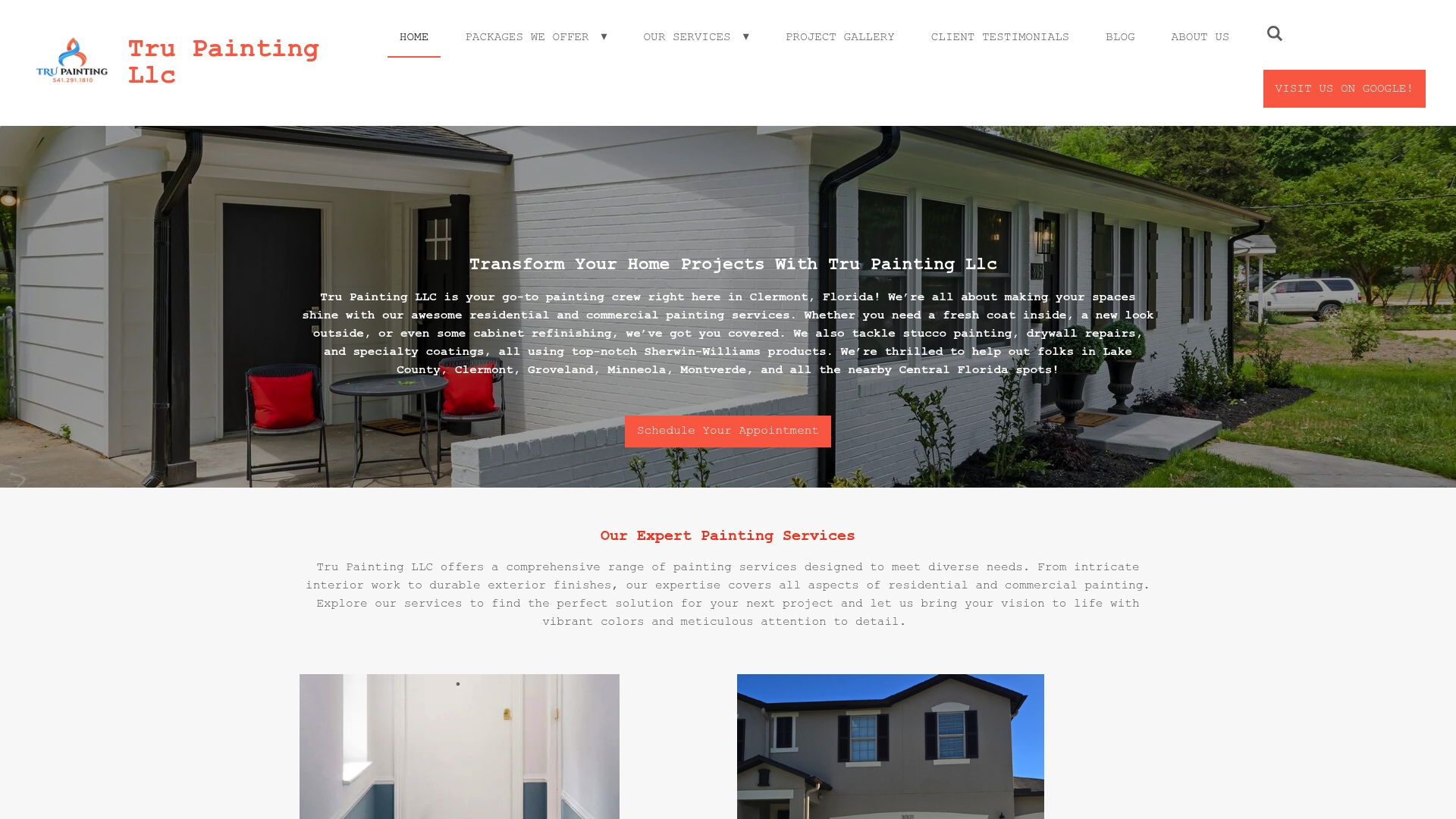
Every project starts with a site inspection and a written prep plan so you know exactly what's being done and why. No vague bids, no one-coat shortcuts. If your home is showing signs of chalking, cracking, or peeling, or if it's simply been more than seven years since the last full exterior paint, now is the right time to get ahead of it.
Request a free estimate for your home's exterior protection, or explore our residential interior services for moisture-resistant interior finishes in kitchens, bathrooms, and high-use spaces.
Useful sources for further reading
- FGIA / AAMA 2605 standard: The benchmark specification for high-performance architectural coatings; use this when discussing UV resistance and fluoropolymer system requirements with a contractor.
- ISO 12944 / lifecycle coating guidance: International standard for corrosion protection of steel structures; supports lifecycle cost arguments for quality specification.
- National Park Service — protective coatings: Authoritative guidance on preparation standards and moisture barrier principles for building exteriors.
- Paint Contractor Association (PCA): Contractor best practices, substrate-specific guidance, and preparation standards for residential and commercial projects.
- Trupainting LLC — exterior paint preparation best practices: Step-by-step prep checklist from Trupainting LLC's own team, covering inspection through topcoat application.
- Yearly exterior paint check guide: Seasonal inspection cadence and what to look for at each stage of a coating's life.
- Exterior cleaning and home value: How routine pressure washing and cleaning extend paint protection and reduce long-term maintenance costs.