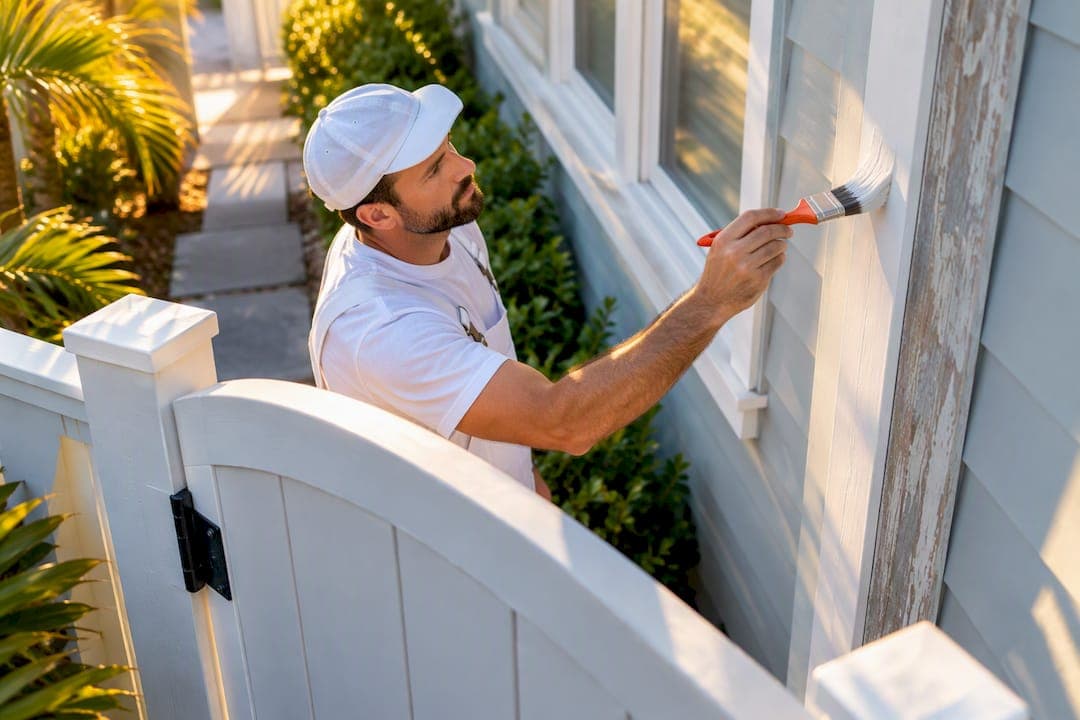
Most Florida homes need an exterior repaint every 5 to 7 years, though coastal homes facing salt spray often need it closer to the 5-year mark. Interior paint lasts much longer, typically 8 to 12 years depending on the room, but bathrooms and kitchens wear out faster. The biggest factor in either timeline isn't the paint can label. It's how well the surface was prepped and what quality of coating went on.
TL;DR:
- Coastal homes in Florida should expect exterior repainting every 4 to 5 years due to salt spray and wind exposure, compared to 5 to 7 years inland.
- Interior paint for high-traffic or moisture-prone rooms like bathrooms and kitchens may need repainting every 3 to 6 years, while other rooms can last up to 12 years.
- Proper surface preparation, including power washing and priming, can extend paint life significantly, especially when combined with high-quality coatings tailored to Florida’s climate.
- Signs of needed repainting include chalk residue, peeling, cracking, or water damage, which indicate deeper issues beyond simple aging.
- Painting during dry, cool seasons with thorough prep and suitable products can maximize paint durability and delay the need for future repainting.
Table of Contents
- Recommended Repaint Timelines: Exterior by Material and Exposure
- Interior Repaint Timelines by Room and Use
- What in Florida Shortens Paint Life: Climate and Exposure Factors
- Signs Your Paint Needs Repainting Now
- Prep and Maintenance That Extend Repaint Intervals
- Stucco and Moisture: An Evidence-Based Deep Dive
- Choosing Paints and Coatings for Florida
- When to Schedule Repaint Work in Florida
- Contractor Perspective: What Tru Painting Recommends for Lake County and Central Florida Homes
- Tru Painting Services for Scheduling, Prep, and Durable Finishes
- Sources
- FAQ
Recommended Repaint Timelines: Exterior by Material and Exposure
Florida's life-expectancy guidance from InterNACHI puts exterior paint at around 5 years statewide, with sun, salt, and humidity as the main reasons it doesn't stretch further. That baseline shifts depending on what's under the paint and how exposed the wall is to weather.

Stucco holds up well when it was mixed and applied correctly, often stretching past the 5-year mark inland. Coastal stucco facing salt spray and wind-driven rain tends to need attention sooner, sometimes every 4 to 5 years. Wood siding and plywood trim absorb moisture more readily than stucco, so they call for closer monitoring and more frequent recoating, especially on the sides that catch afternoon sun. Fiber cement and painted concrete tend to hold paint longer than wood, often reaching 7 years or more when prep was thorough, though poor drainage around the foundation can shorten that. Metal surfaces like railings and gutters vary widely: bare metal corrodes fast without the right primer, while properly coated metal can go years without touching up.
Trim, fascia, and exterior doors wear out faster than the main walls no matter the material:
- South and west-facing trim takes the heaviest UV dose and fades or chalks first.
- Door thresholds and window sills collect standing water after storms, accelerating peeling.
- Fascia boards near roof edges trap heat and moisture, shortening their paint life compared to open wall sections.
Interior Repaint Timelines by Room and Use
Interior paint in Florida homes can last 8 to 12 years under normal conditions, but that range narrows sharply in rooms with heat, moisture, or heavy use.
- Bathrooms and laundry rooms deal with constant humidity swings, so plan on repainting every 3 to 5 years, sooner if you see mildew spots near vents or tubs.
- Kitchens collect grease and steam near the stove and sink, which means touch-ups every 4 to 6 years even if the rest of the room looks fine.
- Living rooms and bedrooms see the least wear and can often go the full 8 to 12 years unless there's heavy foot traffic or pets scratching at walls.
- Trim and doors throughout the house usually need attention before the walls do, so a targeted repaint of just the trim can buy a few more years before a full room job is necessary.
What in Florida Shortens Paint Life: Climate and Exposure Factors
Florida's climate works against paint in ways that homeowners further north rarely deal with. Understanding the mechanics helps you decide where to spend maintenance dollars first.
- Intense UV exposure breaks down the polymers in paint film over time, which shows up as chalking, a powdery residue that rubs off on your hand.
- High humidity and morning dew slow drying and curing, which can trap moisture under a fresh coat and weaken adhesion before the paint fully sets, a concern Consumer Reports flags when recommending dry conditions and manufacturer-specified temperature ranges for exterior work.
- Wind-driven rain during storms and salt spray near the coast both add abrasion and corrosion risk, wearing down films faster than calm, dry climates would.
Homes closer to the coast face all three factors at once, which is why coastal repaint intervals run shorter than inland averages.
Signs Your Paint Needs Repainting Now
Before scheduling a full job, a quick inspection tells you whether you're dealing with cosmetic wear or a deeper problem.
- Rub a dark cloth across the exterior wall. Heavy chalk residue means the paint film has broken down and lost its protective seal.
- Peeling, cracking, or blistering paint is an immediate sign of failure, often pointing to moisture trapped underneath rather than simple age.
- Mildew spots, dark streaks, or crumbling caulk around windows and doors usually mean water is getting in somewhere it shouldn't, and that needs fixing before repainting covers it up.
Pro Tip: Run the chalk test on a few different walls, not just one. A south-facing wall can look worn while a shaded north wall still has years left.
Prep and Maintenance That Extend Repaint Intervals
Paint quality matters, but prep work is what actually determines how many years you get out of a job. Skipping steps here is the fastest way to shorten a repaint cycle.
- Power washing removes chalk, dirt, and mildew before any new coat goes on, and the surface needs to dry fully before painting starts.
- Priming bare or repaired areas keeps new paint from soaking in unevenly, and checking the manufacturer's product data sheet confirms the primer is rated for your specific substrate, whether that's stucco, fiber cement, or bare wood.
- Caulk and sealant around windows, doors, and trim wear out faster than paint itself, and InterNACHI's guidance notes exterior caulking may need replacing every 1 to 3 years, well before the paint does.
Homeowners looking for a broader maintenance rhythm can check a home maintenance checklist that covers these tasks alongside other seasonal upkeep. For a deeper walkthrough of prep steps specific to exteriors, see our guide on exterior paint preparation best practices.
Stucco and Moisture: An Evidence-Based Deep Dive
Stucco gets blamed for a lot of leaks in Florida homes, but University of Florida research found that stucco itself often isn't the culprit. Performance depends heavily on composition, sand quality, and how it was applied, not the material category alone.
Stucco performance depends on composition, application, and maintenance; leaks often blamed on stucco were actually caused by installation or material quality variables.
That distinction matters for scheduling. A poorly mixed or poorly applied stucco wall can fail well before its expected repaint window, while a well-installed one can outlast it. Before committing to a full repaint, inspect the substrate for cracks, soft spots, or old repairs that were never sealed properly. Our stucco painting process guide walks through the spray-and-back-roll method that helps new coatings bond correctly to stucco surfaces.
Choosing Paints and Coatings for Florida
Marketing claims on a paint can are a starting point, not the whole story. The manufacturer's product data sheet tells you what actually matters: dry times, recoat windows, approved substrates, and VOC limits that affect how the coating performs in Florida's heat and humidity.
- Look for mildew-resistant and UV-stable formulations built for exterior use in humid climates.
- Check the recoat window carefully. Applying a second coat too soon or too late can weaken adhesion even with a premium product.
- Higher-quality coatings often cost more upfront but need fewer touch-ups over time, which usually makes them cheaper across a full repaint cycle.
For more on selecting exterior products suited to local conditions, see our post on choosing low maintenance exterior paint.
When to Schedule Repaint Work in Florida
Late spring and early fall tend to offer the driest stretches for exterior painting, avoiding the heaviest summer humidity and afternoon storms. Morning starts work better than afternoons, since dew burns off early and storm clouds build later in the day. Scheduling around hurricane season, roughly June through November, also gives contractors room to work around delays without rushing a coat that needs time to cure.

Contractor Perspective: What Tru Painting Recommends for Lake County and Central Florida Homes
We check substrate condition, caulk age, and sun exposure before quoting any repaint. The most common local failure we see isn't old paint, it's skipped prep on stucco repairs and window seals.
— Kyle
Tru Painting Services for Scheduling, Prep, and Durable Finishes
Professional prep and premium coatings are what stretch a repaint interval from the low end of the range to the high end, and that's the gap Tru Painting is built to close for homes across Lake County and Central Florida.

Our three service tiers give you a straightforward way to match your budget to your home's needs:
- Cosmetic Refresh covers a straightforward repaint for homes that just need updated color and a clean surface.
- Enhanced Prep & Durability adds deeper surface preparation for walls showing early wear or minor damage.
- Maximum Prep & Protection is built for coastal exposure or older substrates that need the most thorough repair before painting.
Request a free estimate through our residential exterior painting page and we'll walk your property before recommending a tier.
Sources
- InterNACHI: Florida life-expectancy chart
- UF news: Stucco may have been wrongly blamed for some leaky homes
- Florida Paints product data sheet (PDS)
- Consumer Reports: Ideal outdoor temperature range for exterior paint
FAQ
How often should a house in Florida be painted?
Most Florida homes need exterior repainting every 5 to 7 years, with coastal homes often closer to 5 years due to salt spray and sun exposure. Interior paint typically lasts 8 to 12 years, though bathrooms and kitchens wear out sooner.
What color house sells the fastest?
Neutral exterior colors like warm grays, soft whites, and light beiges tend to appeal to the widest range of buyers in Florida markets. Bold or highly personal color choices can narrow buyer interest, even when the paint job itself is high quality.
What is the hourly rate for a painter in Florida?
Painter rates in Florida vary by region, project scope, and whether prep work is included, and pricing is usually quoted per job rather than by the hour. For a detailed cost breakdown, see our house painting cost guide for Florida homeowners.
What's the average cost to paint a 2,000 square foot house?
Costs depend on the level of prep needed, paint quality, and whether it's interior or exterior work, so there's no single flat rate that applies to every home. Our Florida painting cost guide breaks down the main factors that shift a project's total price.